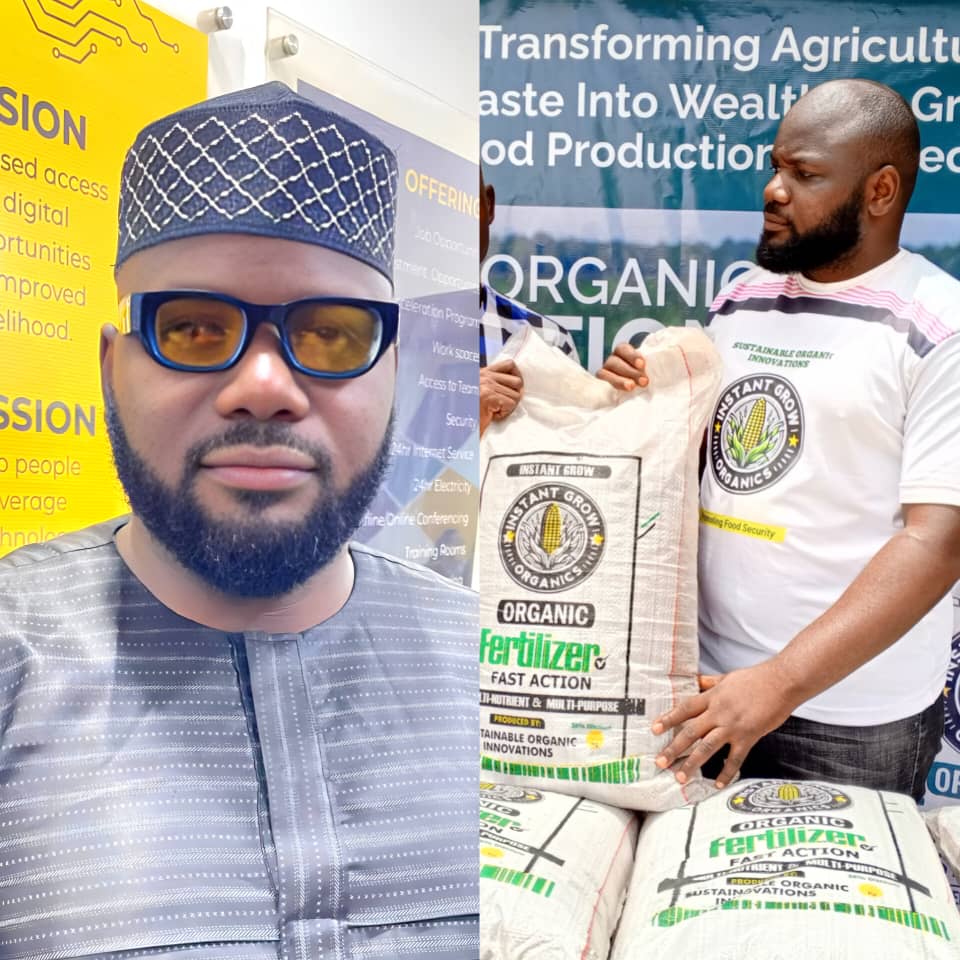
Meet Samuel Ateh Stephen: Leading Nigeria’s Agricultural Revolution with Instant Grow Organic Fertilize


At a time when Nigeria faces soaring food prices, dependence on imports, and a growing hunger crisis, a new generation of innovators is stepping forward to rewrite the story. Among them is Samuel Ateh Stephen, a visionary entrepreneur from Kaduna State who is championing sustainable farming through his groundbreaking product — Instant Grow Organic Fertilizer.

As the Co-founder and CEO of Sustainable Organic Innovations, a pioneering agri-tech startup based in Kaduna, Samuel is not simply selling fertilizer; he is offering a solution to Nigeria’s food insecurity. Remarkably, within just one year of existence, the startup has made measurable impact across farming communities, proving that bold ideas can deliver real change in a short time.
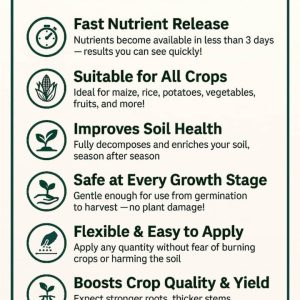
Instant Grow, Instant Impact

Unlike conventional fertilizers that degrade the soil over time, Instant Grow Organics is built on nature’s wisdom. It enriches the land, boosts harvests, and remains affordable for smallholder farmers who form the backbone of Nigeria’s food system. Already, its impact has been felt across several local government areas of Kaduna, including Lere, Igabi, Chikun, Kajuru, Kachia, and Zangon Kataf — empowering farmers, improving yields, and restoring confidence in sustainable farming.
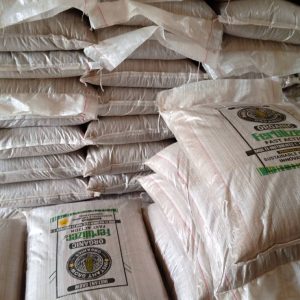
More Than Farming: A Movement

From Kaduna, Samuel is building a model that resonates across Nigeria. By transforming agricultural waste into fertilizer, he is creating jobs, reducing environmental pollution, and inspiring young Nigerians to see farming not as drudgery but as opportunity. His work aligns with global sustainability goals while addressing Nigeria’s most pressing challenges at home.

A Vision for Nigeria’s Future

If widely adopted, Instant Grow Organics could help Nigeria cut down on costly food imports, restore degraded soils, and even position the nation as a regional leader in sustainable agriculture. For Samuel, this is only the beginning of a movement — one that insists Nigeria can feed itself with homegrown ideas and homegrown solutions.

In a country searching for pathways to prosperity, innovators like Samuel Ateh Stephen remind us that the soil beneath our feet may very well hold the key to a secure and abundant future.
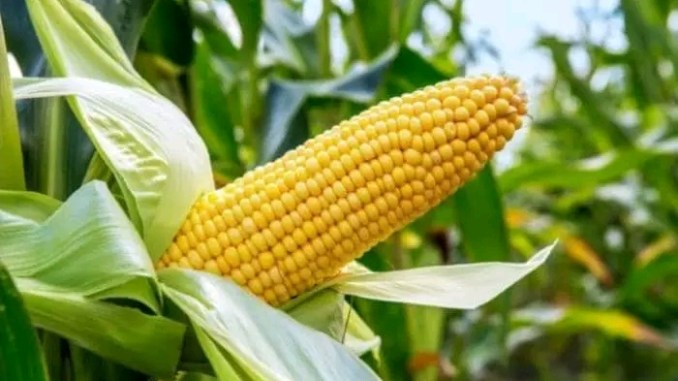
Effects Of Insecurity On Agro Productivity In Middle Belt Nigeria

By: Atabo Solomon Daniel

Agriculture has continued to be the primary source of income for the majority of rural communities in Nigeria.

It employs more than 60% of the African population and accounts for over 30% of the continent’s Gross Domestic Product (Kandlinkar and Risbey 2000).

The rate of insecurity in the Middle Belt part of the country has caused shortage in rice and other grains as a result of low production in many states that relays on farming as their biggest household income generator.

Prominent grain-producing states are currently being plundered by armed bandits, terrorists and marauding herders, preventing farmers from accessing their farms.

The number one maize-producing state in the country – Kaduna, and its counterpart, Niger, are enmeshed in activities of terrorists and bandits, and intensive farming in the states, to say the least, is practically impossible.

Middle Belt Nigeria is blessed with good soil and it boast of producing various agro products like sweet potato, ginger, maize and many more but yet insecurity has made Agro production low in many states, because farmers cannot access their farm freely without fear.

Nigeria government needs to focus more on ending the issue of banditary, kidnappings and other non state actor, for the growth and development of the country’s agro sector.

Nigeria needs to invest more, in Nigeria’s security agencies, to tackle farmers and headers clash, boko Haram, banditry and others, that have made the economic growth of the country slow and vulnerable.

According to World Food Programme (WF.P),
8.4 million people are food insecure in northeast Nigeria, 70% of people nationwide live below the poverty line. Over three million people are internally displaced in Borno, Yobe and Adamawa states

With over 200 million people, Nigeria is the most populated country in Africa and the seventh in the world. The annual growth rate of the population is approximately 2.7 per cent, and more than half are under 30 years of age.

Nigeria is the tenth-largest producer of crude oil in the world and achieved lower-middle-income status in 2014.

However, conflict in its northeast region has displaced over 3 million people and left another 4.1 million food insecure in Borno, Adamawa and Yobe states. Three million of them are in Borno State, the epicentre of insurgency.

The country’s human-development indicators are poor. Persistent poverty affects more than half the population, most severely in the northeast and northwest regions. In addition, Nigeria is also subject to periodic droughts and floods. This has had an adverse impact on agricultural output and increased the vulnerability of populations, especially in rural areas.

Insecurity has resulted to high cost of major crops in the north. Agro products like groundnuts, beans, gums, kolanuts and maize, sorghum and millet from which flours are made for bread and fry bread are not affordable anymore.

SOURCE: Blueprint NG

Hippopotamus Incursions Plague Gombe Farmers with Mounting Losses

Timothy Mamman-Gawas had anticipated a prosperous rice harvest this year. However, as he ventured to his farm at dusk, he was confronted with a heart-wrenching scene: a group of hippos had infiltrated his land and were devouring his precious crops.

This isn’t the first instance of hippos besieging Mamman-Gawas’s farm. According to PUNCH, these creatures have been an ongoing menace in the Difa community, inflicting substantial losses upon farmers.

The incursion of hippos in Difa can be traced back to their displacement from their natural habitat, largely due to deforestation and human encroachment.

In 1999, Mamman-Gawas was among the first victims of a hippo assault. That year, he lost his entire crop and has been grappling to make a living ever since.

Over the years, the hippopotamus population in the Difa community has surged, and their aggression has escalated. In 2020, Mamman-Gawas resorted to a four-month vigil on his farm to deter these hippos, but he could only salvage 54 bags of rice, a mere fraction of his expected yield.

Other farmers in the community have faced even more dire circumstances. Some have seen their entire harvests decimated by hippo attacks, while others have suffered injuries or even lost their lives to these formidable creatures.

Gombe State’s government has taken certain measures to address the hippopotamus issue, but these efforts have yielded limited success. Farmers are now rallying for more comprehensive solutions, including the erection of a protective barrier around the community to thwart hippo incursions.

Meanwhile, farmers like Mamman-Gawas are caught in a relentless struggle to make ends meet. Their livelihoods hang in the balance, and their families grapple with hunger. The hippopotamus onslaught poses an existential threat to the community, and it’s imperative that the government takes swift action to safeguard the farmers.

It’s worth noting that the hippopotamus, Africa’s largest and deadliest land mammal, has claimed more human lives than any other animal on the continent.