Hospital Siege: How EFCC Operation Caused Deaths, Missing Patients at UUTH – Part I


By Ndifreke Jacob and Ibanga Isine


Harvests of beatings and humiliation

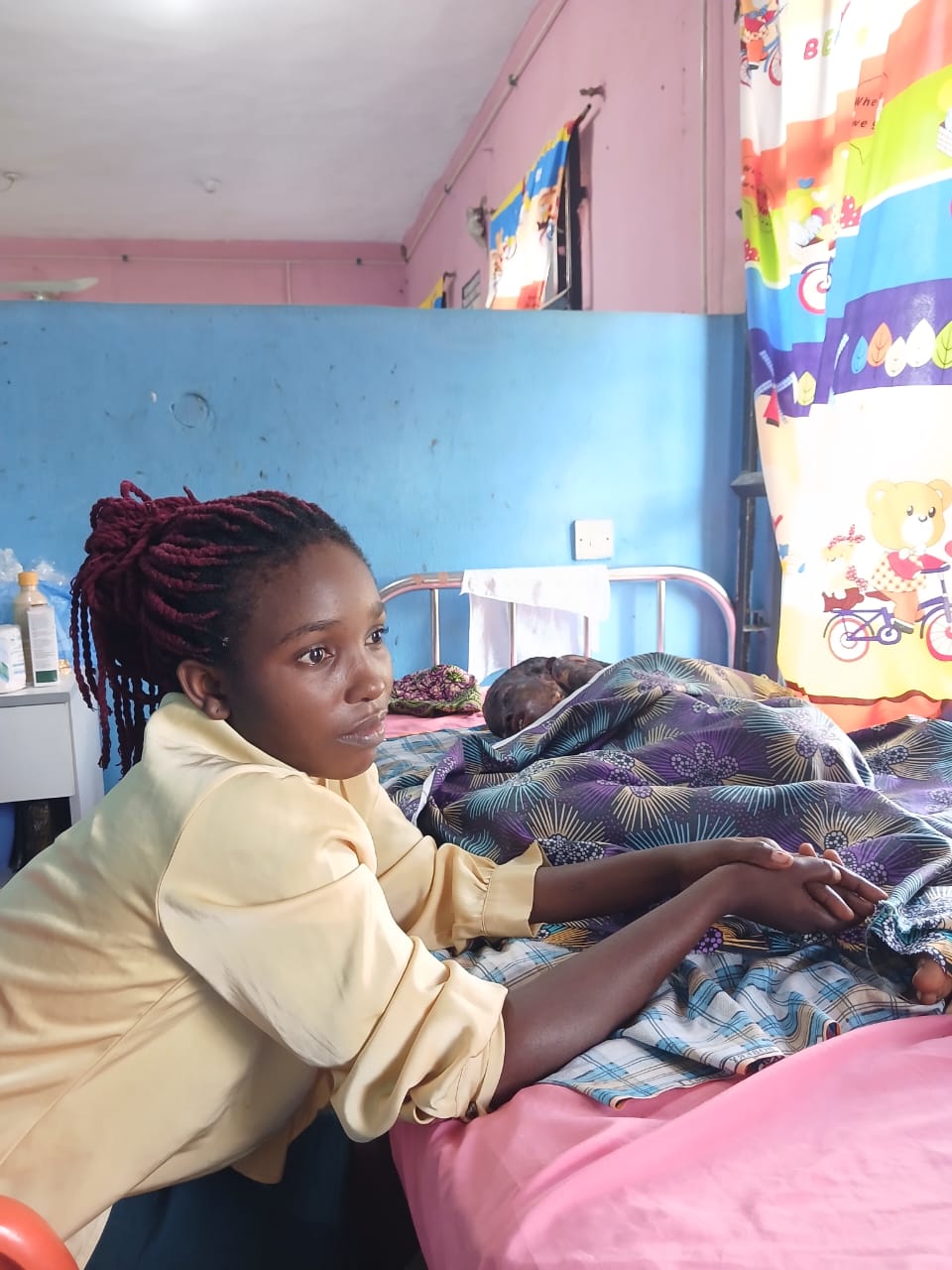
Investigation by GuardPost shows that no fewer than 15 patients may have lost their lives following the invasion of the University of Uyo Teaching Hospital (UUTH), Akwa Ibom State, by operatives of the Economic and Financial Crimes Commission (EFCC) on May 12.

However, the fate of several other patients who reportedly fled the facility against medical advice remains uncertain.

According to two top hospital officials who spoke with this publication on condition of anonymity, more than 15 deaths occurred during the crisis.

They noted that the total number may be higher, adding that the withdrawal of services by doctors and nurses made it impossible to record fatalities, and that relatives allegedly removed some remains hurriedly to avoid payment of hospital bills.

As heavy gunshots and teargas exploded that morning, GuardPost learnt that frightened relatives held on to patients fighting for their lives at the Accident and Emergency Unit of the hospital and at the Intensive Care Unit, critically ill patients were thrown into absolute confusion.

As the confrontation by the rampaging operatives escalated, the hospital’s generators were switched off, and union leaders ordered their members to withdraw services in protest.

The consequences were immediate and potentially devastating. Patients on life support machines, the critically injured in the Accident and Emergency Unit, and frail newborns in incubators were left in danger.

Immediately, doctors disappeared from consulting rooms. Nurses abandoned their duty posts. Laboratories were shut down. Theatres were abandoned. Classrooms and payment points were deserted.

Many patients who could walk took to their heels. Those who were unable to run were left behind in the chaos that followed.

Outside the administrative block, angry staff locked the gates against the heavily armed masked men who had desecrated the peaceful atmosphere of what was supposed to be a sanctuary of healing.

Many staff members were assaulted, injured, humiliated, and arrested in what the Executive Director of Policy Alert, Tijah Bolton, described as an “ill-conceived operation that should never have happened.”

You can also read:

Eyo Ekpe, a well-known Professor of Cardiothoracic Surgery and Deputy Chairman of the hospital’s Medical Advisory Committee, was among those affected.

The fact that a renowned surgeon and senior hospital administrator was dragged from his seat and viciously beaten, while staff members who tried to record the incident were assaulted and had their phones smashed, showed the level of impunity demonstrated during the operation.

It also raises serious concerns about the apparent disrespect for the sanctity of human life, the safety of healthcare workers, and the inviolability of a medical facility devoted to saving lives.

By the time the trigger-happy operatives withdrew after arresting six staff they may not prosecute, the hospital had become a crime scene and a tragedy whose full impact may never be completely known.

Despite an extensive investigation, this publication was unable to determine who ordered the invasion and the reasons behind it.

Many weeks after the troubling incident, it appears that the country has moved on as if nothing unusual happened. The public outcry has subsided, and the situation appears to have disappeared from the media.

The EFCC’s response was a weak apology, which many people saw as lacking genuine remorse for the injuries, humiliation, arrests, and inconveniences caused by the deadly operation.

When the Dead and the Living Ran Away

While viral videos circulating on social media captured terrified staff, patients, and visitors scrambling for safety during the EFCC raid on the hospital, they revealed only a fraction of what witnesses describe as one of the darkest days in the history of the institution.

GuardPost’s investigation shows that at least 15 patients died as a result of the operation. At the same time, dozens more reportedly absconded from the hospital or were taken away by family against medical advice.

Because regular medical services collapsed during the incident and during the two-day strike, the exact number of casualties may never be known.

What happened within the wards after the power source was turned off and essential services were shut down may never be completely known. The whole extent of the pain is likely to emerge only in fragments gathered from the accounts of grieving families, traumatised patients, and worried healthcare workers.

Doctors and nurses who saw the commotion are still attempting to understand what happened. Families are still dealing with the loss and uncertainty that followed. For many, the memories are still raw and painful.

What was once a sanctuary of healing, hope, and life preservation was turned into a scene of terror, confusion, and human suffering. The EFCC created a theatre of war in the heart of a hospital.

Inyene Samuel

Mrs. Inyene Samuel, whose son was receiving treatment at UUTH during the crisis

Inyene Samuel, whose child survived the crisis, said she watched helplessly as many relatives rushed their loved ones out of the hospital.

“So many people died, both the young and the old, and their relatives took them away,” she told GuardPost, with her voice still heavy with emotion.

Another relative, Lizy David Lawson, whose daughter, Precious, is receiving treatment at the Paediatric Surgical Ward, said what happened that day is difficult to understand.

“What they did was completely unnecessary,” she said angrily. “How do you invade a hospital, arrest a doctor, and start firing guns and teargas? How did they expect sick people, especially those in critical condition, to survive such chaos? Many patients died, and others left the hospital that very day.”

For many UUTH staff, it would be difficult to forget what happened on May 12.

One consultant, who spoke under qualified privilege, said the exact scale of the tragedy may never be known because the very people responsible for documenting emergencies were themselves caught in the crisis.

According to him, as the crisis escalated, the number of deaths increased, adding that some patients died from complications caused by the interruption of medical services.

“I heard cries from the wards during the attack,” he recounted. “At that time, I did not fully understand what was going on.”

You can also read:

When he went back hours later to get personal items from his office, the dire situation in the hospital had become clearer.

“I saw patients in distress. I know some of them eventually died, but there was nothing anyone could do at that moment. In a hospital setting, especially in emergency and critical care units, even a brief interruption can have devastating consequences.”

He said the disruption created conditions in which helpless patients were left without the appropriate medical attention they required.

“It is possible that patients under treatment died as a result of complications, the absence of doctors to handle emergencies, and the chaotic situation that left many of them exposed,” he said.

Perhaps the most distressing part of the issue is that there may never be an accurate account of what happened within the teaching hospital.

When asked about the number of patients who died, the consultant and other witnesses interviewed by GuardPost provided similar answers. “There was nobody to document what happened.”

“There was nobody to certify some of the deaths before relatives took their loved ones away. That is what happened,” he added.

You can also read:

Another senior medical staff member who also declined to be named due to reasons of confidentiality said the hospital often reports at least two to three patient fatalities every day.

“We’re talking about a situation in which doctors and nurses were absent from the Intensive Care Unit, Accident and Emergency Unit, and general wards for longer than 48 hours. Those are the areas where the majority of deaths are typically recorded,” the insider said.

Ekanem Eshiet, a specialist in Emergency Medicine and Trauma Care at UUTH, confirmed that some patients in the Intensive Care Unit and the Accident and Emergency Department died during the crisis. However, he did not provide the exact number of casualties.

“Some patients who were in the Intensive Care Unit and the Accident and Emergency wards died, and that is what has not been reported. The impact was both direct and indirect.

“After seeing how a professor of surgery was assaulted, medical professionals decided to withdraw their services. As a result, many patients who depended on continuous medical care were left without guidance on the next steps in their treatment, and some lost their lives.

“Many of the patients had traumatic brain injuries and required constant monitoring and intervention. That was part of the indirect impact.

“The direct impact came when teargas was released within the hospital environment. Some patients with respiratory conditions, including asthma, suffered severe reactions. There were also cases of panic and anxiety attacks,” he said.

Attempts to speak with the hospital’s Chief Medical Director, Prof. Emem Bassey, were unsuccessful. He did not return calls or react to SMS or WhatsApp messages sent to his verified phone number.

Similarly, Dr. Ekem Emmanuel, the Akwa Ibom State Commissioner for Health, and the EFCC spokesperson, Dele Oyewole, did not respond to calls requesting their comments on the incident.

GuardPost learned that hours after the invasion, grieving families started leaving with the remains of their loved ones, frightened patients abandoned treatment, and the hospital built to save lives became an epicentre of confusion and death.

Several weeks later, the questions remain unanswered. What was the number of patients who died? How many people abandoned treatment and never returned? And how much did a law enforcement operation inside one of Nigeria’s busiest tertiary health centres cost the most vulnerable patients? How much did it cost the government in revenue losses?

The answers could potentially be buried in the silence that followed the gunshots, suffocating tear gas, merciless beatings, and arrests of the hospital personnel.

However, this investigation has just begun, and we are determined to dig deeper.


This series is funded by GuardPost Farms as part of its community social responsibility programme in Akwa Ibom State.

Monkeypox Cases in Benue Surge to 20, with Many Treated and Discharged – State Government

The number of confirmed Monkeypox cases in Benue State has escalated to 20, with four new samples testing positive, according to recent reports.

Dr. Asema Msuega, the State Epidemiologist, shared this information with journalists in Makurdi. He revealed that the confirmed cases are concentrated in two local government areas: Makurdi and Gwer West. Meanwhile, suspected cases have been reported across five additional local government areas: Ushongo, Katsina-Ala, Gboko, Makurdi, and Gwer West.

Dr. Msuega also noted that the most recent suspected case is from Gwer East, with samples already dispatched to the laboratory for testing.

He further stated that three previously confirmed cases have been successfully treated and discharged from the isolation center at the Benue State University Teaching Hospital. The fourth confirmed case, identified last week, is currently receiving treatment at the isolation center and is responding positively to the medical intervention.

“Not all cases require hospital isolation; we advise some individuals to self-isolate at home, similar to our approach during the COVID-19 outbreak,” Dr. Msuega explained.

To combat the spread of the disease, the state government is implementing extensive awareness campaigns to educate the public about Monkeypox and promote preventive measures such as handwashing and avoiding unnecessary contact with suspected individuals.

“Early detection and reporting of suspected cases to the nearest health centers—whether primary, secondary, or tertiary—are crucial,” Dr. Msuega emphasized.

Nigeria Records 210 New Cholera Infections, 10 Deaths

Nigeria has recorded 210 new suspected cases of Cholera infections and 10 ‘suspected’ deaths across eight states of the federation from 31 July to 27 August.

The Nigeria Centre for Disease Control (NCDC) disclosed this in its latest monthly situation report on Cholera, covering Epidemiological (EP) weeks 31 to 34.

The latest report shows that the suspected cases and deaths of Cholera in 2023 have decreased by 63 and 67 per cent respectively compared to what was reported at Epidemiological week 34 in 2022.

The report revealed that as of 27 August, Nigeria had recorded 84 suspected deaths and 2,860 suspected cases across 25 states, representing a Case Fatality Ratio (CFR) of 2.9 per cent.

Cumulatively, it shows that six states: Cross River (718 cases), Katsina (302 cases), Bayelsa (265 cases), Ebonyi (227 cases), Niger (136 cases) and Abia (118 cases) account for 62 per cent of the suspected cases in 2023.

Highlights
In the reporting month, the report shows that of the eight states that reported 210 suspected cases, Zamfara State in the North-west topped the infection chart with 190 cases, followed by Kano and Bayelsa with seven and five cases respectively.

Also, Bauchi, Niger and Borno states reported two cases each, followed by Gombe and Adamawa states with a single case each.

NCDC noted that 21 Cholera Rapid Diagnostic Test (RDT) were conducted with nine positive results (Zamfara – 8 and Bayelsa – 1) while 26 stool culture tests were conducted with three positive results.

It added that the national multi-sectoral Cholera TWG continues to monitor response across states.

Cholera
Cholera is an acute intestinal infection caused by the Vibrio cholera bacillus.

The disease spreads through contaminated food and water, reappearing periodically in countries like Nigeria where people are unable to secure access to clean drinking water and ensure adequate sanitation.

It is a preventable and treatable epidemic-prone disease. The number of cholera cases tends to increase with the outset of the rainy season.

The risk of death from cholera is higher when treatment is delayed. It is very important to visit a health facility if anyone has watery diarrhoea and vomiting symptoms.

SOURCE: Premium Times

Organ Harvesting Scandal in Plateau: Former Patients Of Dr Kekere Go For Kidney Checks

In the wake of the shocking revelation about Dr. Noah Kekere’s involvement in organ harvesting in Jos, the capital of Plateau State, some former patients of his are now seeking extensive medical examinations to confirm the integrity of their kidneys. This decision follows the distressing case of Kehinde Kamaru, who discovered that her kidney had allegedly been stolen by Dr. Kekere when she underwent a check-up at the Jos University Teaching Hospital (JUTH).

Dr. Noah Kekere, also known as “Yellow,” had been practicing as a medical doctor for over two decades at the Murna Clinic and Maternity in Yanshanu community, Jos North, Plateau State. Another woman, who wished to remain anonymous, disclosed that she had been a patient at the same facility and was taking steps to visit JUTH to ensure the status of her kidney, as she had undergone a previous operation at that hospital.

Expressing her concerns, she stated, “I was shocked and confused when I heard about the hospital’s involvement in kidney removal cases. I’ve been to that hospital, and now I’m anxious. I’ve made arrangements to investigate to determine if I’m also affected. With these recent revelations, many former patients will need to undergo medical assessments to understand their true health status.”

In the midst of this unfolding situation, the Plateau State Police Command has apprehended two other medical practitioners believed to be connected to Dr. Kekere’s alleged organ harvesting activities. These suspects, along with Dr. Kekere himself, are currently in police custody undergoing investigation. The Plateau State chapter of the Nigerian Medical Association (NMA) has distanced itself from Dr. Kekere, asserting that he is not a registered medical doctor.

The Police Public Relations Officer (PPRO) revealed that the Commissioner of Police in the state would soon assemble a committee of medical experts to conduct an extensive examination of the woman who claimed her vital organ was removed during surgery, aiming to determine the truth regarding the alleged organ tampering.

The PPRO emphasized, “Our investigation is almost concluded, and we have sought the expertise of medical doctors to examine the woman and confirm the status of her kidney. Until this is ascertained by professionals, our investigation remains ongoing. We are also conducting interviews with other doctors employed by Kekere.”

The case began when a businessman, Alhaji Kamal, accused Dr. Kekere of removing one of his wife’s kidneys during surgery in 2018. Despite these troubling developments, the NMA of Plateau State maintains that Dr. Kekere is not a member of their association. The situation surrounding the missing kidney remains unclear, but the focus remains on the well-being of Mrs. Kehinde Kamal, a 45-year-old mother of four, from the Rikkos community in Jos North local government area, whose health has been in jeopardy for the past five years following surgery at Murna Clinic and Maternity.

Food Security: The Lean Season And Implications For 25 Million Citizens

By Daniel Anazia


Nigeria is currently battling many problems. In this report, DANIEL ANAZIA looks at how the country can work its way out of food insecurity.

Food security is a growing challenge across the globe today. It is a phenomenon that is multi-dimensional with economic, environmental and social angles. Unfortunately, the greater share of the population of the undernourished is located in the developing countries.

Efforts have been made to improve the quality as well as the production of food supplies. However, food insecurity remains prevalent, especially in Nigeria, as the country battles with insecurity, slow economic growth, multidimensional poverty, debt burden, unemployment, rising inflation and high food prices, among other socio-economic challenges.

As part of his administration’s short, medium and long-term strategies towards addressing the challenges of food affordability and accessibility in the country, President Bola Ahmed Tinubu in July declared an immediate ‘State of Emergency’ on food insecurity in the country.

The move, many have said, is part of an aggressive push to boost agricultural productivity and reduce the high prices of major staple foods in Nigeria.

In a statement, the then Special Adviser on Communication, Special Duties and Strategy, now Minister of Solid Minerals, Dele Alake, had noted: “Mr President is not unmindful of the rising cost of food and how it affects the citizens.

“While availability is not a problem, affordability has been a major issue for many Nigerians in all parts of the country. This has led to a significant drop in demand thereby undermining the viability of the entire agriculture and food value chain.”

The United Nations, through one of its agencies, the Food and Agriculture Organisation (FAO), stated that ‘food security’ is attained when all people, at all times, have physical and economic access to sufficient, safe and nutritious food that meets their dietary needs and food preferences for an active and healthy life.

It further explained it as the state at which individuals have sufficient food to generate a calorie requirement of about 2,200–2,300 calories per day for adult females and 2,900–3,000 (about 8-10 kg of maize flour) calories per day for adult males, while children require a lower calorie level to maintain adequate health.

At the beginning of the year, the UN agency in a report, projected that 25.3 million people in Nigeria would face acute food insecurity during the June to August 2023 lean season if urgent action is not taken. This is a projected increase from the estimated 19.45 million forecasts in 2022.

According to the report, the state of insecurity in northern Nigeria plays a major role in the projected rate of food insecurity in the country. “Acute food insecurity is mostly driven by the deterioration of security conditions and conflicts in northern states, which as of March 2022 (latest data available) have led to the displacement of about 3.17 million people and are constraining farmers’ access to their lands,” the report said.

In Nigeria, seven out of 10 citizens reportedly do not have enough food to eat, as it is the most basic of all human survival needs.

This was affirmed by the World Food Programme (WFP) in its food security update report titled: ‘HungerMapLIVE: Nigeria Insight and Key Trends’ published on July 27, 2023, where it declared that 19.5million Nigerians are faced with acute hunger.

According to the report, 76.3million Nigerians were faced with insufficient food consumption as of April 28, while the situation improved as the figure dropped to 74.1million on July 27, when the report was published.

This situation is worsened by yearly flooding, one of the country’s most prevalent natural disasters occasioned by the rainy season.

During the rainy seasons, from March to July and mid-August to mid-October in the south, and July to October in the north, major rivers often burst their banks, just like the dams burst too.

The unending violence in the Northeast states of Borno, Adamawa and Yobe (BAY), and armed banditry and kidnapping in Katsina, Sokoto, Kaduna, Benue and Niger states respectively have further exacerbated food access, just as climate change, inflation and rising food prices are said to be contributing to the alarming trend.

Of the 19.5million Nigerians faced with acute hunger, three million are in the northeast BAY states (Borno, Adamawa and Yobe). Alongside a deepening food crisis in these states, a worrying nutrition crisis is rapidly unfolding. Therefore, without immediate action, this figure is expected to increase to 4.4 million in the lean season.

The figure, according to the UN Resident and Humanitarian Coordinator, Matthias Schmale, includes, highly vulnerable displaced populations and returnees who are already struggling to survive a large-scale humanitarian crisis in which 8.3 million people need assistance.

He said, “the food security and nutrition situation across Nigeria is deeply concerning. I have visited nutrition stabilisation centres filled with children who are fighting to stay alive. We must act now to ensure they and others get the life-saving support they need.”

Schmale noted that children are the most vulnerable to food insecurity, stressing that approximately six of the 19.5million food-insecure Nigerians today are children under age five living in Borno, Adamawa, Yobe, Sokoto, Katsina and Zamfara states.

“There is a serious risk of mortality among children attributed to acute malnutrition. In the BAY states alone, the number of children suffering from acute malnutrition is expected to increase from 1.74 million in 2022 to two million in 2023.

“I am particularly concerned about the 700,000 children under five who are at risk of severe acute malnutrition. This is more than double the cases in 2022 and the highest levels projected since the nutrition crisis in 2016,” the UN chief said.

He continued: “Malnutrition will increase their risk of dying from common infections, including acute watery diarrhea, cholera and malaria, whose incidence will increase in the rainy season which coincides with the lean season. We cannot allow this to happen.

“The bad news is that many stabilisation centres and outpatient therapeutic feeding programmes have shut down due to lack of funding. The good news is that there is capacity among humanitarian partners to address both the food security and nutrition crisis.”

According to him, the increasingly alarming food security and nutrition crisis is primarily the result of years of protracted conflict and insecurity which continue to prevent many people from growing the food they need or earning an income to procure food.

“Conflict and insecurity have forced more than two million people, mainly from remote rural agricultural settlements to flee their homes in search of refuge in urban communities. Most are living in so-called garrison towns where they have few, if any, alternative livelihoods to farming.

“While there have been some improvements in access to agricultural lands in areas around the garrison towns in recent months, people who venture beyond the protective trenches surrounding these towns do so at great peril.

“Killings, abductions, forced recruitment and sexual and gender-based violence are some of the risks that farmers, foragers and others are exposed to outside the protective environs of these settlements,” Schmale stated.

He said the food and nutrition crisis in BAY states is compounded by multiple factors. Among them are the spiking fertiliser prices globally due to the conflict in Ukraine; high pump price of fuel and the corresponding high prices of foodstuffs necessitated by inflation.

According to him, the naira cash crisis earlier in the year disrupted the functioning of markets with adverse impacts on many people. Extreme weather shocks due to climate change, such as the floods witnessed in 2022, also exacerbated this crisis.

“The floods affected more than four million people across Nigeria and damaged hundreds of thousands of hectares of farms close to the harvest. These factors and others have combined to leave 4.3 million people at risk of severe hunger during the lean season, the period between harvests when people typically struggle to meet their food needs.

“According to the Government-led Cadre Harmonise analysis, more than 500,000 of these people will face emergency levels of food insecurity with extremely high rates of acute malnutrition and cases of mortality predicted over the period. Without additional funding, humanitarian organizations will only be able to reach about 300,000 of these at-risk people.

“To prevent this crisis from getting worse, humanitarian organisations as soon as possible need to prioritise the $396 million this year’s Humanitarian Response Plan appeal. This will allow them to rapidly scale up both food and nutrition assistance, and other supporting interventions, including clean water and sanitation, healthcare, protection and logistics,” he said.

Prevalence of insufficient food
consumption and market access
ACCORDING to the WFP HungerMapLIVE report, currently, the regions (states) with the highest prevalence of insufficient food consumption in order of severity are: Katsina (60 per cent), Borno (58 per cent), Zamfara (57 per cent), Sokoto (56 per cent), Bauchi (56 per cent), Niger (56 per cent), Yobe (55 per cent), Jigawa (55 per cent), Gombe (53 per cent), Kebbi (51 per cent), Taraba (49 per cent), and Kaduna (47 per cent).

These regions account for 50 per cent of the total number of people with insufficient food consumption in Nigeria – amounting to approximately 36.9 million people, increasing by 1.10 million (3.1 percent) compared to March this year.

To support the global COVID 19 response, the WFP expanded its near real-time remote monitoring systems to assess the food-based coping situation in Nigeria. And the regions with the highest prevalence of crisis or above crisis -level food-based coping strategies Yobe (52 per cent), Borno (46 per cent), Adamawa (45 per cent), Osun (37 per cent), Ondo (37 per cent), Ebonyi (37 per cent), Bayelsa (37 per cent), Oyo (36 per cent), Delta (36 per cent), Ekiti (33 per cent), Imo (32 per cent), and Anambra (31 per cent).

On the highest prevalence of challenges accessing markets, Borno leads with 71 per cent; Yobe (58 per cent), Adamawa (53 per cent), Zamfara (39 per cent), Katsina (39 per cent), Jigawa (37 per cent), Bauchi (37 per cent), Niger (33 per cent), Kano (33 per cent), Sokoto (32 per cent), Taraba (32 per cent), and Benue (30 per cent).

From the data showing the summary of food security and related metrics in Nigeria as of July 27, 2023, when the report was published, Kano, Katsina and Kaduna were the top three states hit by the challenges of insufficient food consumption and accessing markets respectively.

While Kano is the worst-hit state with 6.93 million of the referenced population facing insufficient food consumption, 4.86 million people are challenged with accessing markets.

Katsina is next with 4.67 million people faced with insufficient food consumption challenge, just as 3.02 million people are confronted with the challenge of accessing markets. Kaduna follows with 4.38 million people challenged with insufficient food consumption, while 2.39 million people are faced with the challenge of accessing markets.

Notwithstanding the insurgency in Adamawa State, the population of the people faced with insufficient food crisis is put at 2.11 million, while 2.63 million people battle with accessing markets. Borno recorded 3.41 million suffering an insufficient food crisis, just as 4.16 million of the referenced population cannot access the markets.

Yobe State had 2.38 million people affected with insufficient food challenge, while 2.50 million of the population cannot access the markets. Zamfara state recorded 1.98 million people affected by insufficient food crisis, while 1.34 million of the referenced population is unable to access the markets.

Despite being the food basket of the nation, Benue State had 2.09 million of its population battling insufficient food crisis, just as 1.87 million struggle to access the markets, while the neigbouring Nasarawa, another agrarian state, recorded 0.95 million people being confronted with insufficient food crisis, and 0.67 million people unable to access the markets.

As the country’s commercial nerve centre, Lagos recorded 3.07 million people suffering from insufficient food crises, and 2.69 million people unable to access the markets. This is notwithstanding the peace and calm enjoyed in the state.

Major drivers and factors
SOME of the major drivers and factors identified to be contributing to food insecurity in Nigeria include poverty, climate change, conflict and insecurity, increasing population, poor policy implementation, inefficient agricultural practices, post-harvest losses and low budgetary allocation to agriculture, among others.

Poverty
FOLLOWING the economic turbulence experienced in the country in the past decade, the number of people living in extreme poverty in Nigeria has been increasing significantly.

According to a 2023 data by the World Poverty Clock, a tool used to track poverty progress worldwide, there are 71 million extremely poor Nigerians, and the National Bureau of Statistics (NBS) classifies 133 million people as multi-dimensionally poor.

German online platform specialised in data gathering and visualisation, Statista, reported that the population of Nigerian men living in extreme poverty rose from 35.3 million in 2016 to 44.7 million in 2022, just as that of women increased from 34.7 million to 43.7 million in the same period.

Data on the platform’s website showed that in 2022, an estimated population of 88.4 million people in Nigeria lived in extreme poverty. While the number of men living on less than $1.90 per day in the country reached around 44.7 million, the count was at 43.7 million for women.

In effect, high levels of poverty make it difficult for people to access and afford nutritious food.

Harsh weather and floods
HARSH weather patterns, extreme temperatures, floods and droughts impact agricultural productivity and food production not only in Nigeria but across the globe. Within the past decades, the impact of climate conditions is evident on crop production across the country’s different regions.

Flooding is one of the effects of climate change and variability impacting Nigeria. Data from the Nigerian Meteorological Agency (NiMet) shows that the duration and intensity of rainfall have changed from normal across some states over the years, with devastating impacts on agricultural practices.

Last year, Nigeria witnessed one of its worst floods in the last 10 years, as hundreds of villages and urban centres particularly in Kogi, Anambra, Delta, Bayelsa, Rivers and Benue among others were submerged in waters, displacing over 2.4 million people.

According to official statistics, over 600 Nigerians died in the disaster, while expansive hectares of farmlands were also destroyed, with ripple effects on the country’s state of food availability, affordability and safety.

NiMET in its 2023 Seasonal Climate Predictions (SCP) forecast published in January stated that Nigeria and indeed Nigerians would witness heavy flood, as it revealed the impending flooding will lead to devastating effect on farming and result in food shortages.

Presenting the report, the Director-General of NiMET, Prof. Mansur Matazu, confirmed the fear of most Nigerians, and noted that flooding is a natural event and with the increase in climate change activities Nigerians are going to see more floods because climate change is due to increasing temperature.

His words: “Increased temperature means the atmosphere will be more pregnant to contain more water in the form of a water depot. And that means more rain and the rain will come in high intensity, but short duration. So the length of the season has been reducing, but the intensity and amount of the rain is increasing.

“That gives more volume of water within a limited time and that’s what now triggers the flash floods after rainfall in cities and the riverine floods, leading to overflowing of rivers, especially during July to September.”

Matazu stated that in the south, around April, May, and June, there is usually flash flood season in the region as the season begins around the period. He added that NiMET is working with the National Emergency Management Agency (NEMA) and the National Analytical Services. “They also complement our effort by providing flood forecasts around March and April,” he said.

The NEMA boss noted that the widespread flooding in the 2022 rainy season damaged more than 676,000 hectares of farmlands, which diminished harvests and increased the risk of food insecurity for families across the country.

He added that more extreme weather patterns affecting food security are anticipated in the future. He stated that starting in March, the coastal areas in the south-south, particularly Bayelsa, Akwa Ibom and Rivers, will experience torrential rains.

Conflict and insecurity
ANOTHER key driver or factor leading to food insecurity is conflict. In conflict, civilians are frequently deprived of their income sources and pushed into acute food insecurity. Food systems and markets are disrupted, pushing up food prices and sometimes leading to scarcities of water and fuel, or of food itself.

Violent conflicts such as, farmer-herder disputes, insurgency, banditry, gang wars and separatist agitations have continued to afflict the country with many killed and being killed, properties destroyed, worsening poverty, and displacement (an estimated 3.1 million internally displaced people as of November 2022).

The conflicts and worsening insecurity in certain regions of the country, especially in the northeast, northwest and north-central have equally disrupted agricultural activities and displaced farmers. This has hindered food production and distribution, as many farmers are unable to visit their farmlands for fear of attacks by bandits or herdsmen in the last 10 years.

According to Nigeria Watch in its Eleventh Report on Violence published in 2021, violence in Nigeria claimed 13,537 lives in 2021 alone, with Borno State accounting for the highest number of fatalities (1,853), followed by Zamfara (1,516), Kaduna (1,342), Niger (935), and Benue (625).

On the other hand, Gombe, Ekiti, Bayelsa, Adamawa, and Cross River states recorded the lowest number of fatalities in 2021. Zamfara State was the most dangerous state in 2021. It recorded 28.9 fatalities and homicides per 100,000 inhabitants.

By contrast, Gombe, Ekiti, and Kano were the least violent states.

Violence involving farmers and suspected herdsmen claimed 703 lives in 2021, against 616 in 2020. Overall, 21 states recorded fatalities resulting from pastoral conflicts. Benue, Plateau, and Ebonyi were most affected. By contrast, very few incidents related to such clashes were reported in Abia, Akwa Ibom, and Rivers.

HungerMapLIVE in its July 27 report noted that in June, 468 conflicts and violence-related fatalities were recorded in the country. From the data in the report, Borno is the worst-hit state with 3.08 per 100,000 people (39 percent). Plateau State is next with 1.45 per 100,000 people (14 percent)

Others are Zamfara 0.86 (6 per cent), Benue 0.68 (9 per cent), Katsina 0.50 (8 per cent), Taraba 0.38 (3 per cent), Imo 0.22 (3 per cent), Enugu 0.21 (2 per cent), Cross River 0.19 (1 per cent) and Edo 0.16 (1 per cent).

From the data above, the current situation of food security (prevalence and number of people with insufficient food consumption) in regions with the greatest incidence of conflict-related fatalities showed that Katsina is leading the pack with 4.67 million people.

Borno follows with 3.41 million people, Rivers is next with 2.13 people; Benue 2.09 million, Zamfara 1.98 million, Plateau 1.96 million, Taraba 1.68 million, Ogun 1.48, Enugu 1.22 million, Cross River 1.11 million, Edo 1.08 million and Imo 0.85 million.

In the current situation states and people unable to access the markets (prevalence and number of people with challenges accessing markets) following incidence of conflict-related fatalities, Borno leads with 4.16 million people.

It is followed by Katsina with 3.02 million; Niger 2.03 million, Rivers 1.97 million, Benue 1.87 million, Zamfara 1.34 million, Ogun 1.33 million, Plateau 1.24 million, Taraba 1.10 million, Edo 1.08 million, Enugu 1.04 million and Cross River 0.93 million.

Amnesty International in its newsletter of June 14, 2023, noted that more than 120 people have been killed and 468 conflict and violence-related fatalities since President Bola Ahmed Tinubu’s inauguration.

On June 9, in Plateau State, gunmen killed 25 people in Katako Village before killing another 13 individuals in Kusherki town on June 10, while a gunman shot dead at least 21 people on June 11.

Throughout May 2023, at least 100 people were killed in various communities of Benue State. Between 15-17 May, over 100 people were killed in the Mangu region of Plateau state. While in southern Kaduna, over 100 people were killed by gunmen between December 2022 and April 2023.

Responding to the gun violence, Amnesty International Acting Nigeria Director, Isa Sanusi, said: “It is horrific that attacks by gunmen have claimed at least 123 lives mere weeks after President Bola Tinubu assumed office on 29 May. Rural communities, always bracing themselves for the next bout of violence, are facing deadly attacks by rampaging killers. Protecting lives should be the utmost priority of the new government. The Nigerian authorities must urgently take steps to stop the bloodletting.

“The brazen failure of the authorities to protect the people of Nigeria is gradually becoming the ‘norm’ in the country. The government said it will enact security measures in response to these attacks, but these promises have not translated into meaningful action that protects the lives of vulnerable communities. The Nigerian authorities have also consistently failed to carry out independent, effective, impartial and thorough investigations into these killings – and this is fuelling impunity.”

UN’s $20million ramp-up allocation bailout
TO cushion the effect of food insecurity in this lean season, the United Nations allocated $20 million dollars to urgently ramp up the response to the alarming food security and nutrition crisis in the North-East region of Nigeria.

UN Deputy Spokesperson Farhan Haq disclosed this at a news conference at UN headquarters in New York. He said, “With nine million dollars from the Central Emergency Response Fund and $11 million from the Nigeria Humanitarian Fund, we will support the government-led response efforts across Borno, Adamawa and Yobe states. Assistance includes ready-to-eat food, access to clean water, health care and agriculture support.”

According to Haq, the emergency funding would help jumpstart the response, but noted that humanitarian partners need more to prevent widespread hunger and malnutrition. “The $1.3 billion humanitarian response plan for Nigeria is only 26 percent funded,” he added.

According to humanitarian partners, almost 700,000 children under five are likely to suffer from life-threatening severe acute malnutrition this year in this region and more than half a million people may face emergency levels of food insecurity during the lean season from June to August.

To roll back this tide of misfortune, the federal government must act fast because the country cannot afford to allow food insecurity to be added to the legion of problems facing the country.

SOURCE: The Guardian

Alleged Medical Impersonator Accused of Illegally Removing Woman’s Kidney in Jos

In a shocking incident in Jos, Plateau State, a businessman named Alhaji Kamal has come forward with allegations against a supposed medical doctor, accusing him of unlawfully harvesting one of his wife’s kidneys and subjecting her to chronic pain for the past five years.

The ordeal began in 2018 when Kamal’s wife, Kehinde, complained of severe stomach pain. In response, they rushed her to the doctor’s clinic located in the Nasarawa Gwong area of Jos North local government area. The doctor diagnosed her condition as a ruptured appendicitis that required urgent surgery.

Kamal explained, “About eight years ago, my mother was ill, and she sought treatment at a hospital owned by Dr. Noah Kekere in Yanshanu, Nasarawa Gwong community. Through this, I became acquainted with the doctor. When my wife fell ill in 2018, with severe stomach pain, my mother encouraged us to seek treatment from the same doctor she had seen.”

Upon arrival at the clinic, the doctor conducted a scan and swiftly recommended immediate surgery, charging them N140,000 for the procedure. Kamal became concerned about the high bill and consulted others who advised him to proceed with the operation to save his wife’s life.

Kamal continued, “The doctor asked how much I had, and I had N80,000, in addition to other charges for medication. After the operation, my wife still complained of excruciating pain, and the doctor continued to demand money from me over the years. He performed the operation from 12 pm to 8 pm that day. For the past five years, my wife has endured severe stomach pains, and I kept taking her back to the same hospital, reluctant to switch doctors who initiated her treatment.”

Recently, Kamal decided to seek a second opinion at the Jos University Teaching Hospital (JUTH). Shockingly, the medical examination at JUTH revealed that one of his wife’s kidneys had been removed without her consent.

Subsequently, they reported the matter to the Nasarawa Gwong Police, resulting in the doctor’s arrest two days ago. The case was then transferred to the Commissioner of Police, who made a startling discovery. The accused individual had never been a qualified doctor but had been posing as one for over 18 years while treating patients in the area. His educational background consisted of a B.Sc in Economics and a Masters degree in Economics. Although he had attended a nursing school, he did not complete the program, instead claiming expertise in “Community Health.”

As of now, the spokesperson of the State Police Command, Alfred Alabo, has not provided comments on the case. However, Kamal fervently appeals for justice on behalf of his wife and other potential victims of this alleged quack doctor.

Taraba’s Healthcare Revolution: Mobile Clinics to Boost Government Hospitals

Taraba State Government, under the leadership of Governor Kefas Agbu, is set to enhance healthcare services by introducing mobile clinics across all 16 local governments in the state. During a meeting with principal medical officers from government hospitals, the governor emphasized his administration’s commitment to prioritizing the welfare of the people.

In a gathering of prominent figures from the healthcare sector, including principal medical officers, discussions revolved around improving and refining services within government hospitals to make them the top choice for healthcare in the state. Governor Kefas Agbu expressed his readiness to collaborate with these officers to rebuild trust in government hospitals and elevate their standards of healthcare delivery.

As part of this effort, the administration is planning to launch mobile clinics to complement the existing hospital infrastructure. The meeting proceeded to hold a closed-door session, and later, the Commissioner of Health, Dr. Bundiya Buma, revealed that their resolutions emphasized the need to enhance hospital structures and improve the well-being of healthcare workers.

Governor Kefas Agbu’s administration is firmly committed to creating an enabling environment for healthcare personnel to excel, ultimately benefiting the people of Taraba State through improved healthcare services.

Kogi Resident Doctors Poised for Indefinite Strike as Ultimatum to Governor Bello Nears End

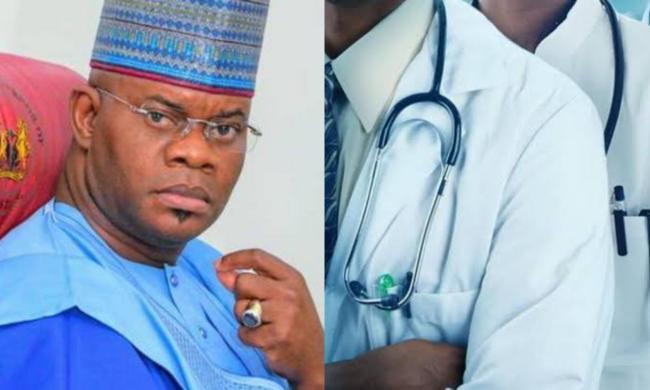
In a show of determination, the Association of Resident Doctors (ARD) at Kogi State Specialist Hospital (KSSH), Lokoja, is poised to rally its members for an open-ended strike action. This move comes after the elapse of a 21-day ultimatum, sternly issued to the leadership of Governor Yahaya Bello’s administration to address their grievances.

Recalling the initial stance taken by the resident doctors, on August 9, they had issued a 21-day ultimatum to the Kogi State Government, warning of an indefinite strike if their demands were not met. This decision followed the suspension of their two-day industrial action, directed by the National Association of Resident Doctors (NARD).

The ultimatum was strategically designed to pave the way for dialogue and engagement with the state authorities. However, the recent announcement regarding the potential indefinite strike was revealed through a statement jointly signed by Dr. Ameh Friday, President of ARD KSSH, and Dr. Peter Samuel, Secretary General. The statement was made accessible to journalists in Lokoja on Saturday.

The statement emphasizes, “The ARD KSSH wishes to emphasize that today marks the 21st day since our last communique and one month since we suspended our industrial action as directed by the National Body – NARD. We did this to give the government an opportunity to address our pressing demands, which are as follows.”

It continues to outline their demands, which include the upward revision of CONMESS 2014 to CONMESS 2023 and approval of the Medical Residency Training Fund (MRTF) for the years 2020, 2021, 2022, and 2023. The doctors also seek a review of hazard allowances in line with the National Salary, Income, and Wages Commission’s December 22, 2021 release, along with the implementation and financial support for promotions, including arrears for annual increments and promotions.

The statement serves as a stern reminder of the association’s initial communication and reiterates their commitment to addressing these pressing concerns. It underscores the emotional and psychological strain experienced by its members in the Kogi State Specialist Hospital due to the unsatisfactory working conditions and challenging economic realities.

The ARD plans to convene a Congress meeting in the next seven days to evaluate the progress made thus far and make critical decisions regarding their demands, signaling their unwavering determination to secure their rights and better working conditions.

FDA approves first injectable treatment to prevent HIV infection

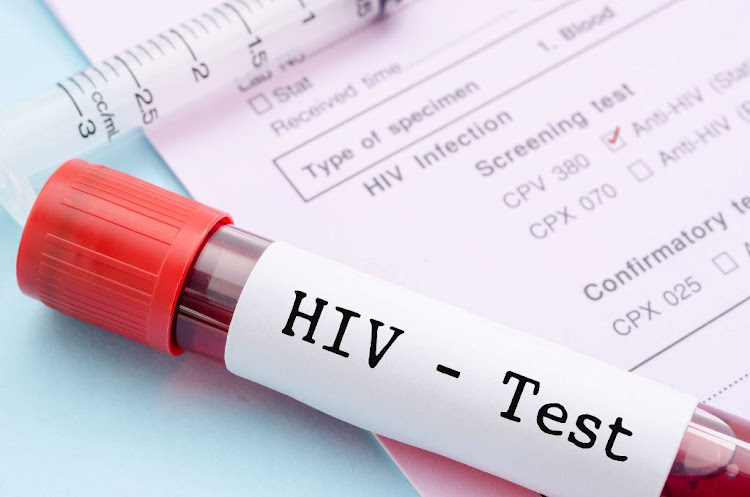
The US Food and Drug Administration (FDA) has approved an injectable form of GlaxoSmithKline’s (GSK) cabotegravir drug that is given every two months to prevent an HIV infection.

The injection — Apretude — to prevent the virus that causes Aids is aimed as an alternative to daily pills and has been approved for use in at-risk adults and adolescents.

Its first two doses are administered one month apart and then the injection is given every two months thereafter.

Patients can start their treatment with Apretude or take oral cabotegravir for four weeks to assess how well they tolerate the drug.

Apretude comes with a boxed warning to not use the drug unless a negative HIV test is confirmed. A boxed warning on the label is FDA’s strictest warning and calls attention to serious or life-threatening risks of a drug.

Apretude’s approval was based on a final study showing it was found to be 66% more effective in preventing HIV infections than Gilead’s Truvada daily oral pills.

Cabotegravir and the daily oral pill were both well tolerated in the study, which was conducted on men who engage in sexual activity with other men and transgender women who have sex with men, putting them at risk of contracting HIV.

(Reuters)

First new treatment for sickle cell in 20 years

The first new sickle-cell treatment in 20 years will help keep thousands of people out of hospital over the next three years, NHS England has said.

Sickle-cell disease is incurable and affects 15,000 people in the UK.

And the National Institute for Health and Care Excellence said the hope of reducing health inequalities for black people, who are predominantly affected and often have poorer health to start with, made the drug worth recommending.

It called it “an innovative treatment”.

Painful episodes

The drug, crizanlizumab, made by Novartis, is injected into a vein and can be taken on its own or alongside standard treatment and regular blood transfusions.

And in a trial, patients taking the crizanlizumab had a sickle-cell crisis 1.6 times a year on average, compared with nearly three times a year normally.

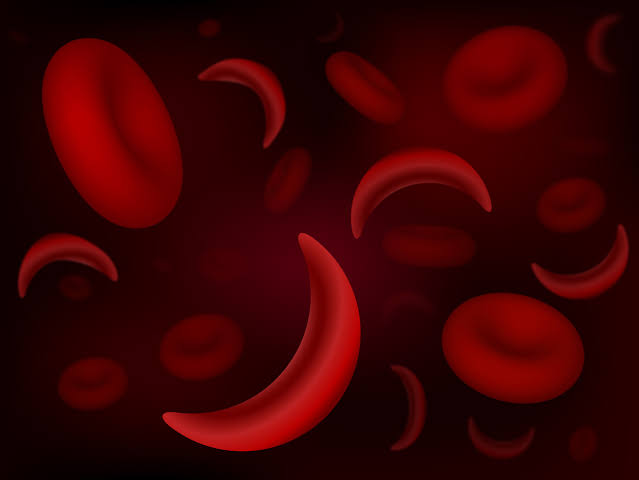
These painful episodes, which can require hospital treatment and lead to other health complications, are caused by by sickle-shaped red blood cells blocking the small blood vessels .

But because the trial was small and lasted only a year, it remains unknown how long the benefits last for – and that makes it difficult to judge how cost-effective crizanlizumab is.

Nevertheless, NICE, which recommends treatments in England and Wales, is recommending its use for over-16s, albeit under a special arrangement rather than routinely, on the NHS.

And additional data on the treatment will be collected through clinical trials.

The charity Sickle Cell Society said the new treatment brought “new hope” for people living with the world’s most common genetic blood condition.

NHS chief executive Amanda Pritchard said: “The moment that a new drug comes that is approved to be used, our job is to make sure that we can do a deal to ensure it’s affordable and get it out as quickly as possible.”

(BBC)