




Trending
Articles

Sport
News


Recent
Posts

Nigeria’s Mining Investment Promises Ring Hollow as Jupiter Lithium Dispute Exposes a Troubling Contradiction
By Biliyaminu Suraj
Nigeria’s renewed courtship of American investors in the mining sector deserves more than applause. It deserves scrutiny.
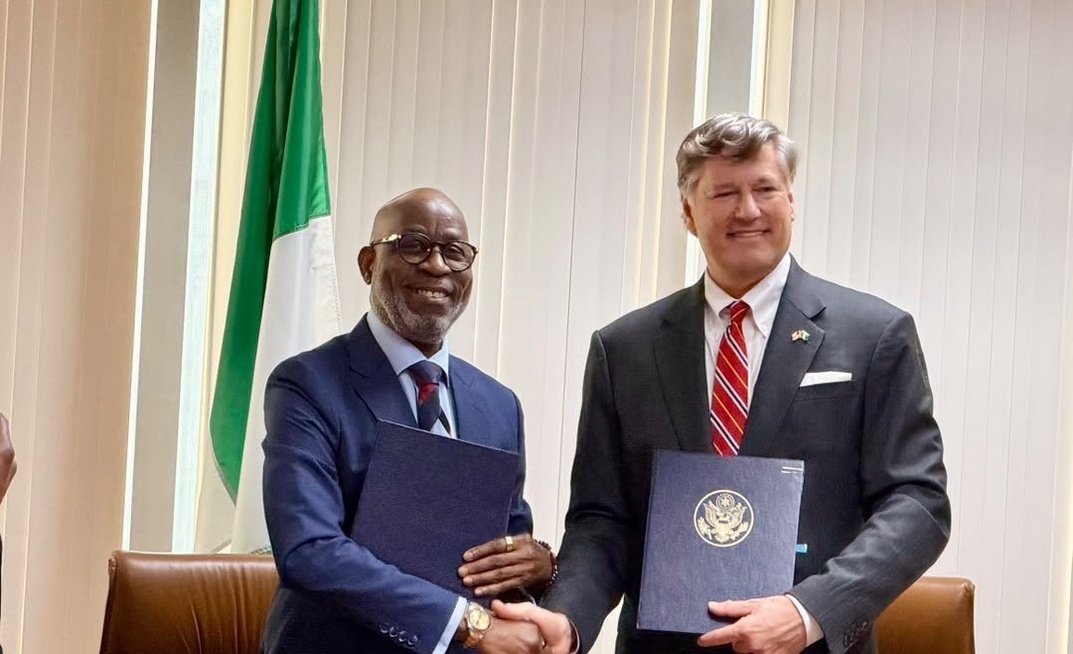
On September 24, 2026, Minister of Solid Minerals Development Dele Alake announced on X that Nigeria and the United States had signed a framework agreement on mining investment. He said it was signed in New York with US Deputy Secretary of State Christopher Landau and covers geological data and exploration, mineral development and processing, infrastructure and technical capacity. Minister Alake valued Nigeria’s mineral resources at about $700 billion. As reported, the announcement named no project and stated no investment figure.
That raises an uncomfortable question: what does a promise of a welcoming investment environment mean for investors who have already committed years of work and resources to developing Nigeria’s mineral wealth? The dispute over a major lithium project in Kaduna State offers a sobering answer.
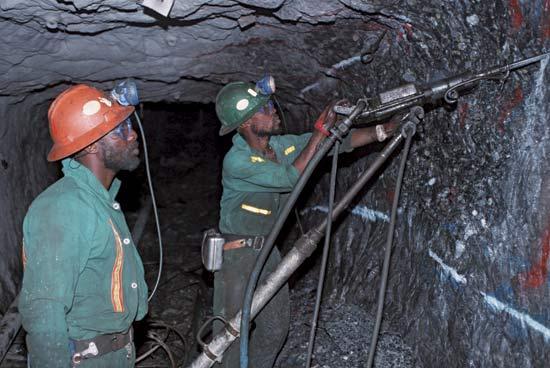
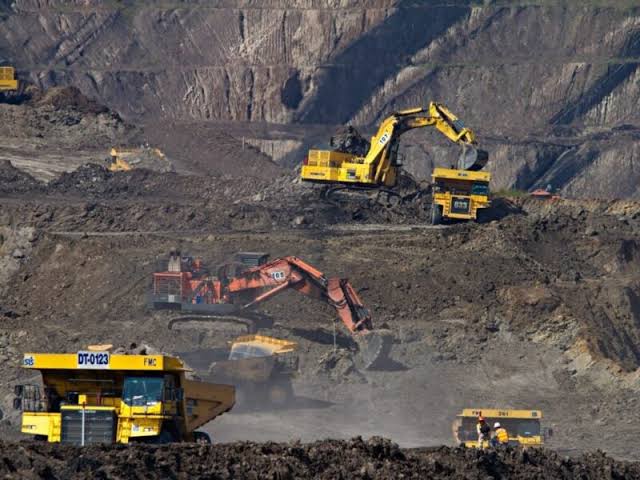
In July 2024, American Resources Corporation’s subsidiary, ReElement Technologies, announced a joint development agreement with UK-based Jupiter Lithium Ltd to commercialise what the companies described as a world-class lithium deposit in Southern Kaduna. The project, held through Nigerian companies Basin Mining Limited and Range Mining Limited, covers about 442 square kilometres near Kafanchan under granted mining leases the companies said run to 2074 plus several mining lease applications awaiting grant by the Minister.
The announcement was ambitious. Jupiter planned to move from contract mining to large-scale operations, starting with 55,000 tonnes of spodumene concentrate a year and rising to 167,000 tonnes within two years, with first production projected for early 2025. It is not clear that production ever began. ReElement planned a processing facility in Nigeria to produce battery-grade lithium carbonate using the lithium concentrate produced from the Jupiter project, and the companies promised a continuation of community projects including potable water, electricity, agriculture and scholarships which Basin and Range had been implementing for several years. That is the domestic processing and industrial development Nigeria says it wants.
The project has since become an international investment dispute. Mid-last year, Jupiter alleged Nigerian authorities had unlawfully revoked its mining rights and seized the project. The firm also alleged that the government purportedly revoked 70 per cent of its mining leases and failed to decide on further mining lease applications within the 45 days the Mining Act requires, leaving the applications waiting more than two years. It further claims authorities forcibly escorted its personnel off the tenements. These are allegations, not findings.
The government’s case deserves a fair hearing. In a statement issued in early August 2026, the minister’s media adviser, Kehinde Bamigbetan, said the revoked titles belonged to Basin Mining Limited, a Nigerian company. He said they were revoked for failure to pay statutory annual service fees of ₦1.223 billion in 2024 on five mineral titles, a liability that rose to about ₦2.494 billion by the time the licences were revoked. The ministry says it has no legal or contractual relationship with Jupiter Lithium, Basin and Range’s UK parent company, because the Nigerian Minerals and Mining Act 2007 prohibits licences to foreign companies. But the government’s account leaves important questions unanswered. First, the ministry says it has no relationship with Jupiter Lithium Ltd and that Jupiter is unknown to the mining authorities, yet its own aide has described Basin Mining as an alleged Nigerian subsidiary of Jupiter and has acknowledged that Jupiter filed arbitration over the revocation. If a foreign mining company cannot directly hold a mining title how then does it invest in a mining project in Nigeria if not through a local Nigerian subsidiary? Second, by the ministry’s own figures the arrears roughly doubled before the licences were revoked. The company alleges it had been denied access to its tenements for more than two years and questioned why it should pay annual fees if it could not access its tenements and could not develop the mineral assets it had discovered after years of exploration and investment. Third, why did the Ministry not grant the mining lease applications within the stipulated 45 days but reject the applications without notice nor reason after more than two years? Finally, the ministry has answered critics by calling their campaign blackmail, rather than publishing the records that would settle the matter.
The legal consequences are already in motion. The italaw docket lists a notice of intent dated July 1, 2025 and a request for arbitration dated December 1, 2025, under the 1990 Nigeria-United Kingdom Bilateral Investment Treaty. The International Centre for Settlement of Investment Disputes (ICSID), part of the World Bank Group, has the case as Jupiter Lithium Ltd and Others v. Federal Republic of Nigeria, Case No. ARB/26/27, and it is pending. The Tribunal has been constituted but is yet to hear submissions on Jupiter’s allegations or Nigeria’s defence.
An investor-state arbitration over a strategically important critical minerals project is not a minor administrative disagreement. It raises questions about regulatory predictability, the security of mineral titles and the confidence investors can place in Nigeria’s legal and investment framework. The government may argue it is simply enforcing the law, and it can make that case before the tribunal. But investors and the Nigerian public are equally entitled to ask whether enforcement was transparent, proportionate and consistent with the stated commitment to long-term investment.
There is also a contradiction in the government’s messaging. Nigeria is seeking American capital and presenting itself as an emerging destination for mining investment, while an existing major project that attracted international technical and commercial partners sits in an arbitration. What assurance can the government give a new American investor if the future of a project established under an international investment treaty with Nigeria’ is contested? The slump in trade between Nigeria and the UK of -45% in 2025 may reflect the diminishing confidence Nigeria’s traditional trading partners place in Nigeria while Nigeria looks towards China with trade up 38.4% in 2025.
Investors do not make investment decisions on speeches, memoranda or official photographs. They study how companies already in the market have fared. Security of title, predictability and consistency in mining regulations are critical. The significant increases in mining licence fees in 2025 without mining industry consultation saw exploration licenses experiencing fee increments as high as 2,000 percent and mining leases seeing increases of 4,000 percent.
The consequences run both ways. If the revocations are found to have violated the UK-Nigeria Bilateral Investment Treaty which provides investment protections, confidence in Nigeria’s mining sector would suffer and the country could face potentially significant financial liability in the Jupiter case. If the government shows the revocations were lawful and justified by genuine breaches, it reinforces the principle that investors must obey Nigerian law. Either way, the dispute demands transparency and documentary evidence, not public relations battles.
The Jupiter case is a litmus test for investment from reputable international mining companies. It demands transparency from both the Federal Government and the mining company. The Federal Government should clarify the status of the affected tenements and respond to the allegations about third-party access to the project area, the companies’ several petitions to remove illegal miners, the extraordinary delay in addressing the applications for mining licences and the MCO award of several licences over the companies’ valid tenements to third parties The same standard applies to Jupiter: its claims, however serious, must be backed by verifiable evidence and tested independently and they appear to be doing that by taking their claim to the World Bank’s arbitration platform, The International Center for Settlement of Investment Disputes (ICSID), an expensive process that is not undertaken lightly.
The US-Nigeria September agreement may open real opportunities. Its value will be measured not by the enthusiasm around its signing, but by whether investors can operate under clear rules enforced consistently and fairly. Attracting foreign investment is only half the challenge. Protecting the credibility of the investment environment is the other half.
Until that contradiction is addressed, every new promise of a mining-sector investment boom deserves a pinch of salt.
Kaduna Group Backs Defence Minister Musa, Says El-Rufai’s Record Speaks for Itself
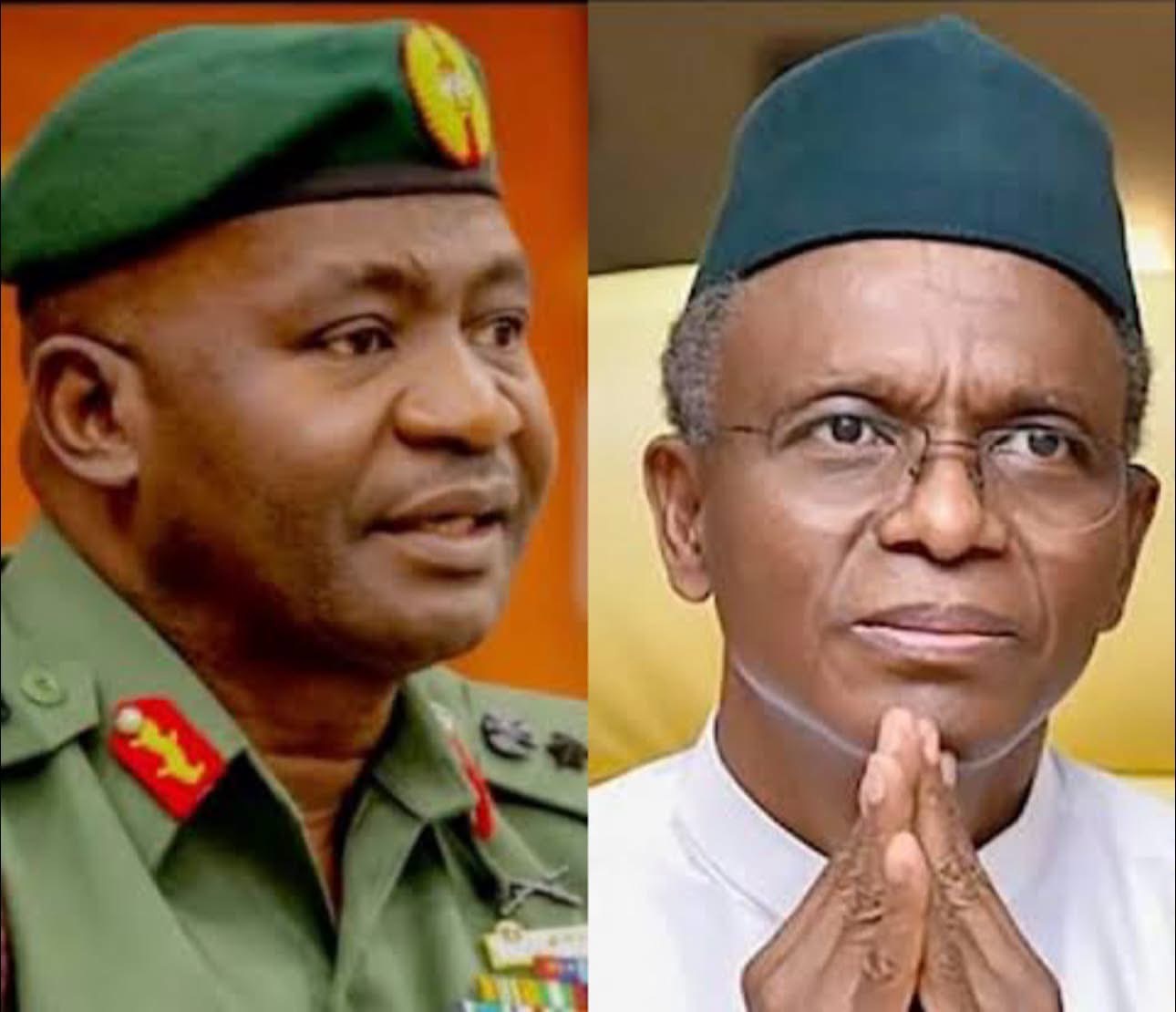
Kaduna — A political pressure group made up of Muslims and Christians in Kaduna State has thrown its weight behind the Honourable Minister of Defence, General Christopher Musa, over remarks he made about the administration of former Governor Nasir Ahmed El-Rufai during a recent interview on Channels Television.
The Kaduna State Muslim-Christian Network for Good Governance, in a statement signed by its Chairman, Tahir Tanko, and Secretary, Steven Kefas, described criticism of General Musa’s comments as a reckless attempt to drag the minister’s name through the mud and accused his critics of selective amnesia and ethno-religious rhetoric.
The group said it stood as a living witness to what it called the divisive and arbitrary rule of El-Rufai between 2015 and 2023, citing the sacking of thousands of state workers and traditional rulers without due process, the killing of Shiites during his tenure, the handling of insecurity in the state, the demolition of markets and homes without compensation, and the arrest and incarceration of Christian and Muslim leaders who spoke out against his policies.
The statement also referenced a widely circulated video in which El-Rufai is said to have claimed he laid the foundation for the marginalisation of a section of the state, and to have urged Islamic and political leaders to sustain that agenda for at least twenty years until, in his words, its victims accepted their fate. Middle Belt Times has not independently verified the video or its content and is relying on the group’s characterisation of it.
According to the group, General Musa’s remarks were an accurate reflection of what residents experienced in Kaduna during those years, and it challenged anyone disputing that account to produce facts rather than hide behind ethnic or religious cover to defend El-Rufai or attack the minister.
The statement pushed back against attempts to frame General Musa’s comments as limited to Southern Kaduna alone, insisting that when the minister said El-Rufai deliberately planned the killing of our people, he was speaking of the entire Kaduna populace affected by the former governor’s policies, actions, or failures in managing a diverse state.
The group expressed total support for General Musa and said it was proud that a public figure of his standing had echoed a conversation it said had long been ongoing at state, national and international levels. It called on Kaduna citizens to close ranks with the present state government in its effort to restore unity, inclusiveness and fairness in governance.
The statement was also signed by members Yakubu Adamu, Joyce Michael, Kevin Bahago and Zariyi Yusuf, and Publicity Secretary Adamu Abdullahi.
Nasir El-Rufai and his aides are yet to respond publicly to the group’s latest statement. What is not in dispute is that the debate over his eight years in charge of Kaduna State is far from settled, and General Musa’s intervention has ensured it will not go away quietly.
Blood on the Hills: Thirty Silenced at Naridon While Nigeria’s Army Watched From Three Kilometres Away
By Steven Kefas
(Kaduna), Terrorists killed thirty people, eleven of them children, during a three-hour rampage in Naridon, Kaduna State, on Monday morning, just kilometers from an army base that never responded.
A Village Wakes to Gunfire
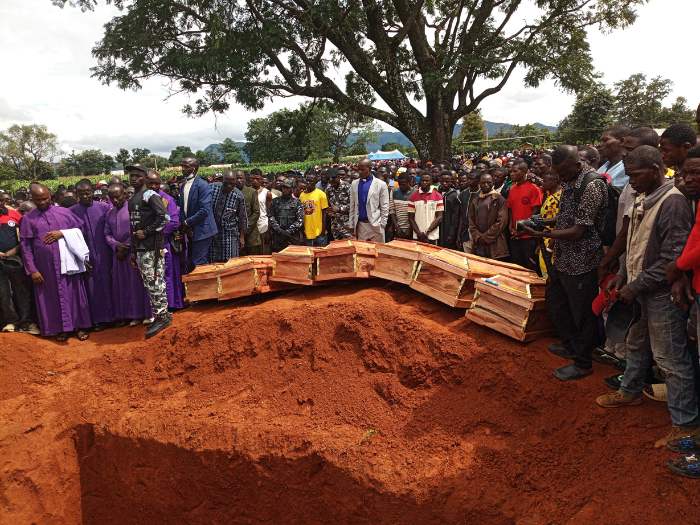
Naridon, a Christian farming settlement tucked into the hills of Kamaru Ward in Kaduna State’s Kauru Local Government Area, had gone to sleep like any other Sunday night. By the time dawn broke on Monday, 27 July 2026, thirty of its people lay dead. Eleven were children. The youngest, Geoffrey Monday, was three years old. The oldest, Kaka Umaru, had lived eighty-seven years before gunmen cut his life short in the compound where he had likely been born.
For close to three hours, armed men locals described as Fulani militants moved through Naridon unchallenged, according to Rev Fr Mark Bissan, the Catholic priest of Kamaru Chawai who compiled the parish’s account of the dead, injured and destroyed. They shot residents in their homes and in the open, torched shops and houses, and desecrated musical instruments inside the community church. Seven more people were wounded, among them a five-year-old girl and a seven-year-old boy. Whole family lines were nearly wiped out in a single night: the Emmanuel household alone lost five children, from five-year-old Irimiya to thirteen-year-old Deborah.
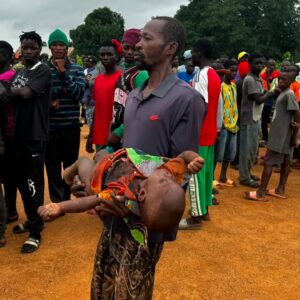
A young child killed during the attack. Credit: Fr Bissan
A Response That Never Came
What makes Naridon’s grief sharper is geography. A Nigerian Army forward operating base sits barely three kilometres from the village, close enough that soldiers there could plausibly have heard the gunfire. No help arrived while the attack was underway, and none had arrived when Middle Belt Times visited the community on Wednesday, forty-eight hours after the killing began. There was not a single security operative on the ground, even as residents relayed threats from the attackers themselves that they intended to return and, in their words, to finish what they started. Neighbouring communities say they have received similar warnings.
Thirty bodies were taken to an embalming facility in Zangon Kataf, where grieving relatives now wait to bury their dead. The Kaduna State government has yet to deliver relief materials to a community that has lost its breadwinners, its children and its sense of safety in one night. This is despite the state government mandating the state emergency management agency to deliver relief 72 hours ago.
President Bola Tinubu has, as he has done after previous massacres, ordered that those responsible be identified and prosecuted. Survivors of Naridon have reason to doubt that order will be carried out. This is not the first attack their area has suffered, and it will not be remembered as an isolated tragedy. On 16 June 2026, nine people were killed in nearby Ungwan Magaji by attackers survivors identified as Fulani ethnic militia. Less than a year earlier, on 25 August 2025, eight people were killed in Ungwan Rimi, in the same local government area, reportedly by the same attackers. Disturbingly, some of those arrested in connection with the 2025 attack were reportedly released without ever facing prosecution, and survivors of the June 2026 killing say they recognised those same men among their attackers. Naridon is now the deadliest single attack recorded in Kaduna state since the current federal and state administrations took office on 29 May 2023.
A Pattern the World Keeps Missing
Naridon did not happen in a vacuum, and neither did the silence around it. A six-year study released on 30 June 2026 by the Observatory for Religious Freedom in Africa (ORFA), titled Four Times Boko Haram? How the World Misreads Nigeria’s Violence, documented 79,323 people killed across the country between 2020 and 2025, more than 42,000 of them civilians. The study found that Boko Haram and the Islamic State West Africa Province, the two groups most associated with Nigerian terrorism in Western reporting, together accounted for just twelve percent of civilian deaths. Armed groups the report classifies as Fulani Terror Groups were responsible for forty-four percent, roughly four times the combined toll of Boko Haram and ISWAP.
That imbalance has not been matched by attention from Washington. American policy and media coverage of Nigeria’s violence has overwhelmingly tracked the North-East insurgency, the theatre where Boko Haram and ISWAP operate, while the killing fields of Kaduna, Plateau, Taraba, Niger, Kwara and Benue states draw comparatively little notice. When American forces did act, striking suspected terrorist positions in Sokoto’s Bauni Forest on Christmas Day, the operation targeted the North-West’s militant enclaves rather than the networks terrorising Middle Belt farming communities. The strikes have had no discernible effect on the violence closer to Naridon. If anything, attacks on Christian farming communities in Kaduna, Benue, Taraba and Plateau intensified in the months that followed.
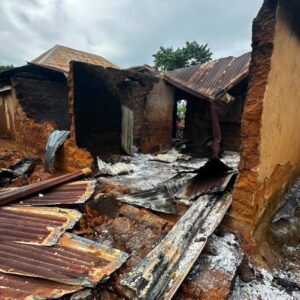
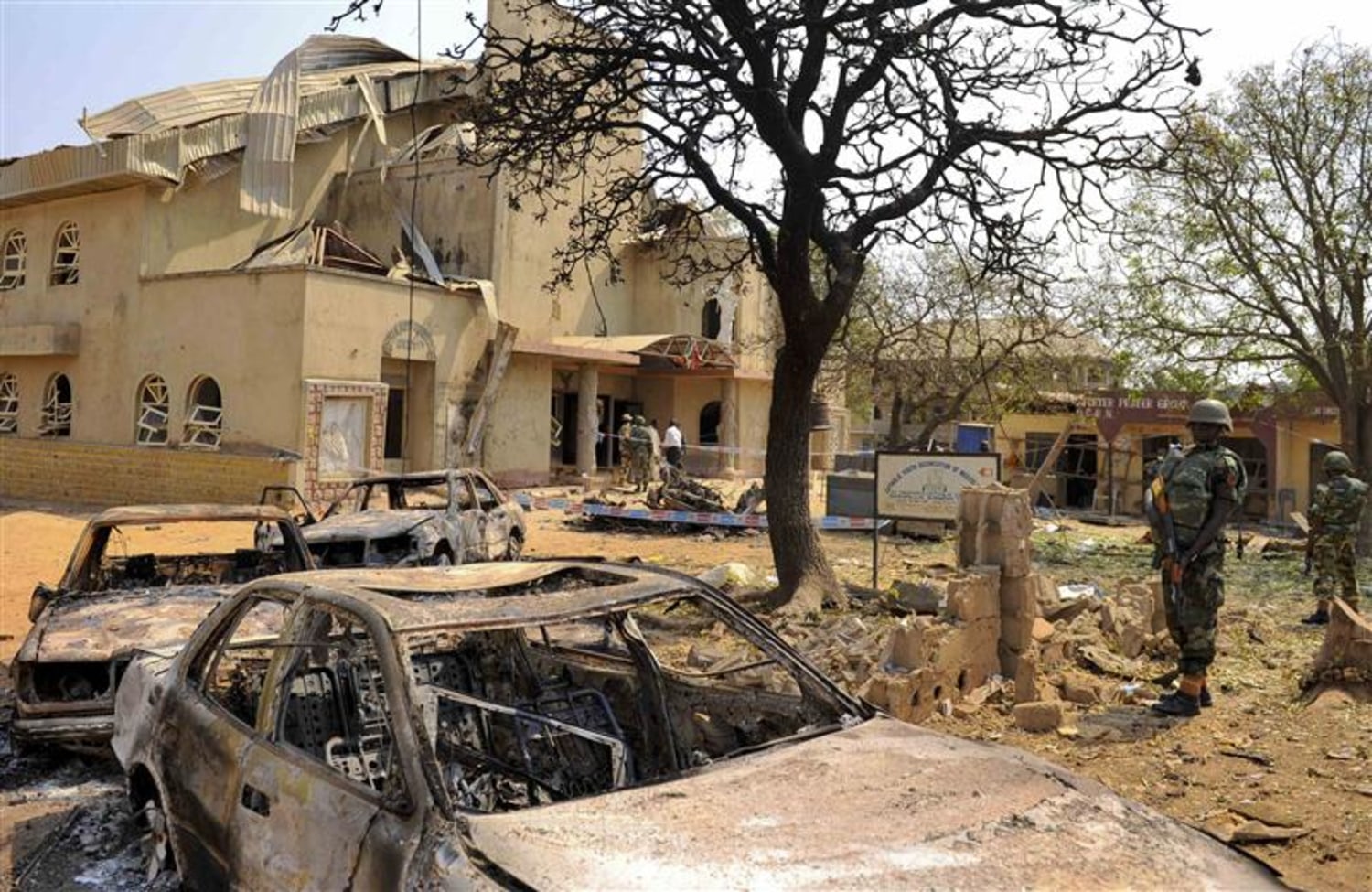
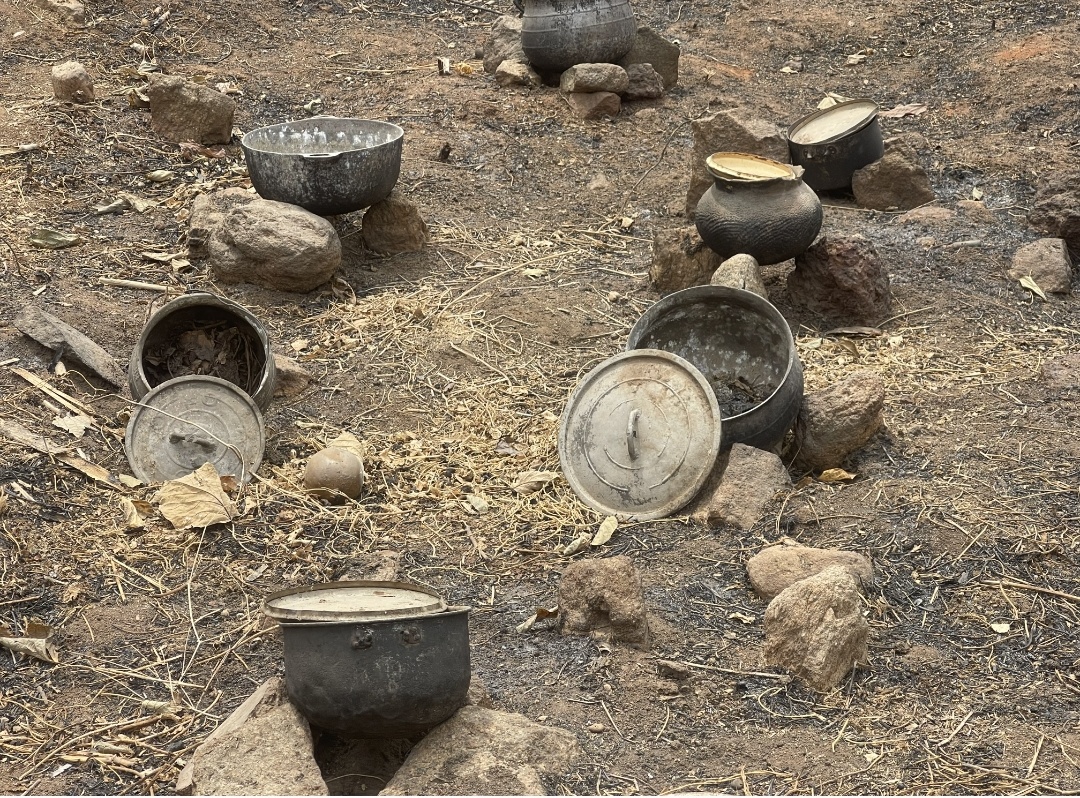
A destroyed building in Naridon. Credit: Fr Bissan
Plateau and Benue Bleed in Parallel
Naridon’s grief is being lived out simultaneously elsewhere in the Middle Belt. In Benue State’s Otukpo Local Government Area, gunmen have carried out a string of attacks through July, culminating in a raid on Efeyi-Ugboju community that has left at least fourteen people dead this week alone, part of a wave of Otukpo violence that has killed dozens of farmers and villagers since early July. In Plateau State, the killing has followed a near-identical script: armed Fulani militia have shot Christian vigilantes standing unarmed watch in Barkin Ladi, wiped out a family of nine in Kum village, and killed community leaders who had publicly appealed for peace. Survivors and rights monitors describe the same features again and again, attacks late at night, army positions nearby that do not respond in time, and communities left to bury their own dead without government support.
A Government More Focused on Washington Than on Kauru
While villages like Naridon wait for security and relief, Nigeria’s federal government has directed considerable resources toward its image in the United States. Abuja signed a six-month, nine-million-dollar contract with the Washington lobbying firm DCI Group, brokered through Kaduna-based Aster Legal on behalf of the National Security Adviser, to persuade American policymakers that Nigeria is not turning a blind eye to the killing of Christians and to preserve Washington’s redesignation of Nigeria as a security partner rather than a Country of Particular Concern. Critics in the US Congress have called the spending a culture of denial, more concerned with managing perception abroad than protecting the villages where the killing is actually happening.
For the people of Naridon, none of that diplomacy has translated into a soldier at their gate. Thirty coffins are being prepared in Kafanchan. Children who survived the attack are sleeping without their siblings. And a community that buried its dead from June 2026, and August 2025 before that, is now bracing for a third round, because the men who threatened to come back have given no one reason to believe they were bluffing.
…Steven Kefas is a conflict reporter with over a decade experience covering the crisis in the Middle Belt
THE UNTOLD GENOCIDE: How Political Islamists and Fulani Militias Are Systematically Targeting Muslims and Christians in Nigeria
By Khaleed Yazeed
The Observatory for Religious Freedom in Africa (ORFA) has just released a report that should shake the foundations of every government, every international organization, and every conscience that claims to care about human life. Between 2020 and 2025, Nigeria recorded 79,323 deaths linked to terrorism-related violence. That is an average of 36 people killed every single day. Of these, 42,033 were innocent civilians, ordinary men, women, and children who woke up one morning and never saw the sunset.
The data from ORFA reveals a devastating truth that the Fulani elite have spent years trying to bury. Armed groups classified as “Fulani Terror Groups” were responsible for a staggering 44 percent of all civilian deaths, amounting to 18,577 killings. In contrast, Boko Haram and the Islamic State West Africa Province (ISWAP), the groups that have dominated Western headlines and consumed international counter-terrorism resources, combined accounted for only 12 percent of civilian deaths . As ORFA Senior Research Analyst Frans Vierhout stated: “Violence linked to Fulani militias is the dominant force behind Nigeria’s death toll. The Western preoccupation with Boko Haram is, at best, misleading. Nigeria is incubating a terror network which the outside world has yet to acknowledge”.
The Attack on Muslims by Political Islamists
The report makes clear that Muslim civilians are not spared from this violence. Between 2020 and 2025, 13,224 Muslims were killed and 15,272 Muslims were abducted. These are not accidental casualties; they are the result of a systematic campaign by Fulani militias and political Islamists who are willing to sacrifice even their co-religionists in their quest for land, power, and dominance.
The ORFA report documented 34,773 civilian abductions during the six-year period, with Fulani Terror Groups accounting for 43 percent of these kidnappings, and Unidentified Terror Groups responsible for 49 percent . The report also found that 75 percent of civilians killed died during attacks on farming communities, raids that involved abduction, sexual violence, and the systematic destruction of homes and livelihoods. These are not isolated incidents; they are part of a coordinated campaign.
According to security expert Steven Kefas, the Fulani Ethnic Militia’s activities are methodical and low-profile, with 79 percent of attacks being land-based raids on farming settlements that focus on abduction, killings, sexual violence, and arson. The violence is predominantly concentrated in the North-Central zone and Southern Kaduna, areas that have suffered significantly from Fulani attacks while military resources are concentrated in the North-East and North-West . This is not a security failure; it is a security choice.
The Captivity by Creed System
ORFA’s research revealed a disturbing pattern they call “Captivity by Creed”, a system where Muslim and Christian hostages are treated differently from the moment of capture. According to the report, Muslim captives generally face lower ransom demands and less violence, while Christian captives face higher ransom demands, a greater likelihood of execution, and in the case of women, a higher risk of sexual violence. As Steven Kefas stated: “From the moment of capture, Muslim and Christian hostages enter different realities. It is not about individual captors. It is a system that is consistent across multiple states, armed groups and years of survivor testimony”.
This is not a random pattern; it is a deliberate system of sorting by creed. The 2025 USCIRF report confirmed that violence by Fulani militants caused the highest number of deaths among all religious communities in Nigeria, with Fulani militants targeting Christian farming communities in the Middle Belt and increasingly the South, burning homes and churches, and kidnapping, raping, and murdering. Even Muslim civilians are not spared, as Fulani militants and political Islamists have been known to attack Muslim communities that resist their domination or refuse to support their agenda.
The Role of Political Islamists and the Izala Movement
The eyewitness account in the ORFA report points to a specific driver: the Izala movement, which spread from Saudi Arabia and combined with Fulani ethnic supremacy to capture the political establishment in the North . According to the eyewitness: “The Izala movement, combined with Fulani ethnic supremacy, captured the political establishment in the north. It led to the formation of an ethno-religious terrorist group called the Fulani Ethnic Militia, which began to reign terror on non-Fulani Muslim civilians and Christian civilians alike”.
A 2023 study by Nigerian scholars on the herder-farmer conflict in Plateau state found that the great majority of indigenous people from non-Fulani ethnic groups believe that the motives for violence by Fulani herders are land grabbing, jihad, and Fulanization, rather than cattle rustling or resource conflict. This is not about grazing; it is about conquest. The same study found that Fulani leaders in Plateau state have expressed the view that Muslim leaders who support peace with Christians are not “true believers” and have incited their followers to target non-Muslims.
The Government’s Complicity and Silence
The Nigerian government has been complicit in covering up this violence. According to the ORFA report, the government has been covering up the attacks as “communal clashes” due to climate change. Ethnoreligious violence puts Nigeria in a bad light internationally, scaring off investors and limiting foreign aid . As reported by Genocide Watch, Church leaders and analysts have criticized the government and military for consistently describing Fulani jihadist massacres of Christians as “communal clashes” or “herder farmer disputes,” ignoring the explicit religious targeting. Rev. David Azzaman sharply noted: “The military refers to these attacks as communal clashes or ‘farmer/herder clashes’… What is going on… is genocide”.
In December 2016, then-Kaduna State Governor Nasir El-Rufai made a public admission that he had identified the killers as Fulani, including foreign Fulani fighters from Cameroon, Niger Republic, Chad, Mali, and Senegal. Rather than pursuing legal accountability, El-Rufai disclosed that his government sent emissaries across borders to appeal to these individuals to stop the killings because he, as governor, was Fulani like them. A governor openly admitting that he is appeasing killers because of ethnic kinship is not governance; it is surrender.
The International Complicity
Yet despite the rising toll, Fulani militias have vanished from international terror rankings like the Global Terrorism Index (GTI). According to Kefas, their violence is mis-categorized as “communal” or “ethnic” conflict, making it invisible to international security frameworks and humanitarian aid. The GTI uses specific criteria to define terrorist incidents, but the framing of Fulani militia violence as communal or ethnic clashes rather than terrorism has contributed to their exclusion from global terror rankings, which has real-world consequences affecting international aid allocation, security cooperation, and diplomatic pressure.
Save the Persecuted Christians, via Truth Nigeria, emphasized that global advocacy is undermined when Western governments echo religious neutral narratives. Dede Laugesen stated: “Nothing will change until the Nigerian people unite with one voice… It’s not climate change… This is genocide pure and simple. All who try to explain it otherwise are culpable”.
Conclusion: The Awakening Has Begun
The ORFA report has been submitted to the United Nations Special Rapporteur on Freedom of Religion or Belief. The question now is whether the world will act, or whether it will continue to look away. As security expert Steven Kefas concluded, the international community must grapple with uncomfortable questions about selective attention to terrorism and the consequences of allowing certain forms of mass violence to remain invisible. The 79,323 deaths represent more than statistics, they are fathers, mothers, children, and community leaders whose lives were cut short while the world looked elsewhere.
The Hausa people are waking up. The Middle Belt is stirring. The Orange Union is rising. And the Fulani elite are running out of time. The evidence is clear, and it demands accountability. The dead are watching. The truth is a weapon. And we are learning to use it.
Khaleed Yazeed
Founder, Wakilin Yamma Youth Development Network
Katsina State, Nigeria
UK Miner Launches Arbitration Case as Nigeria Blocks Access to Multi-Billion-Dollar Lithium Project
A British mining company has launched international arbitration proceedings against Nigeria after authorities purported to revoke its licences, forcibly escorted company personnel off its legally held tenements, and blocked development of what it says is a multi-billion-dollar lithium and critical minerals project with strategic importance for the UK.
Jupiter Lithium Ltd, a UK-registered company, has filed a Request for Arbitration with the International Centre for Settlement of Investment Disputes (ICSID) based in Washington DC, Paris and Singapore.
Jupiter has spent several years exploring and delineating what it describes as a world-class hard-rock lithium deposit in central Nigeria. According to the company, the resource is large enough to supply all of Britain’s lithium requirements for decades, positioning it as one of the most significant potential contributors to the UK’s emerging battery and electric-vehicle supply chain.
But Jupiter alleges that the Nigerian Federal Government has unlawfully obstructed the project, including by purportedly revoking 70 per cent of its Mining Leases and failing to grant further Leases within the statutory timelines under Nigeria’s Mining Act. The Act requires the Minister of Solid Minerals to issue or refuse a mining title within 45 days; Jupiter says it has been waiting more than two years.
Tensions escalated further in late 2025 when, according to Jupiter, federal authorities forcibly removed its personnel from site and escorted a Chinese-backed mining company onto the tenements to begin operations, despite the Chinese operator holding no legal mining title. The company says it has repeatedly sought dialogue with the administration of President Bola Tinubu, but all attempts to initiate discussions through the Mines Minister and Director General Mining Cadastre Office have failed.
According to individuals familiar with the exchanges, Minister of Solid Minerals Dele Alake at one point asked whether an international court would believe a foreign mining company over the Minister himself, which is seen as signalling the government’s unwillingness to engage in a negotiated resolution.
Jupiter is protected as a foreign investor in Nigeria under the terms of the UK–Nigeria Bilateral Investment Treaty (BIT), which guarantees protections for British investors including fair and equitable treatment, non-discrimination, and safeguards against expropriation. The company alleges multiple breaches of the Treaty and in June 2025 formally notified the Tinubu government of its intention to proceed to international arbitration if Nigeria continued to interfere with its rights to its tenements and refused to engage in discussions to resolve the dispute.
“Jupiter has acted in full compliance with Nigerian law and has made every effort to resolve this matter amicably,” a company representative said. “We have been left with no option but to pursue international arbitration to protect our investment and the rights afforded under the BIT.”
The Nigerian Government has not publicly commented on the dispute. Officials have previously signalled an ambition to increase domestic control over strategic critical minerals and deepen partnerships with new foreign entrants, including Chinese investors, as part of a broader push to accelerate development of the sector.
The Jupiter Critical Minerals Project is, according to the Jupiter website, one of the largest lithium deposits in the world. With an estimated output of 167, 000 tons of Lithium concentrate in the first two years, Nigeria stands to gain at least $6.2 billion in the first two years.
The confrontation comes at a critical time for the UK and US, which are both seeking to secure long-term supplies of lithium and other critical minerals essential for battery manufacturing. Britain currently has no commercial-scale domestic lithium production and relies heavily on imports from Australia, Chile, and China.
With London seeking to strengthen supply-chain resilience and deepen economic ties with African partners, the mistreatment of a major British investor in a strategic sector is likely to attract close attention from UK officials.
Meanwhile the US has made it clear it is concerned about the Chinese influence to control Critical Minerals and the processing of Rare Earth Elements which are essential components in defence technologies, smartphones, laptops, electric and hybrid vehicles, wind turbines and flat-screen displays.
Diplomatic observers say the dispute may feature prominently in discussions ahead of President Tinubu’s bid for a second term.
Jupiter says it remains open to a negotiated settlement but continues to prepare for arbitration and committed to arbitration under the Treaty to enforce its rights under the BIT should the stalemate persists.
Hospital Siege: How EFCC Operation Caused Deaths, Missing Patients at UUTH – Part I
By Ndifreke Jacob and Ibanga Isine
Harvests of beatings and humiliation
Investigation by GuardPost shows that no fewer than 15 patients may have lost their lives following the invasion of the University of Uyo Teaching Hospital (UUTH), Akwa Ibom State, by operatives of the Economic and Financial Crimes Commission (EFCC) on May 12.
However, the fate of several other patients who reportedly fled the facility against medical advice remains uncertain.
According to two top hospital officials who spoke with this publication on condition of anonymity, more than 15 deaths occurred during the crisis.
They noted that the total number may be higher, adding that the withdrawal of services by doctors and nurses made it impossible to record fatalities, and that relatives allegedly removed some remains hurriedly to avoid payment of hospital bills.
As heavy gunshots and teargas exploded that morning, GuardPost learnt that frightened relatives held on to patients fighting for their lives at the Accident and Emergency Unit of the hospital and at the Intensive Care Unit, critically ill patients were thrown into absolute confusion.
As the confrontation by the rampaging operatives escalated, the hospital’s generators were switched off, and union leaders ordered their members to withdraw services in protest.
The consequences were immediate and potentially devastating. Patients on life support machines, the critically injured in the Accident and Emergency Unit, and frail newborns in incubators were left in danger.
Immediately, doctors disappeared from consulting rooms. Nurses abandoned their duty posts. Laboratories were shut down. Theatres were abandoned. Classrooms and payment points were deserted.
Many patients who could walk took to their heels. Those who were unable to run were left behind in the chaos that followed.
Outside the administrative block, angry staff locked the gates against the heavily armed masked men who had desecrated the peaceful atmosphere of what was supposed to be a sanctuary of healing.
Many staff members were assaulted, injured, humiliated, and arrested in what the Executive Director of Policy Alert, Tijah Bolton, described as an “ill-conceived operation that should never have happened.”
You can also read:
Eyo Ekpe, a well-known Professor of Cardiothoracic Surgery and Deputy Chairman of the hospital’s Medical Advisory Committee, was among those affected.
The fact that a renowned surgeon and senior hospital administrator was dragged from his seat and viciously beaten, while staff members who tried to record the incident were assaulted and had their phones smashed, showed the level of impunity demonstrated during the operation.
It also raises serious concerns about the apparent disrespect for the sanctity of human life, the safety of healthcare workers, and the inviolability of a medical facility devoted to saving lives.
By the time the trigger-happy operatives withdrew after arresting six staff they may not prosecute, the hospital had become a crime scene and a tragedy whose full impact may never be completely known.
Despite an extensive investigation, this publication was unable to determine who ordered the invasion and the reasons behind it.
Many weeks after the troubling incident, it appears that the country has moved on as if nothing unusual happened. The public outcry has subsided, and the situation appears to have disappeared from the media.
The EFCC’s response was a weak apology, which many people saw as lacking genuine remorse for the injuries, humiliation, arrests, and inconveniences caused by the deadly operation.
When the Dead and the Living Ran Away
While viral videos circulating on social media captured terrified staff, patients, and visitors scrambling for safety during the EFCC raid on the hospital, they revealed only a fraction of what witnesses describe as one of the darkest days in the history of the institution.
GuardPost’s investigation shows that at least 15 patients died as a result of the operation. At the same time, dozens more reportedly absconded from the hospital or were taken away by family against medical advice.
Because regular medical services collapsed during the incident and during the two-day strike, the exact number of casualties may never be known.
What happened within the wards after the power source was turned off and essential services were shut down may never be completely known. The whole extent of the pain is likely to emerge only in fragments gathered from the accounts of grieving families, traumatised patients, and worried healthcare workers.
Doctors and nurses who saw the commotion are still attempting to understand what happened. Families are still dealing with the loss and uncertainty that followed. For many, the memories are still raw and painful.
What was once a sanctuary of healing, hope, and life preservation was turned into a scene of terror, confusion, and human suffering. The EFCC created a theatre of war in the heart of a hospital.
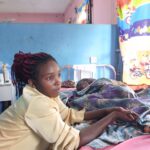
Inyene Samuel
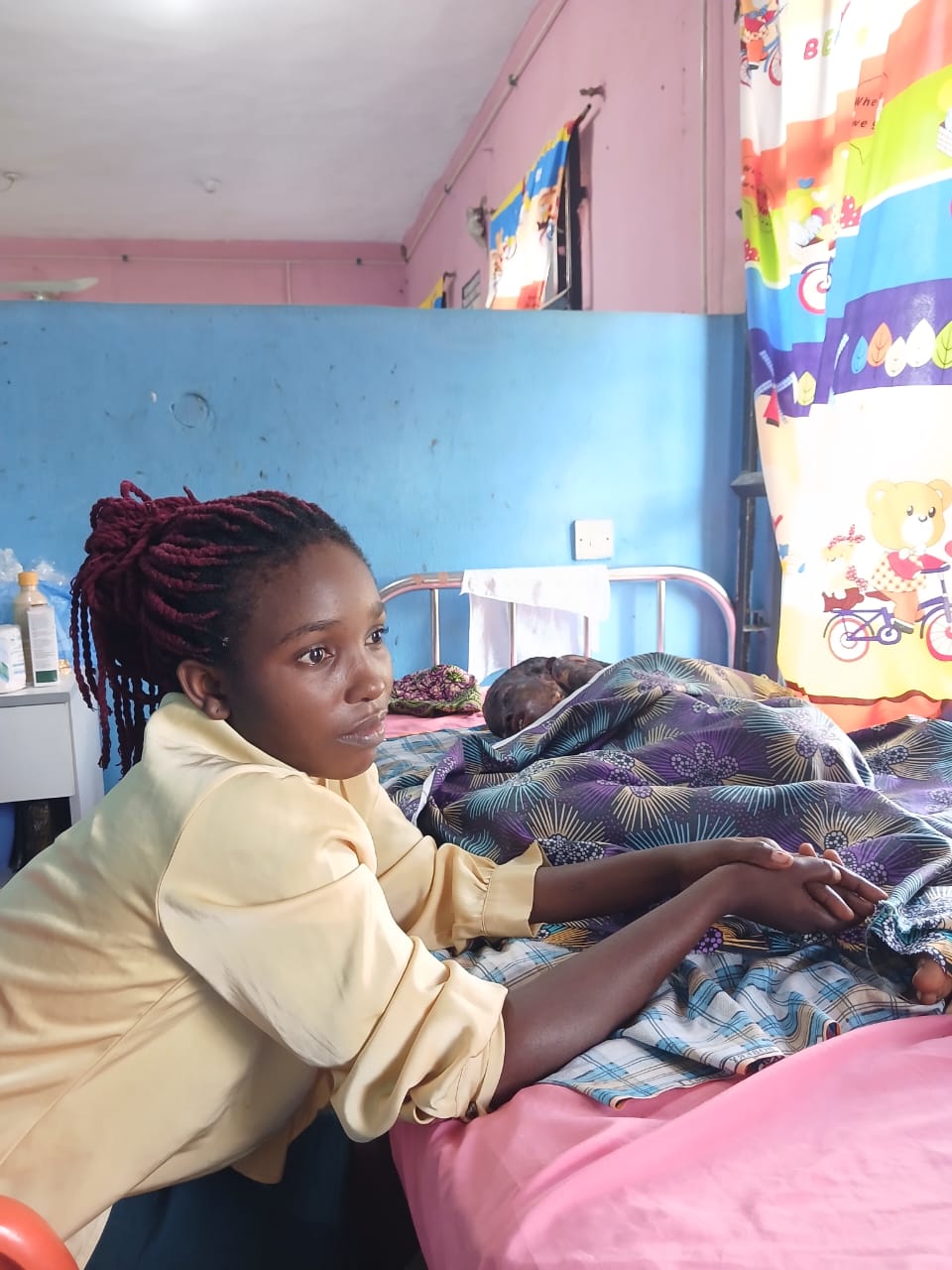
Mrs. Inyene Samuel, whose son was receiving treatment at UUTH during the crisis
Inyene Samuel, whose child survived the crisis, said she watched helplessly as many relatives rushed their loved ones out of the hospital.
“So many people died, both the young and the old, and their relatives took them away,” she told GuardPost, with her voice still heavy with emotion.
Another relative, Lizy David Lawson, whose daughter, Precious, is receiving treatment at the Paediatric Surgical Ward, said what happened that day is difficult to understand.
“What they did was completely unnecessary,” she said angrily. “How do you invade a hospital, arrest a doctor, and start firing guns and teargas? How did they expect sick people, especially those in critical condition, to survive such chaos? Many patients died, and others left the hospital that very day.”
For many UUTH staff, it would be difficult to forget what happened on May 12.
One consultant, who spoke under qualified privilege, said the exact scale of the tragedy may never be known because the very people responsible for documenting emergencies were themselves caught in the crisis.
According to him, as the crisis escalated, the number of deaths increased, adding that some patients died from complications caused by the interruption of medical services.
“I heard cries from the wards during the attack,” he recounted. “At that time, I did not fully understand what was going on.”
You can also read:
When he went back hours later to get personal items from his office, the dire situation in the hospital had become clearer.
“I saw patients in distress. I know some of them eventually died, but there was nothing anyone could do at that moment. In a hospital setting, especially in emergency and critical care units, even a brief interruption can have devastating consequences.”
He said the disruption created conditions in which helpless patients were left without the appropriate medical attention they required.
“It is possible that patients under treatment died as a result of complications, the absence of doctors to handle emergencies, and the chaotic situation that left many of them exposed,” he said.
Perhaps the most distressing part of the issue is that there may never be an accurate account of what happened within the teaching hospital.
When asked about the number of patients who died, the consultant and other witnesses interviewed by GuardPost provided similar answers. “There was nobody to document what happened.”
“There was nobody to certify some of the deaths before relatives took their loved ones away. That is what happened,” he added.
You can also read:
Another senior medical staff member who also declined to be named due to reasons of confidentiality said the hospital often reports at least two to three patient fatalities every day.
“We’re talking about a situation in which doctors and nurses were absent from the Intensive Care Unit, Accident and Emergency Unit, and general wards for longer than 48 hours. Those are the areas where the majority of deaths are typically recorded,” the insider said.
Ekanem Eshiet, a specialist in Emergency Medicine and Trauma Care at UUTH, confirmed that some patients in the Intensive Care Unit and the Accident and Emergency Department died during the crisis. However, he did not provide the exact number of casualties.
“Some patients who were in the Intensive Care Unit and the Accident and Emergency wards died, and that is what has not been reported. The impact was both direct and indirect.
“After seeing how a professor of surgery was assaulted, medical professionals decided to withdraw their services. As a result, many patients who depended on continuous medical care were left without guidance on the next steps in their treatment, and some lost their lives.
“Many of the patients had traumatic brain injuries and required constant monitoring and intervention. That was part of the indirect impact.
“The direct impact came when teargas was released within the hospital environment. Some patients with respiratory conditions, including asthma, suffered severe reactions. There were also cases of panic and anxiety attacks,” he said.
Attempts to speak with the hospital’s Chief Medical Director, Prof. Emem Bassey, were unsuccessful. He did not return calls or react to SMS or WhatsApp messages sent to his verified phone number.
Similarly, Dr. Ekem Emmanuel, the Akwa Ibom State Commissioner for Health, and the EFCC spokesperson, Dele Oyewole, did not respond to calls requesting their comments on the incident.
GuardPost learned that hours after the invasion, grieving families started leaving with the remains of their loved ones, frightened patients abandoned treatment, and the hospital built to save lives became an epicentre of confusion and death.
Several weeks later, the questions remain unanswered. What was the number of patients who died? How many people abandoned treatment and never returned? And how much did a law enforcement operation inside one of Nigeria’s busiest tertiary health centres cost the most vulnerable patients? How much did it cost the government in revenue losses?
The answers could potentially be buried in the silence that followed the gunshots, suffocating tear gas, merciless beatings, and arrests of the hospital personnel.
However, this investigation has just begun, and we are determined to dig deeper.
This series is funded by GuardPost Farms as part of its community social responsibility programme in Akwa Ibom State.
Who Is Behind the Violence in Northern Nigeria?
By Steven Kefas
Nigeria is often portrayed in international headlines as simply “unstable,” a sweeping, unhelpful label that conceals a far more complex and geographically specific crisis. For those seeking to understand the country’s security situation, the details matter enormously. Over the past ten years, I have conducted extensive field research across Nigeria with a particular focus on the north, carrying out on-the-ground interviews with victim communities, local leaders, survivors, and witnesses. What I found challenges vague narratives and points to identifiable actors perpetrating the majority of violence in two critical regions: the Northwest and the North Central.
Systematic data gathered by the Observatory for Religious Freedom in Africa (ORFA) consistently records a significant proportion of Christian victims even in predominantly Muslim northwestern states, evidence that the violence carries a dimension that purely ethnic or economic explanations cannot fully account for. This piece argues that the crisis is best understood as ethno-religious in character: rooted in ethnic identity, but inflected with religious targeting that demands honest acknowledgment.
The Northwest: Bandits, or Something More?
In Nigeria’s Northwest comprising states such as Zamfara, Katsina, Sokoto, Kebbi, and Kaduna, the dominant perpetrators of mass violence are armed groups widely referred to as “bandits.” This label, while useful as shorthand, does not fully capture the sophistication, the ethnic profile, or the religious dimensions of these actors.
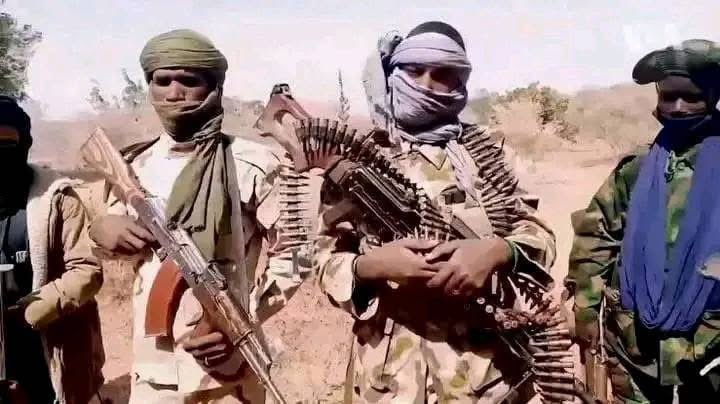
After conducting field interviews across victim communities in this zone over ten years, my research found that at least 95% of the perpetrators are of Fulani origin. This finding is broadly consistent with what credible international and Nigerian bodies have documented. Approximately 30,000 Fulani bandits operate in several groups in northwest Nigeria, with individual groups consisting of anywhere from 10 to 1,000 members. These are not loosely organized mobs. They are structured armed networks that have carved out territories, imposed illegal taxation on farming communities, and responded to resistance with lethal force.
This ethnic and religious identification of the bandits was confirmed publicly by one of Nigeria’s most senior political figures. In September 2021, then-Katsina State Governor Aminu Bello Masari, himself a Fulani man made an extraordinary admission on Channels Television’s “Politics Today” programme, stating that the bandits were “the same people like me, who speak the same language like me, who profess the same religious beliefs like me.” He added that “majority of those involved in this banditry are Fulanis, whether it is palatable or not, but that is the truth,” and noted that some fighters had infiltrated from West and North African countries, all of Fulani extraction. His candid acknowledgment effectively confirmed from within Nigeria’s political establishment what field researchers and affected communities had long documented.
What makes these groups particularly alarming is the level of weaponry in their possession. Bandit gangs notably downed a Nigerian Air Force Alpha Jet on 18 July 2021, a stunning demonstration of anti-aircraft capabilities. This is not the profile of ordinary criminals; it is the profile of an insurgent-level armed group[i].
The Religious Dimension in the Northwest
Framing the northwest violence purely as criminality or ethnic predation risks missing an important layer. ORFA data document a disproportionately high number of Christians among the dead in northwestern states, including Kaduna, Katsina, Sokoto, Zamfara, Katsina, and Kebbi states where Christians are a demographic minority. The targeting pattern is not random. Churches have been burned, Christian farming communities repeatedly selected for raids, and witnesses across multiple communities have reported attackers chanting Allahu Akbar during assaults. This does not make every attack a formally declared religious war, but it does mean that religion functions as a marker of who is targeted and who is spared in many attacks in the region.
The historical memory of the Usman Dan Fodio jihad of the early nineteenth century, which transformed the religious and political landscape of what is now northern Nigeria remains a live current in the identity of sections of the Fulani community. This does not reduce every Fulani herder to a jihadist. But it means the violence should be understood as ethno-religious in character: ethnicity and religion are intertwined as both motivation and method. The term “ethno-religious warfare” captures this more accurately than either “religious warfare” (as practised by Boko Haram and ISWAP) or plain criminality. Minority Christian communities in the Muslim northwest have come under attacks in a manner that suggests they are being targeted. For example, in Faskari LGA of Katsina state, the ORF four-year report shows a significant number of Christians killed. Considering the small population of Christians in the LGA, there is no better explanation to the number killed than being targeted.
Furthermore, the convergence between bandit groups and declared jihadist networks adds an additional dimension to an already dangerous situation. ISWAP and Boko Haram factions including Ansaru, Mahmuda, and Lakurawa have claimed attacks in northwest Nigeria, and some bandit groups have reportedly forged alliances with these jihadist organisations.
The economic impact has been devastating regardless of motive. Armed Fulani militant networks have inflicted catastrophic damage on Nigeria’s economy and governance, with deliberate destruction of farms and grain stores triggering soaring food prices and nationwide food insecurity, and millions displaced since the crisis began.
The Middle Belt: Armed Herdsmen and Ethno-Religious Targeting
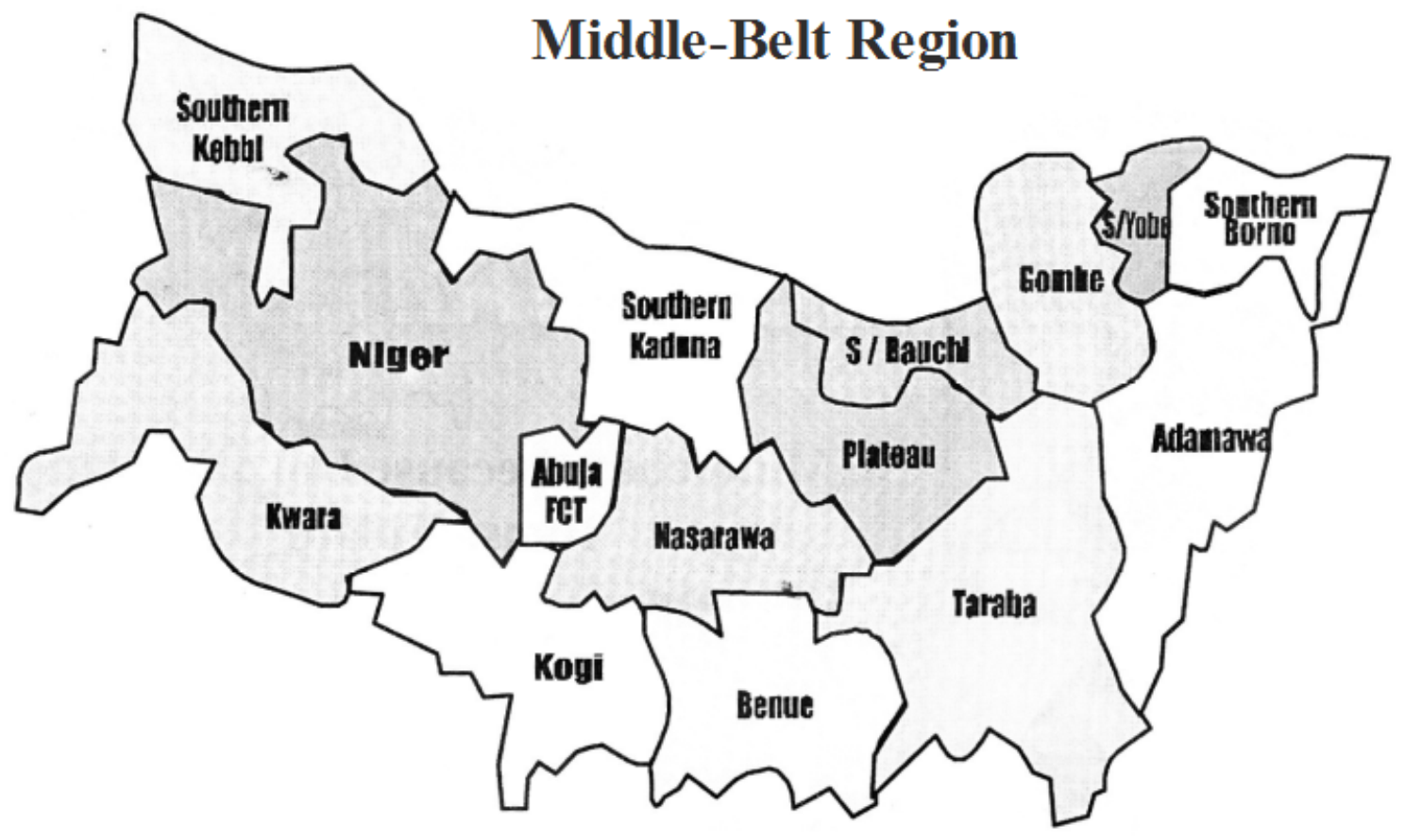
In Nigeria’s Middle Belt, covering states such as Plateau, Benue, Nasarawa, Taraba, Niger, and Kwara, the picture is similar in terms of perpetrator identity but different in framing. Here, the media refers to armed actors as “Armed Herdsmen” rather than bandits. My field research, spanning ten years of interviews in the Middle Belt, led me to the same conclusion as in the Northwest: over 95% of the perpetrators are of Fulani descent.
Attacks on 23 to 24 December 2023 in Plateau State left at least 200 people dead and more than 500 injured across no fewer than 20 rural communities in Bokkos and Barkin Ladi Local Government Areas, were attributed to Fulani militants. Less than two years later, on 14 June 2025, at least 258 Christians were brutally murdered in Yelwata, Benue State, in an attack attributed to armed Fulani militia fighters.
These are not isolated incidents. They form part of a sustained and escalating pattern of violence against settled farming communities, communities that are overwhelmingly Christian, carried out with apparent impunity and, in documented accounts, accompanied by religious invocations.
The Nasarawa Connection
Field research and security reporting have established that some of the most lethal Fulani militant groups operating across the Middle Belt do not simply emerge from within the states they attack. Several armed groups have maintained known encampments in Nasarawa State, using these as staging posts for coordinated raids into Plateau, Benue, Taraba, and other Middle Belt states. This cross-state operational pattern, attackers arriving, killing, and retreating to camps across state line has frustrated local security responses and allowed militant networks to strike with impunity while remaining outside the effective jurisdiction of any single state authority. This is not a local herder dispute; it is a coordinated militant operation with identifiable logistics, known geography, and a command structure that must be addressed at both federal and state levels.
Religious Markers in Middle Belt Attacks
The ethno-religious character of the Middle Belt attacks is well-documented, and the evidence is substantial. Across multiple states and many years of field interviews, survivors and witnesses have consistently reported the following:
Burning of churches. The deliberate targeting and destruction of Christian places of worship has been documented in attacks across Plateau, Benue, Taraba, and Southern Kaduna. In numerous incidents, church buildings are primary targets, not incidental casualties of fighting.
Chants of Allahu Akbar. Multiple survivor testimonies, corroborated by field researchers and documented record attackers chanting “God is Greatest” in Arabic during raids on Christian communities. This is not consistent with violence that has no religious dimension.
Targeting of pastors and their families. Church leaders have been disproportionately killed or abducted in attacks across the Middle Belt. The deliberate elimination of religious leaders signals an intent that goes beyond land and grazing disputes.
These patterns do not mean that every armed Fulani herder is motivated primarily by religion, or that ecological pressures are irrelevant. But when attackers burn churches, announce their actions in religious terms, and single out pastors for killing, the violence has crossed into ethno-religious territory that demands a different analytical and policy response.
Governor Elrufai’s Admission
The identity of the perpetrators responsible for killings in Southern Kaduna was confirmed by the state’s own governor. In December 2016, then-Kaduna State Governor Nasir Elrufai made a public admission that he had identified the killers as Fulani, including foreign Fulani fighters from Cameroon, Niger Republic, Chad, Mali, and Senegal. Rather than pursuing legal accountability, Elrufai disclosed that his government sent emissaries across borders to appeal to these individuals to stop the killings, because he, as governor, was Fulani like them. He stated plainly that he sent people to tell them “there is a new governor who is Fulani like them and has no problem paying compensations for lives lost and he is begging them to stop killing.”
What the World Needs to Understand
The violence in northern Nigeria is not random or faceless. Field research consistently points to identifiable armed groups, predominantly of Fulani origin, operating with sophisticated weapons, organised command structures, cross-state logistics, and ethno-religious motivations that make the label “farmer-herder conflict” dangerously inadequate.
Framing this crisis as mere “ethnic conflict” or “farmer-herder clashes” serves several false purposes: it implies mutual fault between two equal parties, it erases the religious dimension of targeting, and it obscures the organised, predatory, and often one-sided nature of attacks on civilian communities. ORFA data demonstrate clearly that Christians bear a disproportionate share of the killing, not only in the Middle Belt, where this might seem demographically predictable, but in northwestern states where Christians are a distinct minority. That pattern is not an accident of geography; it is evidence of targeting.
For policymakers, aid organisations, and international observers, understanding who the perpetrators are and what drives them is not an exercise in blame. It is a prerequisite for crafting responses that can actually protect lives. The communities I interviewed are not statistics. They are people who have survived raids, buried their dead, seen their churches burned, and are still waiting for meaningful intervention.
This crisis demands a response commensurate with its actual character: ethno-religious violence, prosecuted by organised armed groups, with identifiable actors, documented methods, and a regional geography that crosses state and national borders.
Steven Kefas has conducted field research across northern Nigeria for over ten years. Data referenced from ORFA (Observatory for Religious Freedom in Africa) is available at www.orfa.africa . For previous reporting on these communities, see the author’s coverage in www.middlebelttimes.com
Kaduna’s Broken Compass: Why Zoning Must Travel Beyond Abuja
By Steven Kefas
There is a quiet hypocrisy at the heart of Nigerian democracy, one that the political class has mastered the art of ignoring. We speak grandly of federal character, of inclusion, of ensuring that no region feels permanently shut out of power. We build this principle into party constitutions, into presidential tickets, into the unwritten codes that govern who gets to lead. And yet, when the lens shifts from the national stage to the states, the principle dissolves. Nowhere is this contradiction more glaring than in Kaduna State.
Since the return to civilian rule in 1999, Kaduna State has been governed almost exclusively by political figures from its predominantly Muslim north. This is not an accident of electoral mathematics. It is the product of deliberate choices made within the corridors of the Peoples Democratic Party and, later, the All Progressives Congress, choices that have consistently elevated northern Kaduna at the expense of the state’s Christian-majority south. In a state where the population is almost evenly divided between north and south, between Muslim and Christian, this pattern is not merely a political inconvenience. It is a wound that festers quietly beneath the surface of every election cycle.
The lone, luminous exception came not through the foresight of party leaders, but through the intervention of fate. When President Goodluck Jonathan appointed Governor Namadi Sambo as his Vice President in 2010, the governorship fell almost by accident to Sir Patrick Ibrahim Yakowa, a Christian from southern Kaduna who was then deputy governor to Sambo. Yakowa proved that the fears used to justify exclusion were unfounded. He governed with competence and dignity, won election in his own right in 2011, and built a coalition that crossed religious and regional lines. His victory was historic. The violence that greeted it in parts of the north was a sobering reminder of how deeply the politics of exclusion had poisoned the well.
Then, in December 2012, Yakowa perished in a helicopter crash. Power returned, as if by gravitational pull, to the northern part of the state. The brief window had closed. And in the decade-plus since, neither the PDP nor the APC has shown the political will to revisit what that window revealed: that Kaduna’s south is ready, capable, and deserving of a turn at the helm.
This context matters enormously as Nigeria’s political class turns its attention to the emerging Nigeria Democratic Congress. The NDC has already made a statement of intent by zoning its presidential candidacy to the south, with former Anambra Governor Peter Obi widely tipped as the consensus candidate. It is a credible, principled gesture, one that signals the party understands the logic of inclusion that has undergirded national politics since 1999. But a party that champions inclusion at the top while tolerating exclusion at the state level is not a party of principle. It is a party of convenience.
The question analysts are beginning to ask and that the NDC’s leadership must answer directly is whether the party’s commitment to fairness will cascade downward into the states. Will the NDC, as it builds its structures in Kaduna, demonstrate the courage that the PDP and APC have consistently lacked? Will it zone its governorship ticket to the south of the state, to a zone that has held the position for only a fleeting, grief-cut tenure in over twenty-five years of democracy?
The case for doing so is not merely sentimental. It is strategic. Southern Kaduna carries deep reservoirs of political grievance, grievances born not of imagination but of lived experience. Communities that have endured cycles of violence, displacement, and political marginalisation do not need more promises. They need the concrete, visible proof that democracy means something for them too. A party that offers that proof in Kaduna will not simply win votes. It will build loyalty of a different and more durable kind.
There are those who will argue that zoning is a blunt instrument, that merit should prevail over geography. It is a reasonable objection, and in a mature democracy with a level political field, it would carry great weight. But Nigeria’s political field is not level. It has been tilted, in state after state, by the accumulated weight of incumbent advantage, party gatekeeping, and the quiet veto of those who benefit from the status quo. In such conditions, zoning is not an abandonment of merit. It is the scaffolding that gives merit the chance to be seen.
Nigeria’s democracy turns twenty-seven this year. It has produced much to be proud of: peaceful transfers of power, a vibrant press, citizens increasingly willing to hold leaders accountable. But it has also produced stubborn patterns of exclusion that no amount of constitutional rhetoric has dislodged. If the NDC is to represent something genuinely new and not merely a reshuffling of old political elites under a fresh banner it must be willing to do in the states what it is doing at the centre.
Patrick Yakowa did not govern Kaduna as a southern Christian. He governed it as a Kaduna man, and the state was better for it. His story is both an argument and an invitation, an argument that inclusion works, and an invitation to every political party with the courage to take it seriously. The NDC now stands at that threshold. What it decides about Kaduna and about states like it across the federation will tell us whether it has truly read the lesson that Nigeria’s history has been trying, with such patience, to teach.
Beyond its own electoral fortunes, the NDC has an opportunity that few parties in Nigeria’s history have been handed: to become a model. The PDP governed for sixteen years and entrenched the very imbalances it once promised to dismantle especialli at state levels. The APC rode to power on the language of change and proceeded, in state after state, to replicate the exclusions it had condemned. If the NDC is serious about being different, let it demonstrate that seriousness not only in its presidential ticket but in every senatorial zone, and governorship race it contests. Let it be the party that other parties are embarrassed to ignore, the standard against which Nigerian voters begin to measure political seriousness. Equity and fairness should not be the NDC’s campaign slogan. They should be its operating system.
■
Captivity by Creed: The Religious Sorting System Nobody Talks About
…Inside the two-tier captivity system of Fulani ethnic militias — where faith determines who suffers, how much a life is worth, and whether a hostage comes home at all.
By Steven Kefas
May 2026
The terrorists conveniently called bandits by the media had a rule. They stated it plainly, in the open, in front of their captives: Fulani people would not be taken. They were brothers. Christians and certain Muslims majorly non-Fulani were fair game. What happened next depended entirely on which category you fell into.
Sunday Cletus was abducted on 28 February 2026, while travelling through Kachia Local Government Area in Kaduna State. What he witnessed and endured over the days that followed was not random cruelty. It was, according to his account and the findings of extensive field research spanning multiple states and multiple years, a system, deliberate, consistent, and organised around two variables: religion and ethnicity.
The differential treatment of Muslim and Christian abductees by Fulani Ethnic Militias (FEM) in Northern Nigeria is among the most under-documented dimensions of a security crisis that has displaced hundreds of thousands and left communities across Kaduna, Plateau, Kogi, and the wider Middle Belt and northwest regions in a state of sustained terror. While public attention has focused on the frequency and geography of attacks, which villages were raided, how many were killed, the testimony of survivors reveals that what happens after capture is equally telling, and equally horrifying.
‘They Are Our Brothers’
The classification begins at the point of abduction. Cletus reported that his captors were explicit: Fulani individuals were not to be targeted because of ethnic solidarity. The instruction was not whispered or implied. It was declared. In that moment of capture, a sorting mechanism was set in motion that would govern every subsequent hour of captivity.
This is not a single camp, a single commander, or a single incident. Field interviews conducted across multiple states over several years return the same account with remarkable consistency: from the moment of capture, Muslim abductees and Christian abductees enter different realities.
“For a Christian in Southern Kaduna, the danger of being kidnapped is compounded by the near certainty of harsher treatment, higher ransom demands, and a meaningfully greater risk of death, not because of anything they have done, but because of their faith.” Says a retired security personnel who spent 4 months in captivity in Southern Kaduna.
Inside the Two-Tier System
Survivor testimonies describe a captivity environment divided into two parallel experiences. Muslim abductees are, in the words of multiple survivors, treated with a degree of restraint. They are generally not subjected to the physical and sexual violence that Christian captives endure as a matter of routine. They receive adequate food. They are permitted relative freedom of movement within the camp. In documented cases, they have been allowed to observe religious obligations. The logic, as captors have articulated it in the presence of Muslim detainees, is one of communal solidarity, a fellow Muslim, however different in ethnicity or background, is assigned a different moral status.
For Christian captives, the experience is of another order entirely. Men are beaten systematically not as punishment for specific behaviour, but as a baseline condition of captivity. Women face the additional horror of sexual violence. Cletus described an environment in which abuse was pervasive, in which captives were entirely at their captors’ mercy, and in which psychological torment was deployed as deliberately as physical violence. Christian abductees are subjected to prolonged uncertainty, repeated threats of execution, and in documented cases, forced to witness violence against fellow captives as a mechanism of coercion and terror.
There are exceptions. Field research has documented cases in which non-Fulani Muslim abductees were also treated harshly, suggesting that ethnicity intersects with religion in complex ways. But the pattern holds across the breadth of the data: faith is the dominant variable.
The Price of Faith: Ransom Asymmetry
The differential does not end with conditions in captivity. It extends into the financial machinery of release. Across field interviews with survivors and families in the north central region and parts of the northwest, a consistent pattern emerges: Muslim abductees are released on comparatively lower ransoms, negotiations are shorter, and in several documented cases, Fulani community intermediaries with informal access to the armed groups have facilitated release with minimal negotiation.
For Christian families, the process is an ordeal of a different kind. Demands are higher. Timelines stretch for weeks. The threat of lethal consequences for delay or non-compliance is more frequently and more credibly invoked. Field interviews document cases in which families gathered and paid the full ransom demand, only to receive no release, followed by escalating demands. In some cases, Christian abductees were killed even after their families complied.
The death that Sunday Cletus described witnessing, a teenage boy executed because his family did not initiate negotiations quickly enough is not an aberration. It is an example of a broader operational logic in which a Christian life is assigned a lesser and more conditional value, one that can be cancelled at will.
A Religious Hierarchy of Human Worth
What emerges from years of field testimony is not a picture of chaotic, opportunistic violence. It is a picture of a system, one with internal rules, consistent practices, and an embedded hierarchy. Religion functions as a determinant of fate at every stage of the abduction experience: who gets taken, how they are treated in captivity, on what terms they may be released, and whether they survive.
This pattern is consistent across multiple states, multiple armed groups, and multiple years of survivor testimony. It is not incidental variation between individual captors. It is, as the evidence compels us to describe it, a religious hierarchy of human worth embedded in the operational logic of Fulani Ethnic Militias.
The implications reach beyond security analysis. The same sorting mechanism documented in community attacks where Muslim members of mixed villages are spared while their Christian neighbours are killed is replicated and deepened inside the captivity system itself. Faith does not merely determine who is attacked. It determines what they endure, how much their life is worth in negotiation, and whether they return.
The Reckoning
Sunday Cletus came home. Many do not. His testimony, set against the accumulated weight of survivor accounts gathered across the region over years, forces a confrontation with a dimension of Northern Nigeria’s security crisis that policy discussions have consistently failed to address with adequate seriousness.
The violence is not indiscriminate. The suffering is not evenly distributed. And the religious character of the crisis does not begin and end with the moment of attack. It permeates the entire machinery, the raid, the abduction, the camp, the negotiation, the release, or the execution. Until that reality is named plainly and confronted directly, the communities living under it will continue to bear its weight largely alone.
…Steven Kefas is an investigative journalist, Senior Research Analyst at the Observatory for Religious Freedom in Africa, and Publisher of Middle Belt Times. He has documented religious persecution, terrorism and forced displacement in Nigeria’s Middle Belt for over decade
Middle Belt Concern Issues Global SOS: Remove Nigeria’s NSA, Stop the Killings, or Face a Regional Catastrophe
By Steven Kefas
(Abuja, Nigeria), They came during Palm Sunday. They came during Easter. As Christian families gathered in prayer across Nigeria’s Middle Belt, armed men descended on their villages, burning homes, raping women, killing children, and driving entire communities into the bush. These were not random acts of chaos. They were calculated, coordinated, and chillingly timed.
Now, a coalition of more than eighty civil society organisations has decided that silence is no longer an option. On April 24, 2026, Middle Belt Concern launched an urgent international petition, calling on the United Nations, the African Union, ECOWAS, the European Parliament, and the governments of the United States, United Kingdom, and other democratic nations to intervene in what it formally describes as an ongoing genocide against predominantly Christian farming communities in Nigeria’s heartland.
The ten-page petition titled Stop the Genocide in Nigeria’s Middle Belt & Avert a Looming Refugee Crisis in West Africa is both a cry for help and a damning indictment of a government that, the coalition alleges, has watched, wavered, and in some cases, enabled the carnage.
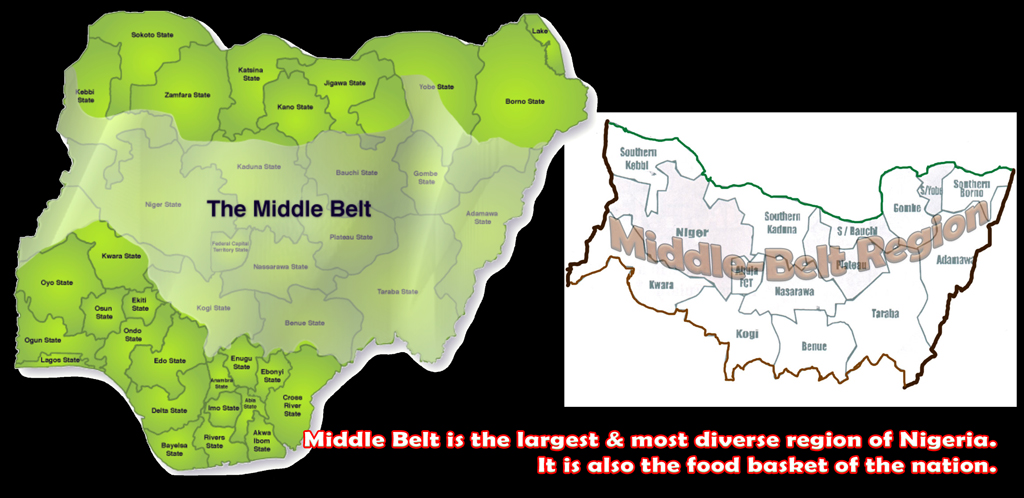
The Middle Belt is no peripheral region. Stretching across states including Benue, Kaduna, and Nasarawa, it is home to over 50 million people, representing more than 400 indigenous ethnic nationalities. It is also Nigeria’s primary food-producing zone, the breadbasket of Africa’s most populous nation. For years, its farming communities have suffered relentless attacks by Islamist terrorist groups and armed Fulani militia. Villages reduced to ash. Harvests abandoned. Generations of indigenous life erased.
The numbers are staggering. Millions have been forcibly displaced. Entire communities that have farmed the same land for centuries now live as refugees within their own country, sheltering in camps or cramped urban fringes while strangers occupy their ancestral homelands.
And yet, according to Middle Belt Concern, the Nigerian government’s response has not been protection, it has been paralysis, at best, and complicity, at worst.
At the heart of the coalition’s fury is Nigeria’s Office of the National Security Adviser (ONSA), the body that coordinates the country’s intelligence and security architecture. The coalition alleges that ONSA has presided over decades of catastrophic intelligence failures, selective law enforcement, and a disturbing pattern of preferential treatment toward the very perpetrators of these attacks.
Most alarming is the characterisation by the current National Security Adviser of violent terrorists as “brothers who want peace” , a description the coalition calls not only tone-deaf, but deeply revealing of bias at the highest levels of Nigeria’s security leadership. This is the same office, Middle Belt Concern notes, that has championed the country’s Disarmament, Demobilisation, Rehabilitation and Reintegration (DDRR) programme — a policy that offers rehabilitation packages to so-called “repentant terrorists” while their victims remain landless, traumatised, and without justice.
The coalition is also raising urgent alarm about mining activities continuing in conflict zones where indigenous populations have been violently expelled. These operations, they argue, are not incidental to the violence, they are incentivising it. Terror, in this reading, has become a business model for land seizure, and the Nigerian state, through its inaction, is a silent partner.
The consequences of continued inaction, the coalition warns, will not be contained within Nigeria’s borders. As Africa’s largest country by population, Nigeria’s instability has a gravitational pull on the entire sub-region. A spiralling humanitarian catastrophe in the Middle Belt could trigger mass refugee flows into neighbouring West African states, nations that are already grappling with their own fragile security environments. What begins as a domestic failure of protection could rapidly metastasise into a regional crisis with global ramifications.
Middle Belt Concern is therefore demanding that the international community bring firm diplomatic, legal, and economic pressure to bear on Nigeria, not out of interference, but out of a moral obligation that the post-Holocaust promise of “never again” actually means something.
Their demands are clear: restructure Nigeria’s national security leadership, beginning with the immediate removal of the National Security Adviser; halt all mining in terror-affected regions; ensure the safe return of all displaced persons; deliver reparations to survivors; end the DDRR programme that rewards terrorists; and invite independent international press to document what is happening without reliance on government narratives.
The farms lie fallow. The churches stand burned. The survivors wait.
The world has been given the facts. The only question now is whether it will choose to act before the Middle Belt becomes yet another entry in history’s long, shameful catalogue of genocides the international community watched unfold in real time and did nothing to stop.
To read the full petition or add your voice, visit: https://bit.ly/NigeriaMBCPetition10Apr26