


Middle Belt Concern Issues Global SOS: Remove Nigeria’s NSA, Stop the Killings, or Face a Regional Catastrophe
By Steven Kefas
(Abuja, Nigeria), They came during Palm Sunday. They came during Easter. As Christian families gathered in prayer across Nigeria’s Middle Belt, armed men descended on their villages, burning homes, raping women, killing children, and driving entire communities into the bush. These were not random acts of chaos. They were calculated, coordinated, and chillingly timed.
Now, a coalition of more than eighty civil society organisations has decided that silence is no longer an option. On April 24, 2026, Middle Belt Concern launched an urgent international petition, calling on the United Nations, the African Union, ECOWAS, the European Parliament, and the governments of the United States, United Kingdom, and other democratic nations to intervene in what it formally describes as an ongoing genocide against predominantly Christian farming communities in Nigeria’s heartland.
The ten-page petition titled Stop the Genocide in Nigeria’s Middle Belt & Avert a Looming Refugee Crisis in West Africa is both a cry for help and a damning indictment of a government that, the coalition alleges, has watched, wavered, and in some cases, enabled the carnage.
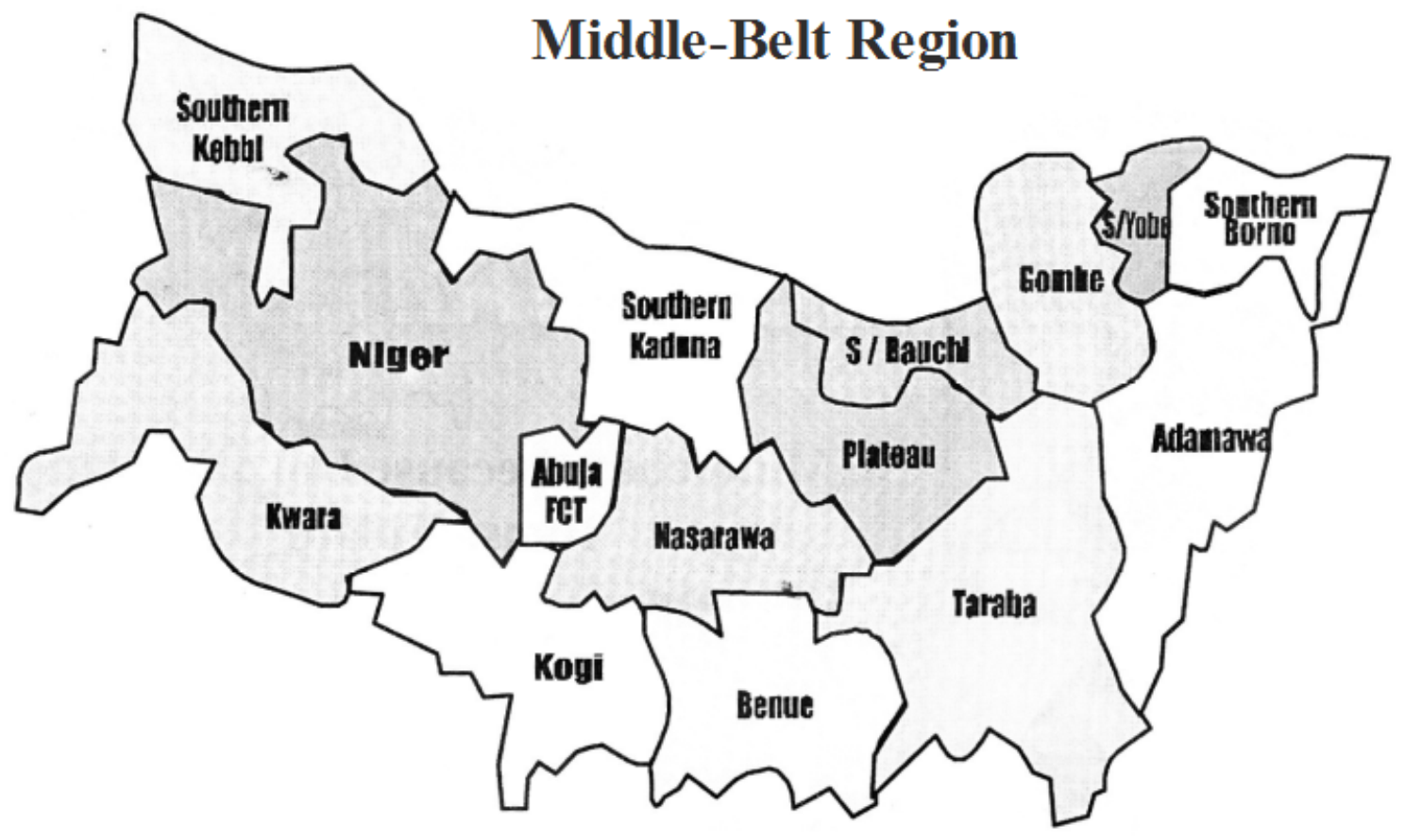
The Middle Belt is no peripheral region. Stretching across states including Benue, Kaduna, and Nasarawa, it is home to over 50 million people, representing more than 400 indigenous ethnic nationalities. It is also Nigeria’s primary food-producing zone, the breadbasket of Africa’s most populous nation. For years, its farming communities have suffered relentless attacks by Islamist terrorist groups and armed Fulani militia. Villages reduced to ash. Harvests abandoned. Generations of indigenous life erased.
The numbers are staggering. Millions have been forcibly displaced. Entire communities that have farmed the same land for centuries now live as refugees within their own country, sheltering in camps or cramped urban fringes while strangers occupy their ancestral homelands.
And yet, according to Middle Belt Concern, the Nigerian government’s response has not been protection, it has been paralysis, at best, and complicity, at worst.
At the heart of the coalition’s fury is Nigeria’s Office of the National Security Adviser (ONSA), the body that coordinates the country’s intelligence and security architecture. The coalition alleges that ONSA has presided over decades of catastrophic intelligence failures, selective law enforcement, and a disturbing pattern of preferential treatment toward the very perpetrators of these attacks.
Most alarming is the characterisation by the current National Security Adviser of violent terrorists as “brothers who want peace” , a description the coalition calls not only tone-deaf, but deeply revealing of bias at the highest levels of Nigeria’s security leadership. This is the same office, Middle Belt Concern notes, that has championed the country’s Disarmament, Demobilisation, Rehabilitation and Reintegration (DDRR) programme — a policy that offers rehabilitation packages to so-called “repentant terrorists” while their victims remain landless, traumatised, and without justice.
The coalition is also raising urgent alarm about mining activities continuing in conflict zones where indigenous populations have been violently expelled. These operations, they argue, are not incidental to the violence, they are incentivising it. Terror, in this reading, has become a business model for land seizure, and the Nigerian state, through its inaction, is a silent partner.
The consequences of continued inaction, the coalition warns, will not be contained within Nigeria’s borders. As Africa’s largest country by population, Nigeria’s instability has a gravitational pull on the entire sub-region. A spiralling humanitarian catastrophe in the Middle Belt could trigger mass refugee flows into neighbouring West African states, nations that are already grappling with their own fragile security environments. What begins as a domestic failure of protection could rapidly metastasise into a regional crisis with global ramifications.
Middle Belt Concern is therefore demanding that the international community bring firm diplomatic, legal, and economic pressure to bear on Nigeria, not out of interference, but out of a moral obligation that the post-Holocaust promise of “never again” actually means something.
Their demands are clear: restructure Nigeria’s national security leadership, beginning with the immediate removal of the National Security Adviser; halt all mining in terror-affected regions; ensure the safe return of all displaced persons; deliver reparations to survivors; end the DDRR programme that rewards terrorists; and invite independent international press to document what is happening without reliance on government narratives.
The farms lie fallow. The churches stand burned. The survivors wait.
The world has been given the facts. The only question now is whether it will choose to act before the Middle Belt becomes yet another entry in history’s long, shameful catalogue of genocides the international community watched unfold in real time and did nothing to stop.
To read the full petition or add your voice, visit: https://bit.ly/NigeriaMBCPetition10Apr26