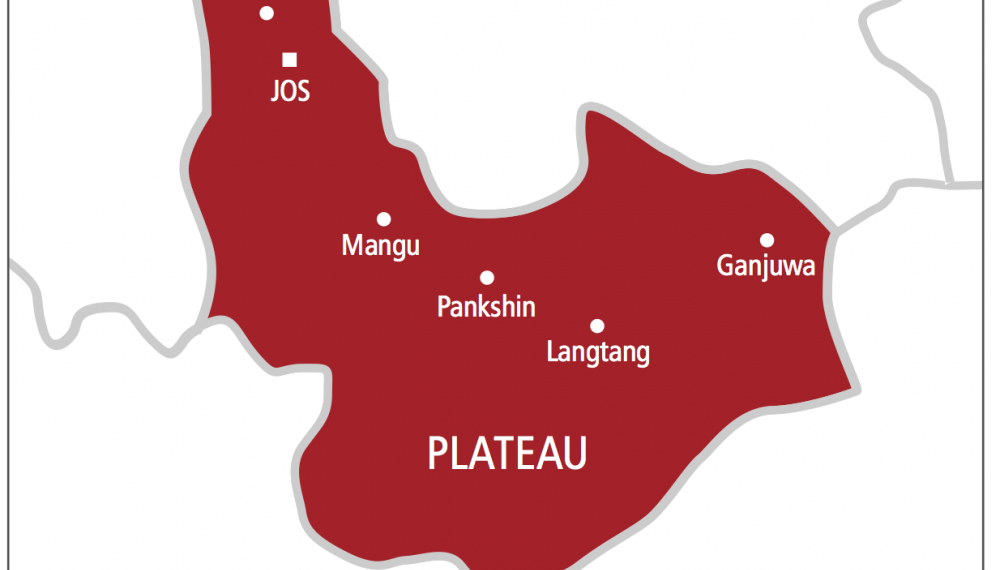
Plateau SSG’s Convoy Evades Terrorist Ambush in Bokkos

Jos, Plateau State— In a dramatic confrontation that eerily mirrors the security situation in the state, the Secretary to the Government of Plateau State, Mr. Samuel Jatau, narrowly escaped an ambush by terrorists suspected to be Fulani Ethnic Militias (FEM) on Sunday during a humanitarian visit to communities devastated by recent attacks in Bokkos Local Government Area.

The incident, which unfolded near Hurti community in Monguna district, stands as a stark reminder of the persistent security challenges in Nigeria’s Middle Belt region

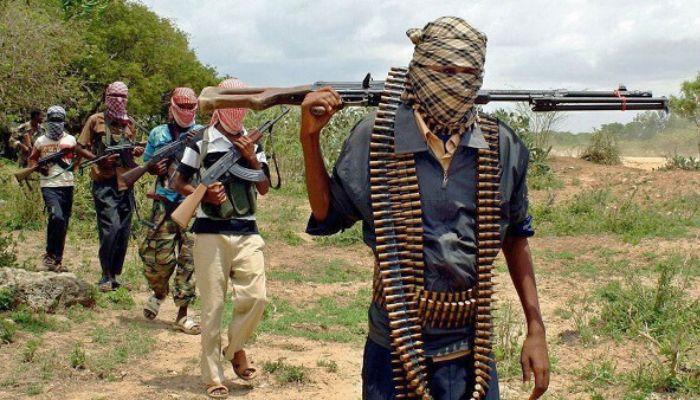
As Mr. Jatau’s convoy approached the area, gunmen concealed in surrounding terrain opened fire, likely planning to execute another devastating attack. However, unlike countless previous incidents in the state, the security team’s swift and effective response forced the attackers to retreat into nearby mountains, a security personnel who witnessed the incident told MBT.

“I lack words to express my sorrow and anger. We just tested what these communities are feeling,” recounted a visibly shaken Jatau. “I was looking at my phone in the car when I suddenly heard gunshots. When I looked up, I saw two young men running into the bush, armed with guns.” Jatau told journalists after the incident.

The attack came just days after a deadly raid that claimed over 40 lives in the same area, part of a troubling pattern of violence that has plagued several regions in Nigeria’s Middle Belt. Yet security experts note that the quick repulsion of the attackers demonstrates a marked improvement in tactical response—similar to developments that have helped stabilize Southern Kaduna after years of devastating conflict.

“We saw the destruction firsthand. Over 40 people were killed, homes were destroyed, and entire livelihoods were wiped out,” Jatau continued, describing the aftermath of the previous attack. “The terrorists looted essential goods like 26 bags of potatoes worth N80,000 each from one home. These are peasant farmers; how do they recover from this? We must do better than this as a country.” The SSG said.

Bokkos local government has come under sustained deadly attacks by terrorists in recent months. In December 2023, over 200 people, including women and children, were brutally murdered by FEM militias who launched coordinated attacks across 25 villages on Christmas Eve.

Eagle Brain Fights for Justice: Nigerian Worker’s Eye Injured in Attack by Turkish Manager

Eagle Brain Human Rights Organization led a protest yesterday in Kaduna demanding justice for Mr. Thompson Emmanuel, who was allegedly assaulted and detained following a dispute with his former employer at a Turkish company operating within the Kaduna Refining and Petrochemical Company (KRPC) complex.

According to Emmanuel, the incident occurred on October 25, 2024, when he approached the Personnel Manager of Motech United Industry Limited, Mr. Gencayl, to discuss outstanding payments following his disengagement from the company. Emmanuel, who worked as a welder for the KRPC maintenance contractor, claims the situation escalated into violence.

“I went to discuss my pending payments with him, but he questioned why I was in his office,” Emmanuel recounted. “After an argument erupted, he struck my head repeatedly with a helmet.” The assault allegedly resulted in head injuries and trauma to one of Emmanuel’s eyes.

Rather than providing medical attention, Emmanuel alleges that the company handed him over to DSS (Department of State Services) personnel stationed at the facility. “I couldn’t afford proper hospital treatment and had to resort to getting basic care from a local chemist,” Emmanuel said, explaining his decision to seek help from Eagle Brain.

The protesters, carrying placards with messages such as “You must respect the rights of our citizens” and “Justice must be served,” were eventually granted access to the KRPC compound for discussions with management.

Mr. Daniel Ejembi, Chief Executive Officer of Eagle Brain, spoke to journalists after meeting with company officials. “We became involved after Mr. Emmanuel reported this violation of his rights,” Ejembi stated. “Our organization is demanding appropriate compensation for the victim and ensuring that justice is served.”

According to Ejembi, the company has agreed to provide medical treatment for Emmanuel and is considering their demands, while also requesting leniency for their staff member. “While we await the fulfillment of their promises, we are pursuing legal action to ensure accountability,” he added. “We want this case to serve as a deterrent against the victimization of workers.”

Attempts to reach Motech United Industry Limited for comment were unsuccessful, as security personnel denied media access to the KRPC premises.

The incident has raised concerns about the treatment of local workers by foreign companies operating in Nigeria, with Eagle Brain emphasizing the need for better protection of workers’ rights and proper grievance resolution mechanisms.

Blind Justice: New Report Exposes Unchecked Slaughter in Nigeria’s Middle Belt

…Data Mapping Shows disproportionate killings of Christians

By Steven Kefas

In a damning indictment of Nigeria’s security apparatus, a four-year study has revealed a stark disparity in the government’s response to terrorist activities across the country. The report, released by the Observatory of Religious Freedom in Africa (ORFA), paints a grim picture of unchecked violence in Nigeria’s Middle Belt, particularly in the North Central Zone and Southern Kaduna.

The study, which spans from October 2019 to September 2023, documented over 55,000 killings and mapped thousands of farm massacres and mass abductions. Perhaps most alarming is the revelation that a little-known terror group, the Fulani Ethnic Militia (FEM), has been carrying out mass killings hundreds of times a year in this region with apparent impunity.

According to the report, the North Central zone alone witnessed 3,007 incidents of extreme violence during the study period. Of these, 2,010 incidents involved killings, 700 were abduction incidents, and 297 were a combination of both.

The data mapping reveals a troubling pattern: while security operations are concentrated in the North-East and North-West of Nigeria, the scenes of FEM atrocities in the Middle Belt remain largely unattended. This glaring disparity has left millions of civilians undefended against brutal attacks.

Frans Vierhout, Senior Analyst at ORFA, noted, “For years, we’ve heard of calls for help being ignored, as terrorists attack vulnerable communities. Now the data tells its own story.”

The report’s findings are stark:

  1. Of the 55,910 people killed in the context of terror groups in Nigeria within the four years, the Fulani Ethnic Militia (FEM) was responsible for at least 42% of all civilian deaths. This far outstrips the combined 10% attributed to Boko Haram and ISWAP (Islamic State West Africa Province).
  2. Land-based community attacks form the largest category of civilian killings (81%), with FEM invading small Christian farming settlements to kill, rape, abduct, and burn homes.
  3. Christians are disproportionately affected, with 2.7 Christians killed for every Muslim in the reporting period. In states where attacks occur, the proportional loss to Christian communities is 6.5 times higher than that of Muslim communities.

The report also highlights the escalating trend of abductions, another hallmark of Islamist terror in the region. The number of people abducted rose dramatically from 1,665 in 2020 to 7,705 in 2022, with a slight decrease to 6,255 in 2023. Christians are 1.4 times more likely to be abducted than Muslims, and in terms of local populations, the ratio rises to 5.1 Christians for every Muslim abducted.

The Rev. Dr. Gideon Para-Mallam, an analyst partnering with ORFA, emphasized the targeted nature of these attacks: “Fulani Ethnic Militia (FEM) are targeting Christian populations, while Muslims also suffer severely at their hands. Kidnappers work to Islamist goals. Where young women are kidnapped, tortured and sexually violated, hope for normal married life, and family, may vanish.”

The humanitarian impact of this unchecked violence is staggering. By the end of 2023, the International Displacement Monitoring Centre reported that 3.3 million Nigerians were forcibly displaced from their homes, surviving in makeshift camps.

As the Middle Belt continues to bleed, the authors of the ORFA data project have urged the international community to examine the data and do more to fully understand the scale of the challenge facing Nigeria. The report serves as a wake-up call, not only to the Nigerian government but to the global community, highlighting the urgent need for a more balanced and effective approach to combating terrorism across all regions of Nigeria.

The silence in the face of such widespread atrocities raises serious questions about the Nigerian government’s commitment to protecting all its citizens equally. As the Middle Belt bears the brunt of this unchecked violence, the cry for justice grows louder, demanding immediate and decisive action to stem the tide of bloodshed and restore peace to this beleaguered region.

Innovation in Defence: DICON-TETFund Partnership Poised to Revolutionize Nigeria’s Security Landscape

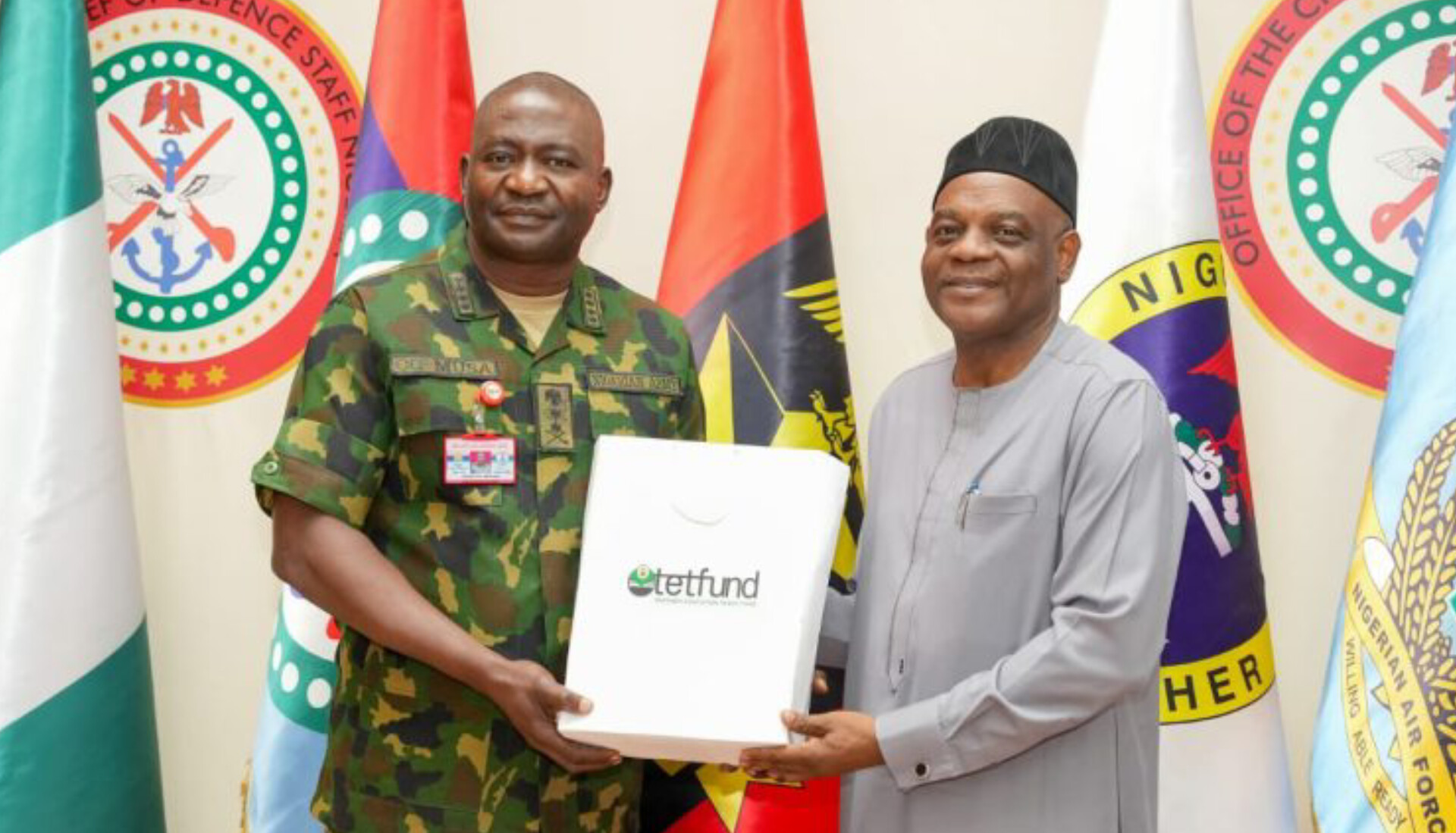
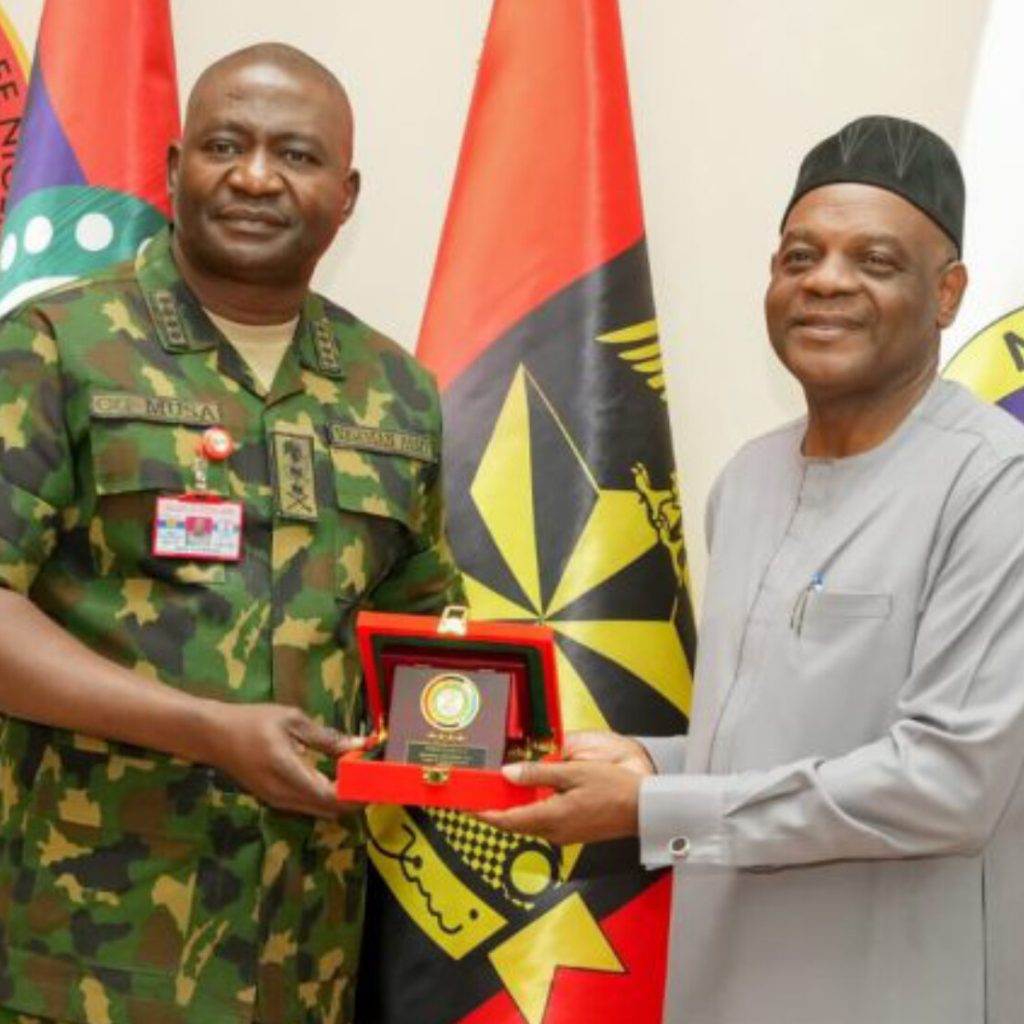
In a significant move that could reshape Nigeria’s security landscape, the Chief of Defence Staff (CDS), General Christopher Musa, has called for a strategic partnership between the Defence Industries Corporation of Nigeria (DICON) and the Tertiary Education Trust Fund (TETFund). This collaboration is expected to drive innovation within the defence sector through enhanced academic engagement and research.

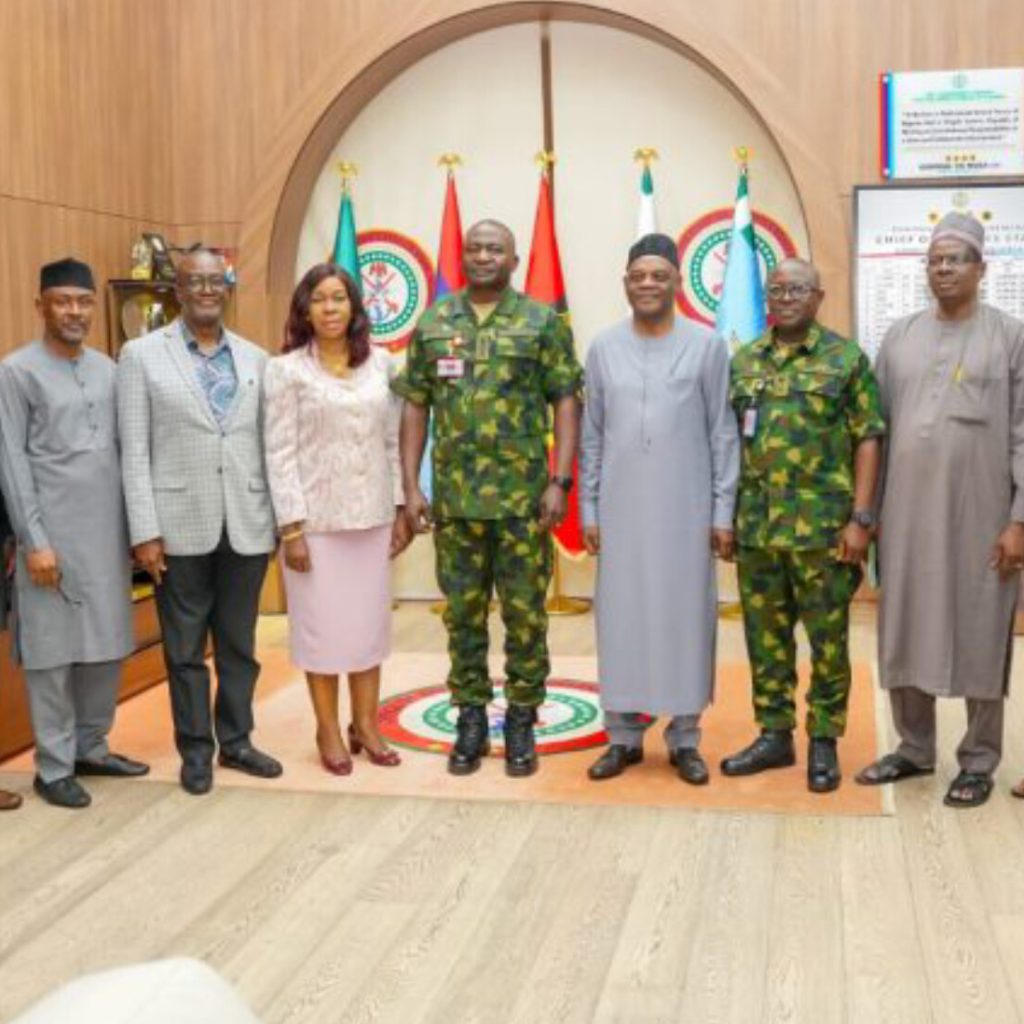
The partnership discussion was highlighted during a courtesy visit by Mr. Sonny Echono, the Executive Secretary of TETFund, to the Chief of Defence Staff in Abuja. General Musa emphasized the critical role that education plays in advancing military capabilities, pointing out that a well-educated force is essential for the effective and efficient delivery of defence services. According to him, the synergy between defence and academia could lead to unprecedented technological advancements that would significantly bolster national security.

“DICON, as our key defence production body, stands to gain immensely from the research capabilities of Nigerian universities,” General Musa stated. “This partnership with TETFund will not only enhance our technological output but will also place Nigeria on the global map as a leader in defence innovations.”

Mr. Echono, in his remarks, underscored the importance of integrating academic research with practical military applications. He praised the Armed Forces for their ongoing support of educational initiatives, noting that the stability provided by the military has allowed for significant progress in the country’s educational sector despite the challenges posed by insecurity.

“The Armed Forces have always been at the forefront of supporting innovation,” Mr. Echono said.

Source: Voice of Nigeria (VON)

Army Defends Generals Accused Of Diverting Troops’ Allowances

The Nigerian Army, on Monday, refuted reports alleging the diversion of the Ration Cash Allowance of troops deployed to secure Chinese nationals working at the ongoing Zungeru Hydro Electricity Dam Project in Niger State.

In a report by some online media platforms last week, some troops alleged that they had not been paid their RCA for three months by their erstwhile Commanding General Officers, Maj. Gen. Alabi and Brig. Gen. Jamiu Jimoh, accusing them of diverting their allowance.

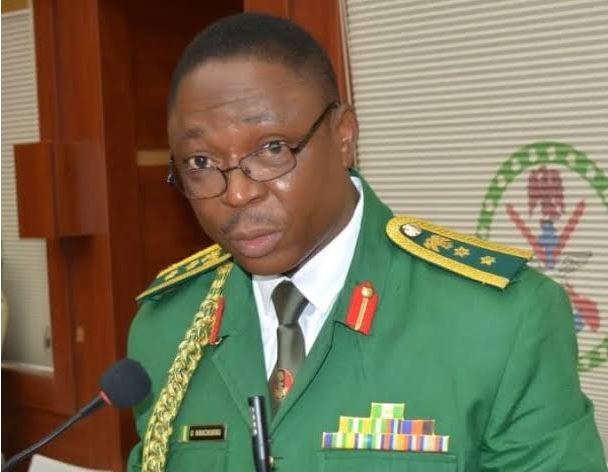
However, the Director, Army Public Relations, Brig. Gen. Onyema Nwachukwu, in a statement on Monday, said the service under the current leadership had zero tolerance for any form of financial misappropriation among other actions which could dampen the morale of troops.

He noted that after investigating the claims in the report, the service found that the allegations were incorrect.

Onyema explained that the allowance was paid in tranches, noting that the last part had been on February 28, 2023.

He added that while the next tranche was being processed, the service had paid the affected troops allowance from March to June.

He said, “Preliminary investigation reveals that troops deployed to the Chinese company in Niger State have always been paid in tranches by the NA on receipt of the funds from the institution concerned.

“Accordingly, the last tranche payment of RCA by the affected institution for the troops deployed, elapsed on February 28, 2023. While the next tranche of payment is being processed, Army Headquarters has paid the troops covering the period March 1 to June 30, 2023, in a bid to ameliorate the operating conditions of the troops and keep them at par with deployments elsewhere.

“Additionally, to cushion the effect of the tranche mode of payment, provision was made to feed the troops daily and this has been a routine. The troops’ RCA was, therefore, not diverted by any of the senior officers named in the publication or anyone else, as wrongly portrayed.”

SOURCE: Punch

Civil Rights Group Condemns killing Of Security Operatives In Imo

The Centre for Human Rights Advocacy and Wholesome Society (CEHRAWS), a civil rights organisation has described as tragic, the events that unfolded in Ehime Mbano in Imo State, where dedicated security personnel were killed by unknown assailants.

CEHRAWS, in statement signed by Okoye Chuka Peter, its executive director, and made available to BusinessDay in Aba, frowned at violence and called for swift justice for the perpetrators.

It extended its heartfelt condolences to the families affected by the horrifying murder of the security personnel on duty in Ehime Mbano Local Government Area (LGA) of Imo State.

CEHRAWS however, said that it found itself compelled to address the distressing state-sponsored mass atrocity that followed, camouflaged as a reprisal attack.

“This approach, rooted in retaliation, stands as a deeply disturbing and primitive means of enforcing law and order. CEHRAWS categorically condemns such actions, recognising that they not only violate human rights, but also exacerbate the cycle of violence and mistrust within the region,” it said.

Drawing attention to a different response in Niger State, where a comparable incident occurred, CEHRAWS commends the governor’s proactive measures to protect the citizens, following an attack on a military jet, allegedly by bandits.

“This responsible leadership prioritised the safety and well-being of the people, emphasising dialogue and conflict resolution over vengeful actions.

“CEHRAWS earnestly calls upon the Governor of Imo State to emulate the responsible and compassionate leadership demonstrated by his counterpart in Niger State, as the chief security officer of his state.

“Rather than allowing the aggrieved security agents to resort to reprisal attacks that target innocent civilians of the said community,” the group said.

They implored the governor to prioritise the protection of his constituents and the restoration of peace within the affected community.

It also advocated for a transparent and impartial investigation into the events that transpired in Ehime Mbano.

The group observed that primary goal of security operatives should be the swift apprehension and just prosecution of those responsible for the murder of their colleagues and not retaliation, which it noted was the path toward enduring peace and stability within the cherished South-East region.

“CEHRAWS remains resolute in its commitment to advocating for human rights, justice, and an inclusive society for all,” it said.

The group called on all stakeholders, including government authorities, civil society organisations, and concerned citizens, to join it in condemning violence, safeguarding human rights, and nurturing an environment of peace and reconciliation in the South-East.

SOURCE: BusinessDay

World Peace Day: Para-Mallam Peace Foundation Pays Courtesy Visit to 3 Div GOC in Jos

By Steven Kefas

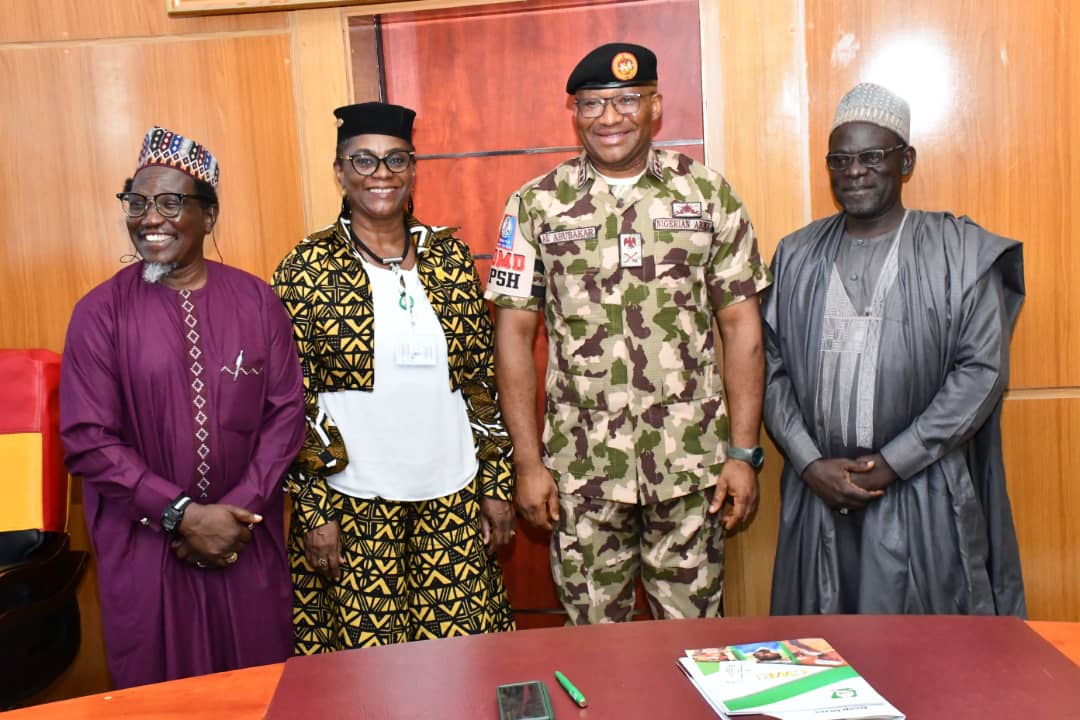
In commemoration of the International World Peace Day on September 21st, 2023, the prominent Jos-based Gideon and Funmi Para-Mallam Peace Foundation paid a courtesy visit to the General Officer Commanding (GOC) and STF Commander of the Nigerian Army’s 3 Division, Major General AE Abubakar.

The visit highlighted the Army’s pivotal role in working assiduously to restore peace, security and bring stability across Plateau and neighboring States under the leadership of Maj Gen Abubakar.

The peace delegation was led by The Revd Dr. Gideon Para-Mallam, President and CEO of the Foundation, along with his wife, Prof. Olufunmilayo Para-Mallam, mni, a Director of Studies (DOE) at the National Institute for Policy and Strategic Studies (NIPSS). They were joined by Sheikh Adam Ghazali, Deputy Imam of the Central Mosque Jos and a Judge at the CAC Court, as well as other foundation Staff members.

Addressing the GOC, The Revd Dr. Para-Mallam expressed the foundation’s profound gratitude to Maj Gen Abubakar for his proactive efforts in curbing violence across Plateau State since assuming duty as both GOC 3 Division and Commander of Operation Safe Haven (OPSH).

He noted that the General took command at a turbulent time but has succeeded in drastically reducing the incidences of attacks and promoting peace and security not just in Plateau but neighboring states such as Kaduna through his decisive leadership.

Dr. Para-Mallam also took the opportunity to brief the GOC on the Para-Mallam Peace Foundation’s impactful interventions over the years. This includes community peace building activities in Plateau and Kaduna States for example. Advocacy, Research and document, youth mentorship programs, building capacity for women in peace building programs and inter-religious dialogues.

Echoing similar sentiments, Sheikh Ghazali lauded the GOC’s swift and robust actions which have brought tremendous relief to Plateau residents. He assured the GOC of the foundation’s commitment to supporting ongoing peacebuilding efforts through their rich archives and resources.

In his response, Maj Gen Abubakar welcomed the foundation’s delegation and hailed their efforts in complementing the Army’s peacekeeping operations. While acknowledging the persisting security challenges, he reiterated the importance of community-driven peace initiatives as a viable solution beyond kinetic interventions alone.

The GOC pledged the unwavering support of 3rd Armoured Division towards the foundation’s peace programs aimed at permanently healing age-long divisions in society. He expressed confidence that Plateau will regain its status as the ‘Home of Peace and Tourism’ through collective action.

Professor Funmilayo Para-Mallam, mni in her vote of thanks expressed profound gratitude to the GOC for the remarkable work he is doing as STF Commander. Professor Para-Mallam who is the Director of Studies of The National Institute for Policy and Strategic Studies (NIPSS) said the results of the GOC’s impact since taking over the command of the STF have become reference points beyond Plateau. She commended the General and prayed that God will continue to guide him in all his activities.

Recall that prior to his assumption of office as GOC and STF Commander, Plateau state was known for frequent attacks and killings with the figures of people killed between April And July 2023 put at 346 according to data released by The Para-Mallam Peace Foundation in July. General Abubakar’s  examplary leadership since taken over Command has led to a drastic reduction in attacks and killings in the state.

The World Peace Day visit highlights the collaborative approach between the military and civil society groups in tackling insecurity across Nigeria’s restive Middle Belt. With the Army adopting a more community-focused strategy, groups such as the Para-Mallam Peace Foundation seeks to promote, and both hope to remain critical partners in working to see a Plateau, Kaduna, Benue and other States; that one day attacks on communities will become history.

After PEPT Judgment, What’s Next For Nigeria’s Electoral System?

By Luminous Jannamike, Abuja

Following the outcome of the 2023 presidential election and the judgment of the Presidential Election Petitions Tribunal on Wednesday, Nigeria finds itself at a crucial juncture.

The focus has now shifted to how Nigeria can improve its electoral system to foster a stronger democracy. Saturday Vanguard shares the opinions and insights of key stakeholders, highlighting their
recommendations for reform.

Amend 1999 Constitution, Electoral Act —Obi, ICPC’s Head of External Cooperation Kingsley Obi, the Head of External Cooperation at ICPC, shared his perspective on the matter.

He expressed his disappointment, stating that it was a missed opportunity for greatness and progress in Nigeria’s 24 years of democracy.

He attributed this setback to the failure of politicians, INEC, the government, and the masses to abide by the rules. Obi emphasized the significance of addressing the 2023 elections’ outcome as a critical national issue, urging decisive steps to be taken.

“I speak as one who voted with great expectations and also encouraged others to do so. We monitored theelection and submitted a report,” he said.

When asked about his vision for Nigeria’s future, Obi passionately replied, “I love the dreams of the future more than the history of the past.” His words reflected a strong belief in the potential of Nigeria to overcome its challenges and forge a better future. So, what is the way forward? He agreed that amending the Electoral Act and the 1999 Constitution are a crucial step.

He said, “The Electoral Act should be amended to include sanctions for the following: false declaration of election results,requiring government appointees to resign before joining a campaign council, punishment for not uploading election results in realtime, penalties for the late arrival of materials, sanctions against law enforcement agents who aid in election rigging or disruption, and a revised election timetable for both parliament and the executive branch.

Additionally, the Constitution should be amended to include the following provisions: no swearing-in of elected officials until all pending cases are resolved, the implementation of time limits for the resolution of election-related cases, similar to the system in Kenya, the establishment of a mandatory schedule for election-related cases with a timeline for their conclusion, and the creation of an independent electoral offenses commission.

Similarly, Deji Adeyanju, a renowned activist and legal scholar, argues that the Electoral Act (2022), as amended, is not yet watertight. He suggests that further amendments are necessary to enforce the mandatory electronic transmission of election results by the Independent National Electoral Commission (INEC).

Adeyanju said, “Whenever discretionary powers are bestowed upon an individual or institution, that entity is free to exercise their discretion in any manner they choose. We must amend the electoral act to require the compulsory electronic transmission of results from polling units on Election Day. I have previously expressed my concern when people were celebrating the amendment of the electoral act, as it granted INEC discretionary powers regarding the electronic transmission of results.

We must further amend the Electoral Act to mandate exclusively electronic transmission of results for all elections in the country.”

Let truth be prioritized in managing future elections — Okutepa, SAN
ToSenior Advocate of Nigeria (SAN), Jibrin Okutepa, Nigeria’s democracy is at a crossroads. He believes that although the country has made progress over the years, there are still several areas that require urgent attention.

According to Okutepa, Nigerians are well aware of the excruciating pains experienced by petitioners in dealing with the Independent National Electoral Commission (INEC). He suggests that Nigeria would greatly benefit from consistently upholding truth in the management of its affairs.

“Nigerians know the excruciating pains petitioners go through in the hands of INEC and how pink copies of election results are not always given to agents of parties in most cases. Nigeria will do itself well if at all times it upholds truth in the running of its affairs,” he said.

INEC independent, accountable to Nigerians —Effiong
In the same vein, Barr Inibehe Effiong, a public interest lawyer, suggests that while INEC is independent, it is essential to hold it accountable for violating its own guidelines in order to enhance the electoral system. He made this statement in light of the judgement of the Presidential Election Petition Court, which affirmed that INEC cannot be compelled to transmit its results electronically, despite making a promise to Nigerians to do so prior to the elections.

Effiong argued that, “Public funds were allocated for this purpose, and INEC relied on the integrity of the entire election through the use of BVAS for accreditation and result transmission. However, INEC has not faced condemnation or criticism for violating its own guidelines and promises. I do not believe that this is the appropriate behavior for a country that seeks to be taken seriously.”

Role of technology in electoral process cannot be overlooked —Dr. Karim, NISS Director
Dr. A. A. Karim, Director of Research Estimate and Library Services/ Head of the Postgraduate School at the National Institute of Security Studies, Abuja, believes that leveraging technology can enhance transparency and efficiency.

He said, “There is a need for INEC to improve the deployment of BVAS and technology to prevent failures in future elections. INEC’s technology experts and consultants should study BVAS and work on enhancing its workability and security, especially in the area of result transmission, leading up to the 2027 general elections.

This should be done in collaboration with all stakeholders, including technical suppliers and partners. Special security measures should be implemented to protect BVAS machines at polling units, in order to prevent incidents of snatching and theft by thugs or hoodlums.

There should be improved training and retraining of BVAS operators, as well as the deployment of a technical team to promptly address cases of malfunction.”

Strategic implementation of cashless policy, civic education ‘ll help —Acting EFCC
Chairman, Chukkol For Abdulkarim Chukkol, the Acting Chairman of the Economic and Financial Crimes Commission (EFCC), voter education and civic engagement, particularly in countering vote-trading, along with the strategic implementation of a cashless policy, are critical components in strengthening Nigeria’s electoral system.

He emphasized that, “we must continue to raise awareness among Nigerian voters about the detrimental effects of vote-buying, as it contributes to poor governance.

Furthermore, we should advocate for significant reforms to impose stricter penalties for vote-trading. If the cashless policy is strategically planned and implemented, itwill serve as a valuable tool in curbing vote-buying.”

We must build capacity to manage election crises—Akobundu, AUDA-NEPAD boss
According to Princess Gloria Akobundu, the Chief Executive Officer of African Union Development Agency (AUDA-NEPAD, Nigeria must invest in building the capacity of stakeholders to manage electoral crises.

“We must assess how well the campaigns and sensitization efforts prior to the election have influenced the peaceful conduct of elections in Nigeria, and also enhance the capacity of the relevant stakeholders in managing pre- and post-electoral crises,” she stated.

Nigeria’s quest for a better democracy requires comprehensive reforms to the electoral system. The outcome of the 2023 presidential election and subsequent judgment have shed light on the urgent need for change. By amending the Electoral Act, granting more autonomy to INEC, empowering citizens through education, and fostering a culture of integrity in politics amongst other reforms, Nigeria can pave the way for a brighter democratic future.

As Kingsley Obi, ICPC’s Head of External Cooperation, aptly stated, ‘I love the dreams of the future more than the history of the past’, it is time for Nigerians to come together and work towards achieving those dreams.

SOURCE: Vanguard

Kidnappings and Murders of Christians Escalate in Nigeria’s Extremist Crisis

Nigeria (International Christian Concern) – More than 1,000 Christians in Nigeria were killed during attacks by Islamic extremists in 2023, according to International Christian Concern. Boko Haram, Fulani militants, and other extremist groups kidnapped and killed Christians for not paying ransom.

Community leaders blamed Fulani militants for kidnapping and destroying farm produce before harvest, and Christian religious leaders addressed the atrocities in Christian communities as persecution, but the Nigerian government addressed the terrorists as unknown gunmen or bandits. In Plateau State, more than 400 Christians were killed by Funali militants in Mangu, Barkin Ladi, and Riyom local government this year.

In northern Nigeria, Fulani militants kidnapped seven Christians. A witness told ICC that the captors took the hostages at gunpoint from a restaurant in Bauchi State on the evening of Aug. 21. These terrorists are demanding a ransom of $2,600 USD (N2 million), which is an immense sum for a struggling rural family from Bassa in Plateau State. Their livelihoods have already been devastated by terrorists in their hometowns. Even a short walk for food is a perilous journey due to the constant threat of attacks. Many Christian villages in the region have fallen under the control of these Fulani terrorists, and sadly, the residents cannot find safety even in their supposed places of refuge.

Five of those kidnapped were released on Aug. 23 and rushed to the hospital, while the militants killed two for not paying ransom. The militants told the hostages they were raising funds through kidnapping to attack more Christian communities.

The National Leader of the Irigwe Chiefdom in Plateau says Christians are persecuted, but the Nigerian government remains silent, allowing persecuted Christians to be under the mercy of gunmen. He calls on Christians in the diaspora to pray for persecuted Christians in the country. Please continue to pray for Christians in Nigeria.

SOURCE: Persecution.org

Plateau State Poised for Economic Boom with Proposed Mining University, Asserts Senator Plang

Diket Plang, the Chairman of the Senate Committee on Employment and Productivity, has urged for the establishment of a Mining University in Jos, Plateau State. Plang made this proposition during a formal visit to the Nigerian Institute of Mining and Geo-Science located in Jos.

Being the representative of Plateau Central in the 10th National Assembly, Plang expressed that the inception of Mining University could act as a catalyst for economic progress.

Plang has advanced a bill aiming to repeal the Act that established the Institute of Mining. He asserts that if realized, the University could significantly transform the Nigerian economy. It would provide comprehensive technical services across all facets of mining engineering and related fields. Given Plateau State’s rich solid mineral resources, Plang believes Jos to be the ideal location for this institution.