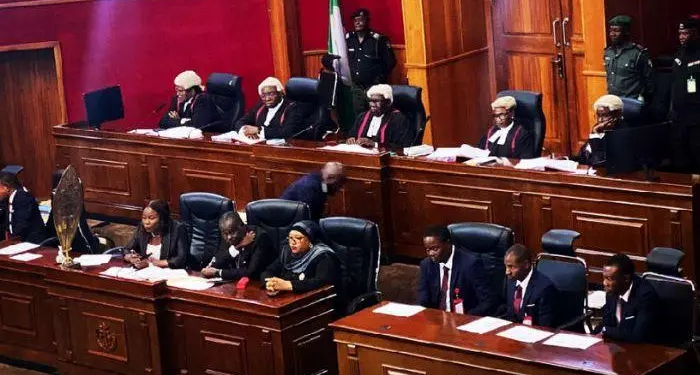
Following the outcome of the 2023 presidential election and the judgment of the Presidential Election Petitions Tribunal on Wednesday, Nigeria finds itself at a crucial juncture.
The focus has now shifted to how Nigeria can improve its electoral system to foster a stronger democracy. Saturday Vanguard shares the opinions and insights of key stakeholders, highlighting their recommendations for reform.
Amend 1999 Constitution, Electoral Act —Obi, ICPC’s Head of External Cooperation Kingsley Obi, the Head of External Cooperation at ICPC, shared his perspective on the matter.
He expressed his disappointment, stating that it was a missed opportunity for greatness and progress in Nigeria’s 24 years of democracy.
He attributed this setback to the failure of politicians, INEC, the government, and the masses to abide by the rules. Obi emphasized the significance of addressing the 2023 elections’ outcome as a critical national issue, urging decisive steps to be taken.
“I speak as one who voted with great expectations and also encouraged others to do so. We monitored theelection and submitted a report,” he said.
When asked about his vision for Nigeria’s future, Obi passionately replied, “I love the dreams of the future more than the history of the past.” His words reflected a strong belief in the potential of Nigeria to overcome its challenges and forge a better future. So, what is the way forward? He agreed that amending the Electoral Act and the 1999 Constitution are a crucial step.
He said, “The Electoral Act should be amended to include sanctions for the following: false declaration of election results,requiring government appointees to resign before joining a campaign council, punishment for not uploading election results in realtime, penalties for the late arrival of materials, sanctions against law enforcement agents who aid in election rigging or disruption, and a revised election timetable for both parliament and the executive branch.
Additionally, the Constitution should be amended to include the following provisions: no swearing-in of elected officials until all pending cases are resolved, the implementation of time limits for the resolution of election-related cases, similar to the system in Kenya, the establishment of a mandatory schedule for election-related cases with a timeline for their conclusion, and the creation of an independent electoral offenses commission.
Similarly, Deji Adeyanju, a renowned activist and legal scholar, argues that the Electoral Act (2022), as amended, is not yet watertight. He suggests that further amendments are necessary to enforce the mandatory electronic transmission of election results by the Independent National Electoral Commission (INEC).
Adeyanju said, “Whenever discretionary powers are bestowed upon an individual or institution, that entity is free to exercise their discretion in any manner they choose. We must amend the electoral act to require the compulsory electronic transmission of results from polling units on Election Day. I have previously expressed my concern when people were celebrating the amendment of the electoral act, as it granted INEC discretionary powers regarding the electronic transmission of results.
We must further amend the Electoral Act to mandate exclusively electronic transmission of results for all elections in the country.”
Let truth be prioritized in managing future elections — Okutepa, SAN ToSenior Advocate of Nigeria (SAN), Jibrin Okutepa, Nigeria’s democracy is at a crossroads. He believes that although the country has made progress over the years, there are still several areas that require urgent attention.
According to Okutepa, Nigerians are well aware of the excruciating pains experienced by petitioners in dealing with the Independent National Electoral Commission (INEC). He suggests that Nigeria would greatly benefit from consistently upholding truth in the management of its affairs.
“Nigerians know the excruciating pains petitioners go through in the hands of INEC and how pink copies of election results are not always given to agents of parties in most cases. Nigeria will do itself well if at all times it upholds truth in the running of its affairs,” he said.
INEC independent, accountable to Nigerians —Effiong In the same vein, Barr Inibehe Effiong, a public interest lawyer, suggests that while INEC is independent, it is essential to hold it accountable for violating its own guidelines in order to enhance the electoral system. He made this statement in light of the judgement of the Presidential Election Petition Court, which affirmed that INEC cannot be compelled to transmit its results electronically, despite making a promise to Nigerians to do so prior to the elections.
Effiong argued that, “Public funds were allocated for this purpose, and INEC relied on the integrity of the entire election through the use of BVAS for accreditation and result transmission. However, INEC has not faced condemnation or criticism for violating its own guidelines and promises. I do not believe that this is the appropriate behavior for a country that seeks to be taken seriously.”
Role of technology in electoral process cannot be overlooked —Dr. Karim, NISS Director Dr. A. A. Karim, Director of Research Estimate and Library Services/ Head of the Postgraduate School at the National Institute of Security Studies, Abuja, believes that leveraging technology can enhance transparency and efficiency.
He said, “There is a need for INEC to improve the deployment of BVAS and technology to prevent failures in future elections. INEC’s technology experts and consultants should study BVAS and work on enhancing its workability and security, especially in the area of result transmission, leading up to the 2027 general elections.
This should be done in collaboration with all stakeholders, including technical suppliers and partners. Special security measures should be implemented to protect BVAS machines at polling units, in order to prevent incidents of snatching and theft by thugs or hoodlums.
There should be improved training and retraining of BVAS operators, as well as the deployment of a technical team to promptly address cases of malfunction.”
Strategic implementation of cashless policy, civic education ‘ll help —Acting EFCC Chairman, Chukkol For Abdulkarim Chukkol, the Acting Chairman of the Economic and Financial Crimes Commission (EFCC), voter education and civic engagement, particularly in countering vote-trading, along with the strategic implementation of a cashless policy, are critical components in strengthening Nigeria’s electoral system.
He emphasized that, “we must continue to raise awareness among Nigerian voters about the detrimental effects of vote-buying, as it contributes to poor governance.
Furthermore, we should advocate for significant reforms to impose stricter penalties for vote-trading. If the cashless policy is strategically planned and implemented, itwill serve as a valuable tool in curbing vote-buying.”
We must build capacity to manage election crises—Akobundu, AUDA-NEPAD boss According to Princess Gloria Akobundu, the Chief Executive Officer of African Union Development Agency (AUDA-NEPAD, Nigeria must invest in building the capacity of stakeholders to manage electoral crises.
“We must assess how well the campaigns and sensitization efforts prior to the election have influenced the peaceful conduct of elections in Nigeria, and also enhance the capacity of the relevant stakeholders in managing pre- and post-electoral crises,” she stated.
Nigeria’s quest for a better democracy requires comprehensive reforms to the electoral system. The outcome of the 2023 presidential election and subsequent judgment have shed light on the urgent need for change. By amending the Electoral Act, granting more autonomy to INEC, empowering citizens through education, and fostering a culture of integrity in politics amongst other reforms, Nigeria can pave the way for a brighter democratic future.
As Kingsley Obi, ICPC’s Head of External Cooperation, aptly stated, ‘I love the dreams of the future more than the history of the past’, it is time for Nigerians to come together and work towards achieving those dreams.
Nigeria (International Christian Concern) – More than 1,000 Christians in Nigeria were killed during attacks by Islamic extremists in 2023, according to International Christian Concern. Boko Haram, Fulani militants, and other extremist groups kidnapped and killed Christians for not paying ransom.
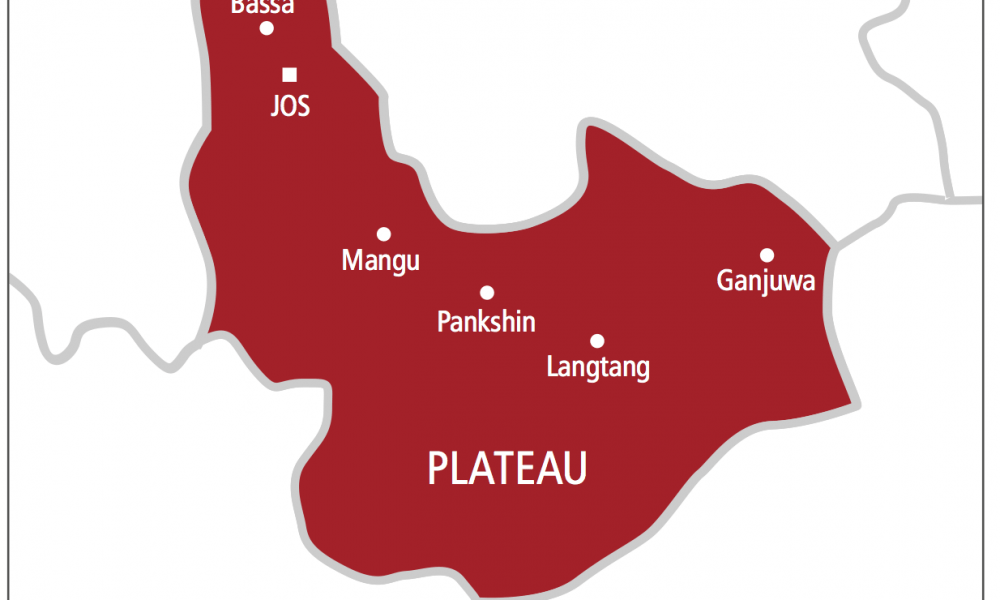
Community leaders blamed Fulani militants for kidnapping and destroying farm produce before harvest, and Christian religious leaders addressed the atrocities in Christian communities as persecution, but the Nigerian government addressed the terrorists as unknown gunmen or bandits. In Plateau State, more than 400 Christians were killed by Funali militants in Mangu, Barkin Ladi, and Riyom local government this year.
In northern Nigeria, Fulani militants kidnapped seven Christians. A witness told ICC that the captors took the hostages at gunpoint from a restaurant in Bauchi State on the evening of Aug. 21. These terrorists are demanding a ransom of $2,600 USD (N2 million), which is an immense sum for a struggling rural family from Bassa in Plateau State. Their livelihoods have already been devastated by terrorists in their hometowns. Even a short walk for food is a perilous journey due to the constant threat of attacks. Many Christian villages in the region have fallen under the control of these Fulani terrorists, and sadly, the residents cannot find safety even in their supposed places of refuge.
Five of those kidnapped were released on Aug. 23 and rushed to the hospital, while the militants killed two for not paying ransom. The militants told the hostages they were raising funds through kidnapping to attack more Christian communities.
The National Leader of the Irigwe Chiefdom in Plateau says Christians are persecuted, but the Nigerian government remains silent, allowing persecuted Christians to be under the mercy of gunmen. He calls on Christians in the diaspora to pray for persecuted Christians in the country. Please continue to pray for Christians in Nigeria.
Diket Plang, the Chairman of the Senate Committee on Employment and Productivity, has urged for the establishment of a Mining University in Jos, Plateau State. Plang made this proposition during a formal visit to the Nigerian Institute of Mining and Geo-Science located in Jos.
Being the representative of Plateau Central in the 10th National Assembly, Plang expressed that the inception of Mining University could act as a catalyst for economic progress.
Plang has advanced a bill aiming to repeal the Act that established the Institute of Mining. He asserts that if realized, the University could significantly transform the Nigerian economy. It would provide comprehensive technical services across all facets of mining engineering and related fields. Given Plateau State’s rich solid mineral resources, Plang believes Jos to be the ideal location for this institution.
As the people of Kwi village in Riyom local government area of Plateau state continue to mourn the killing of Mr. and Mrs. Rwang Danladi, a teacher at BECO Comprehensive School, Kwi by Armed Fulani herdsmen on Monday, August 14, 2023, The Berom Youth Moulder Association (BYM) has called for a ban on open grazing in the state.
In an exclusive chat with Steven Kefas on Wednesday, August 16, 2023, the Leader of the group, Barrister Solomon Dalyop decried the forceful occupation of lands by armed Fulani herdsmen in the state. Dalyop stated that as of December 2022, about 102 villages have been forcefully taken over by armed herdsmen, forcing the original owners to flee to makeshift IDP camps.
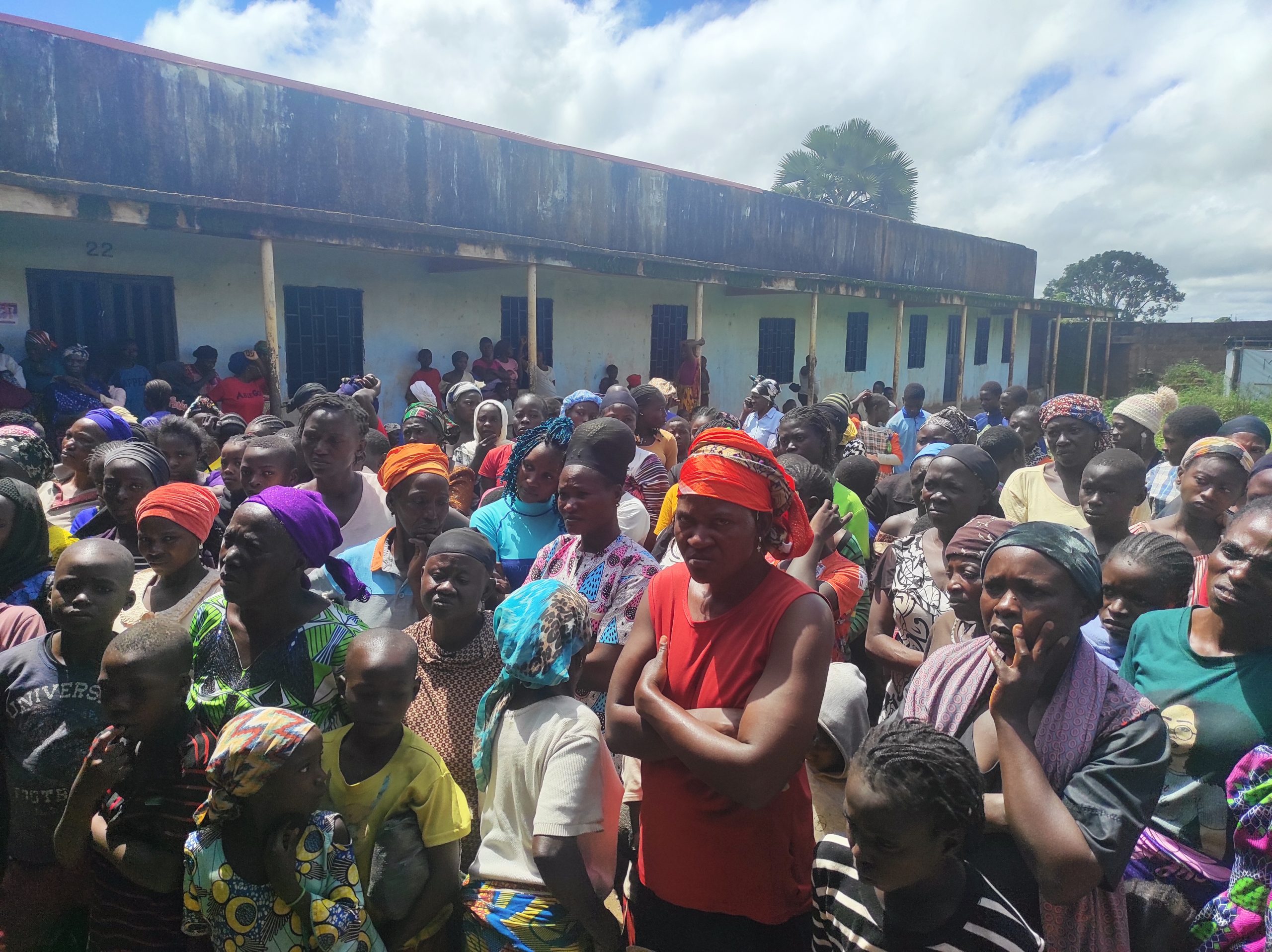
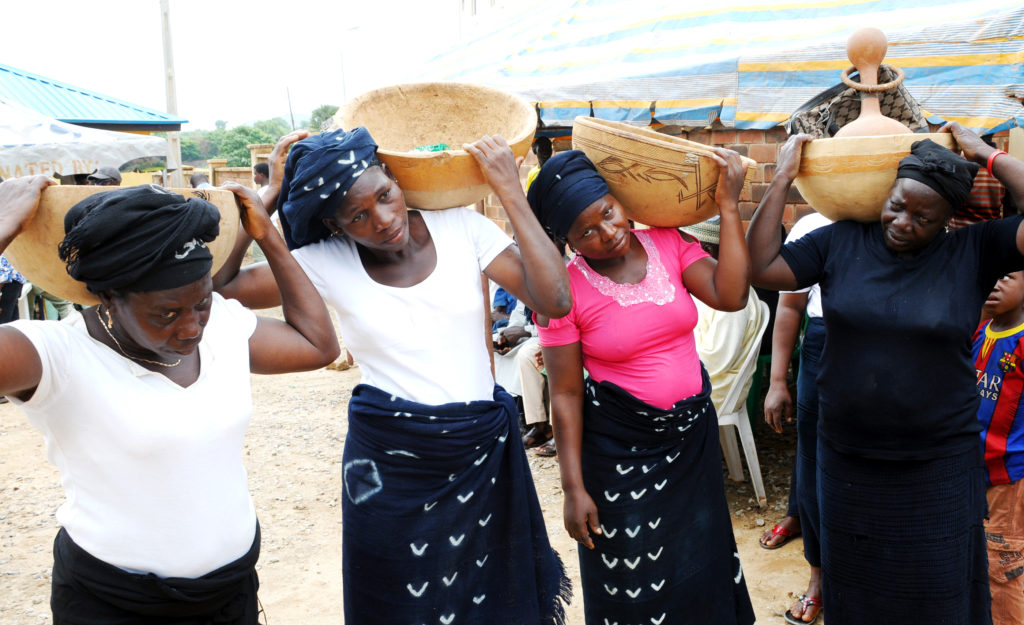
Women at the Riyom IDP Camps
Reacting to the killing of Mr. and Mrs. Rwang Danladi in Kwi village by those he described as “Known herdsmen”, Dalyop described the attack as unfortunate, ‘well planned and organized’. He said the herdsmen went into the gated school to graze in violation of subsisting order against grazing on farmlands in the state.
“At about 3 pm on Monday, some teachers of BECO (Berom Educational and Cultural Organization) Comprehensive School had gone to compile results of students to be issued on Friday, August 18.
“While the teachers were working in their offices, some known from Fass, a neighboring community about a kilometer from Kwi brought their cattle into the school compound to graze. The school is fenced and gated so it wasn’t the case of cattle straying into an open space, it was deliberate.
“When the teachers came out to confront them in a peaceful manner by asking them to take their cattle out of the school compound, they brought out arms and shot at the teachers, killing Mr. Rwang Danladi and his wife while the Vice Principal of the school, Emmanuel Ibrahim was injured.” He said.
Plateau state has been in the news albeit for a negative reason in recent times due to incessant attacks on farming communities by terrorists victims have repeatedly described as Fulani herdsmen militias.
In the last four months over 300 people have been killed and thousands displaced according to data released by The Para-Mallam Peace Foundation.
The claim by the BYM of forceful occupation of communities belonging to the natives in Riyom and other parts of the state is an angle the state government must look into with immediate alacrity and get the natives returned to their original communities if peace is to return to the Plateau anytime soon.
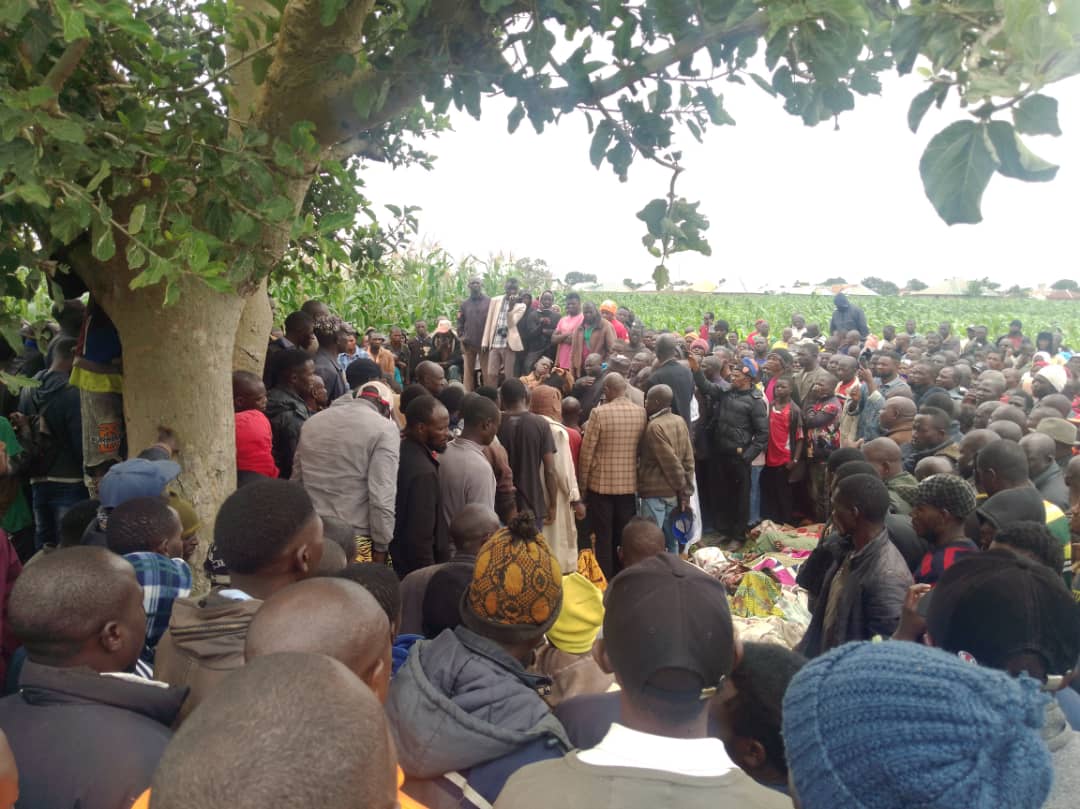
Batin and Yogot communities in Heipang district, Barkin Ladi local government area of Plateau state are currently in a state of mourning following Thursday’s night invasion of their communities by terrorists.
This newspaper gathered that no fewer than 21 persons including women and children were brutally murdered by the terrorists suspected to be Fulani militias.
According to an eyewitness who gave his name as Obed, the attackers came into Batin community at 1:10am on Thursday, shooting sporadically as the villagers scamper for safety.
“My house is very close to the houses that were affected. We heard the first gun shots at exactly 10 minutes past one.
“They short sporadically and killed 17 people here in Batin. They burnt some of the victims to death.
“When they were retreating, they stopped at Yogot, another community not far from the Airport and killed 4 persons.
We are currently digging the grave to bury the victims” He said.
This attack is coming at the heels of countless similar attacks in Mangu where over 300 persons have been killed between April and July 2023 according to data released by the Para-Mallam Peace Foundation.
In July, the Nigerian Army moved its operational base for Operation Safe Haven to Mangu in a bid to put an end to the attacks in the area. That effort indeed reduced the frequency of attacks in Mangu.
The Gbagyi ethnic group, consisting of approximately 5 million people, is one of several ethnic groups found in Nigeria. Their predominant presence is in the Middle Belt region of Nigeria, which encompasses significant areas such as the capital city, Abuja, as well as Niger State, Kaduna State, and Nasarawa States.
It is important to focus this analysis on the Gbagyi people. However, it is crucial to clarify that this examination should not be misconstrued as endorsing any specific candidates in the recently concluded 2023 elections as the conversation should strictly be accessed within the prism of the Gbagyi people
As President Bola Ahmed Tinubu prepares to appoint a minister for the Federal Capital Territory (FCT), I delve into the pressing issues surrounding Gbagyi representation, land grabbing issues that have and continue to affect them, and the concerning trend of the Minister of FCT position being dominated by the core North in recent times, while neglecting the Gbagyi population of the Middle Belt.
Since 1999, the position of Minister of the FCT has consistently been reserved for individuals from the core North, a fact that has left experts from the Middle Belt region bewildered and perplexed.
This perplexity stems from the fact that the people in this region have been subjected to division across four states, marginalized, and denied rightful compensation for the appropriation of their lands for the establishment of the FCT. Furthermore, they are disheartened by the disregard and exclusion they face in discussions concerning the FCT ministerial role.
The existence of a bill, known as the FCT Resettlement, Integration, and Development Commission, sponsored by Hon. Zaphania Isalo, which was under consideration in the Nigerian Senate as of 2016, provides substantiation for the lack of adequate compensation and the unresolved resettlement of affected Gbagyi communities. This further strengthens the urgency of addressing these issues.
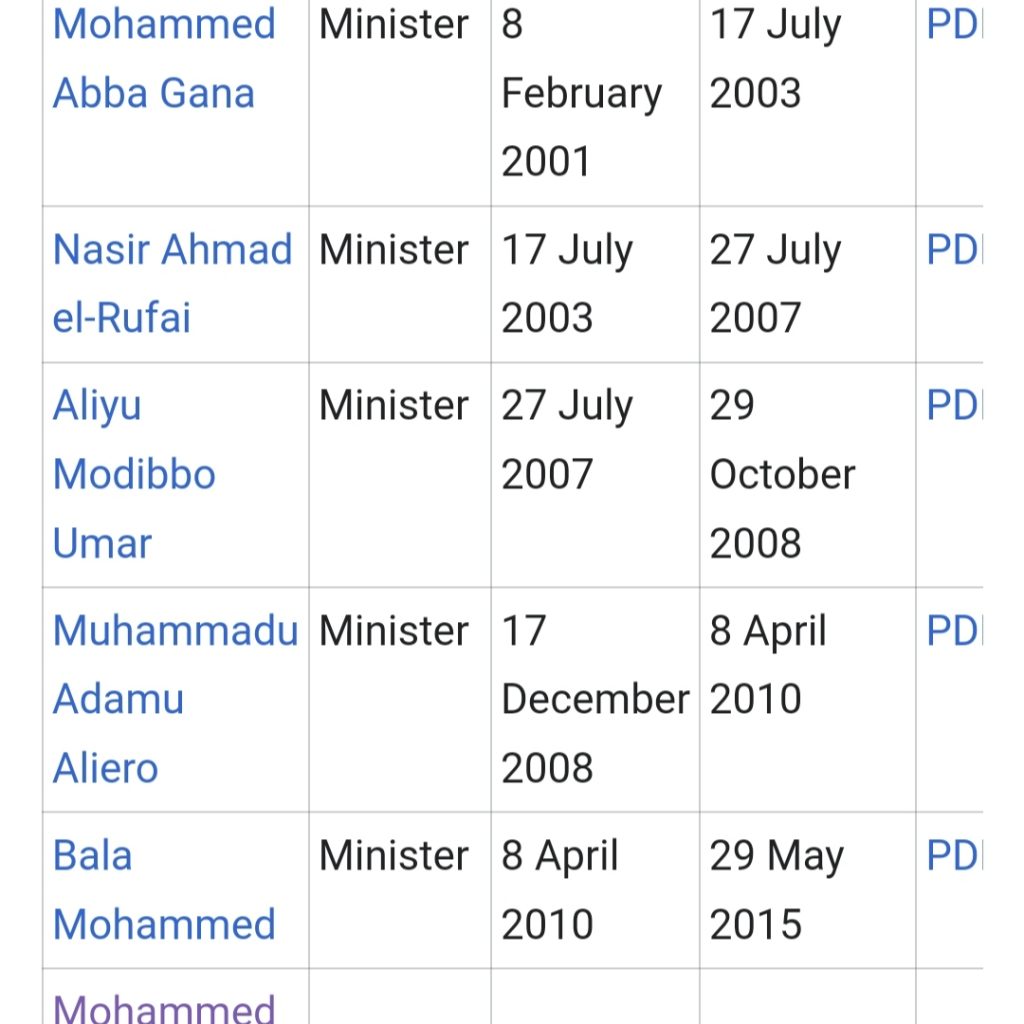
Herein is the list of past FCT Ministers since 1999
The Gbagyi people have endured a series of disastrous events throughout the 4th republic, starting with Ibrahim Bunu, a native of Borno, who served as the first Minister of the Federal Capital Territory (FCT) during the transition in 1999. Regrettably, Bunu targeted the Gbagyi community, displacing them and granting authorization for the destruction of settlements in Kado, Garki, and Wuse in 2001. This marked a distressing milestone in the 4th republic, as it was the first instance of a deliberate assault on the Gbagyi community.
In the same year, a presidential committee compiled a list of properties slated for confiscation by the federal government, with a significant portion belonging to the Gbagyi people. This unfortunate identification further compounded the challenges faced by the Gbagyi community, leaving them even more vulnerable.
Tragically, the plight of the Gbagyi people continued in 2003 when Nasir Ahmad El-Rufai assumed the role of Minister of the Federal Capital Territory (FCT). Known for his imprudent and erratic decision-making, El-Rufai initiated a demolition campaign that indiscriminately impacted over a thousand structures. This campaign caused immense hardship and suffering for numerous individuals and families.
The cumulative effect of these events has left the Gbagyi people in a state of distress, grappling with the consequences of forced displacement, property confiscation, and the loss of their homes and livelihoods. It is imperative that these issues are recognized and addressed to rectify the injustices endured by the Gbagyi community.
It is crucial to highlight the role played by El-Rufai, a long-standing adversary of the Gbagyi and Middle Belt communities, in initiating his assault on the Gbagyi people.
This assault began with the forceful evictions and demolitions, which inflicted significant harm on the Gbagyi community. El-Rufai’s continuous antagonism will be shown later in the future towards the Gbagyi people when he took the controversial step of renaming their traditional stool in Kaduna, despite lacking any affiliation with their ethnic group. Critics argue that this act undermined the integrity of Gbagyi traditional culture and heritage.
Throughout El-Rufai’s tenure, which concluded in 2007, forceful evictions were rampant, resulting in the displacement of at least 500,000 individuals and potentially affecting up to 1.2 million people. The Gbagyi community bore the brunt of these actions, further exacerbating their plight.
An alarming trend that has emerged since 1999 is the consistent appointment of individuals who hold anti-Gbagyi sentiments into influential positions in the Federal Capital Territory (FCT) and its surrounding areas. This has perpetuated policies and actions that marginalize and negatively impact the Gbagyi community.
Regrettably, democratic progress in the nation has been sluggish, with elected officials from all spheres of governance offering limited assistance to the Gbagyi people. Interviews conducted with indigenous individuals, migrants, and activists have uncovered widespread grievances concerning the government’s persistent failure to address land redress and provide proper compensation for the lands on which the FCT was established.
These cumulative acts of neglect and injustice have underscored the urgent need for rectification and compensation for the Gbagyi community, as their rights and heritage have been consistently disregarded.
Even in past instances of demolitions, government agencies have consistently failed in providing sufficient notice to affected communities. Community Action for Popular Participation (CAPP), an NGO working in these communities, has highlighted the issue, stating that “Communities were not given enough time when demolition notices were issued.” In Lugbe, a densely populated settlement in the Abuja area, residents received a mere 24-hour warning before demolitions took place. Unfortunately, even with recourse to the court systems, residents who have been victims of these policies have painfully realized that justice is elusive through the Nigerian courts.
The Federation of Urban Poor (FEDUP), a network of NGOs operating across the Federal Capital Territory (FCT), has further corroborated these accounts.
Seventy-three members of FEDUP have shared instances where they were not given any notice at all. An activist from Jiwa added a distressing anecdote, revealing that his neighbour died during a demolition because he was too ill to evacuate.
In 2012, the police settled out of court after being held responsible for the death of a 20-year-old girl during a demolition in Apo.
Despite the Land Use Act establishing special tribunals and mandating compensation for displaced individuals, these measures have offered little assistance to the displaced residents of Abuja or in providing alternative accommodations. It appears that these grievances remain unresolved, perpetuating the suffering of those affected.
During the demolitions in 2012, victims from Idu and Karmo relocated to a housing site in Pegi after paying a fee of 21,000 naira. However, investigations by the Social and Economic Rights Action Centre (SERAC) revealed that the area had minimal or no infrastructure and services available.
At this juncture, what the Gbagyi people demand is not only adequate representation within the Federal Capital Territory (FCT) (The FCT Ministerial position), but also in all states where they have experienced marginalization and displacement. This would serve as a fundamental starting point for addressing their concerns and seeking justice for their communities.
In a concerning turn of events, just days before the end of former Governor El-Rufai’s tenure in Kaduna, he issued an order to demolish numerous Gbagyi settlements. This came after demanding that residents pay 21,000 naira for a regularization form. However, when residents visited the Kaduna State Urban Planning Development Agency (KAPSUDA), officials informed them that the forms were not yet ready. Despite this, El-Rufai deemed it necessary to proceed with the demolitions, resulting in the displacements across Gbagyi land.
This pattern of displacing Middle Belt communities through the guise of urban planning while leaving settler communities untouched appears to be on the rise. In 2020, the Gbagyi people in Kaduna accused El-Rufai of displacing them and allowing migrant Fulani groups to settle in their ancestral lands, using the establishment of emirates to legitimize their migrant status.
Given these circumstances, it is crucial for the Middle Belt people to be proactive in securing adequate representation. Years of leniency and openness towards certain settlers have led to the displacement of numerous Gbagyi communities and the usurpation of their leadership positions by outsiders.
As we examine the appropriation of these positions, we must not overlook key roles within the Federal Capital Territory (FCT), such as the Senate and the two House of Representative positions for Abuja South and Bwari, as well as other local government positions. It is the responsibility of those who have migrated to Abuja to recognize and acknowledge the contributions of the indigenous Abuja population and support their aspirations for positions of authority within their ancestral land.
The persistent struggle of the Gbagyi people for rightful compensation cannot be overlooked, as they have been vocal in raising their concerns. In 2012, the courts dismissed a civil suit filed by the Gbagyi people, which sought compensation for the demolitions that resulted in the displacement of their communities.
The director of APRI emphasized the importance of mobilizing the people themselves as the most effective approach in addressing this issue. This highlights the need for collective action and collaboration from all stakeholders involved.
It is worth noting that towards the end of President Obasanjo’s second term in 2007, the then FCT Minister, Nasir El-Rufai, expressed some regrets regarding the demolitions. However, it appears that these regrets held little weight, as El-Rufai’s subsequent eight-year tenure as the Governor of Kaduna State was marred by similar incidents of unlawful demolitions and the displacement of Gbagyi peoples
When analyzing the issues faced by the Gbagyi people, it becomes evident that the root of the problem lies in their land rights. This problem traces back to 1976 when the Nigerian military government forcefully acquired the ancestral lands of the Gbagyi people to establish a new capital city.
To address the plight of the Gbagyi people, a comprehensive examination of their land rights and the historical context surrounding the acquisition of their lands is essential. It is crucial to seek justice and proper compensation for the Gbagyi community, taking into account the historical injustices they have endured.
The current regulation of land ownership and management in Nigeria is governed by the Land Use Act of 1978 (LUA), which, notably, does not extend to Abuja.
The Nigerian government considers Abuja as a symbol of political unity and a modern city representing the country’s development. Consequently, the Federal Capital Territory Act of 1976 (FCT Act) grants exclusive ownership of all lands in Abuja to the Federal Government.
Since Abuja is not classified as a state within the Nigerian federation and lacks a governor, the LUA does not apply in this region. This legal framework, despite the presence of indigenous communities in Abuja, effectively terminates customary land rights and is justified by Section 297(2) of the Nigerian Constitution, which stipulates that all lands in the Federal Capital Territory belong to the Government.
Consequently, the combined impact of the Nigerian Constitution and the FCT Act results in the displacement of the indigenous Gbagyi people from their ancestral lands in Abuja. Any customary land rights they may have under customary tenancy were thus considered null and void under Nigerian laws.
This discriminatory situation becomes even more apparent when examining the contrast with other parts of Nigeria. Section 36 of the LUA 1978 recognizes the customary land rights of indigenous Nigerians in the remaining 36 states of the Nigerian Federation.
However, the application of these rights becomes impossible in Abuja due to Section 49, along with Section 1 (3) of the Federal Capital Territory (FCT) Act and Section 297 (2) of the Constitution of the Federal Republic of Nigeria.
Upon the establishment of the Federal Capital Territory (FCT), there was a misconception that the territory did not belong to any specific ethnic group in Nigeria. Initially, the government planned to relocate all residents of Abuja to suitable locations outside the territory at the government’s expense. However, this plan was later revised.
It is important to highlight that to this day, the Nigerian government has not provided compensation for the affected communities. Researcher Frank Salamone has raised concerns about the human rights implications of this situation, particularly its impact on the Gbagyi people. The sheer size of the affected area, spanning 365,000 square miles, is both astonishing and significant in this context.
Furthermore, it is noteworthy that the displacement of the Gbagyi people and other ethnic groups, who have had historical conflicts with the Hausa and Fulani communities, is compounded by the appointment of individuals of Hausa and Fulani descent who may not share in the indigenes ideologies and culture. This oversight fails to take into account the colonial history and tensions between these groups, further exacerbating the plight of the affected communities.
In addition, the establishment of new political units within the Federal Capital Territory has had a disruptive effect on existing ethnic leadership structures, resulting in the nullification of indigenous political leadership.
While a small number of Abuja indigenes now reside in close proximity to the city, thanks to the development and expansion of the Capital Territory, the majority still live in villages and rural areas located within the six local government councils of the region. Unfortunately, these areas lack vital infrastructure such as accessible roads, hospitals, and other basic social amenities, further exacerbating the challenges faced by the indigenous communities.
It is crucial to recognize that alongside the Gbagyi people’s fight for autonomy in their region, they are also confronted with distortionists who continuously attempt to alter their history. These distortionists claim that the Gbagyi people may have migrated from Zamfara around 1810. However, careful examination of maps and related narratives reveals a historically inaccurate incorporation of the entire Niger-Benue zone under the control and jurisdiction of the Sokoto Caliphate which propounds this theory.
A significant proponent of the distortionist analysis of pre-caliphate society in the Middle Belt was Mohammed Bello, whose mapping of territories encompassing Hausa society has been found to be untruthful by scholars. This was evident when the British encountered resistance from the Mada peoples in 1917 while approaching the Mada hills, revealing the inaccuracies in Bello’s work.
Bala Adamu Kuta, a researcher, further perpetuated this fallacy by making immensely false assertions, emphasizing that the Hausa Fulani founded various Gbagyi towns. Ayuba Sanda highlights that Darlington’s viewpoint may have influenced these egregious and fallacious positions.
Other falsehoods include C. L. Temple’s claim that the Gbagyi people, along with other known groups like the Koro, were expelled from the Bornu Empire in 1750 due to a struggle.
It is imperative to take these fallacies seriously, as they significantly influenced British policy towards the Gbagyi and other groups in present-day Kaduna, Nasarawa, Niger, and Abuja and these fallacies continue to shape the relationship between the Nigerian structure and the Gbagyi people in contemporary times, particularly regarding the FCT position.
It is important to highlight that the roots of the Gbagyi people can be traced back to the earliest signs of human presence in the region, which date back to 500 BCE during the Nok civilization. This ancient civilization flourished until around 200 CE.
Following the decline of the Nok civilization, there was a shift in movement patterns, leading to migrations and the establishment of settlements in various regions within the Middle Belt.
However, the 1804 Jihad marked a significant turning point in the history of the Gbagyi and other ethnic groups. Led by Uthman Dan Fodio, the Jihadists embarked on a conquest of Hausa territories, which resulted in attacks and migrations affecting the Gbagyi people and other ethnicities in the Middle Belt.
In response to these incursions, the Gbagyi and other groups resisted the Jihadists, leading to the creation of wide gaps in the land areas as they sought refuge in the highlands. This resistance posed challenges for the Sokoto Caliphate, as noted by Robert Taylor.
It is worth noting that the Gbagyi, along with other hill country groups, successfully preserved their autonomy and resisted the Jihadists until the arrival of British forces as they created a Northern protectorate encompassing Gbagyi groups on New Years eve of 1900. The British invasion using the West African Frontier Force and maps from the emirates influenced the subsequent attitude of British colonial rule in the region, shaping the dynamics and power structures in the area.
Subsequently, the marginalization of various Gbagyi groups in the Middle Belt began, prompting their involvement in movements like the United Middle Belt Congress in 1951, spearheaded by Joseph Tarka.
This agitation for a separate Middle Belt region, alongside other ethnic groups in Central Nigeria, gained momentum. However, the years of military rule soon followed, during which successive military administrations sought new locations for the capital.
This decision sparked significant controversy particularly in the 1970s, particularly as Chief Obafemi Awolowo favoured keeping the capital in Lagos, while Alhaji Shehu Shagari campaigned for its relocation to Abuja in the same period. The debate over the capital’s location became a prominent point of contention between these influential political figures.
With the emergence of Shehu Shagari, the challenges of the Gbagyi people soon commenced with initial plans for relocation, compensation and dislodgement soon begun.
President Bola Tinubu has expressed sadness and grief over the latest round of violence and killings in the Middle Belt states of Plateau and Benue.
The President condemned in strong terms the most recent internecine killings in Mangu Local Government Area of Plateau State and parts of Benue State.
President Tinubu in a statement signed by his spokesman, Dele Alake described the renewed killings in the two states as “most unfortunate”
The statement reads in parts;
“It is most unfortunate that in this orgy of violence, an innocent eight-month-old baby in Farin Lamba community of Vwang District, Jos South Local Government, died in a conflict she knew nothing about.
“A major consequence of perennial conflict is always the tragic loss of innocent lives.
“To build virile, peaceful and prosperous communities demand tolerance and forgiveness for every perceived wrongdoing,” the President said.
To rebuild trust and restore harmony to these conflict areas, President Tinubu urged community leaders, religious leaders, traditional rulers, socio-cultural organisations as well as the leadership of Arewa Consultative Forum, Jama’atu Nasril Islam, and Christian Association of Nigeria to work together to help foster genuine and long-lasting peace.
While reaffirming his government’s strong determination to stamp out violent crimes and all forms of criminalities everywhere in Nigeria, the President has directed security agencies to fish out the masterminds of the dastardly acts to face the full wrath of law.
He, however, charged the governments of Plateau and Benue States and emergency response agencies to provide support and immediate relief to victims who have been displaced as a result of the conflicts.
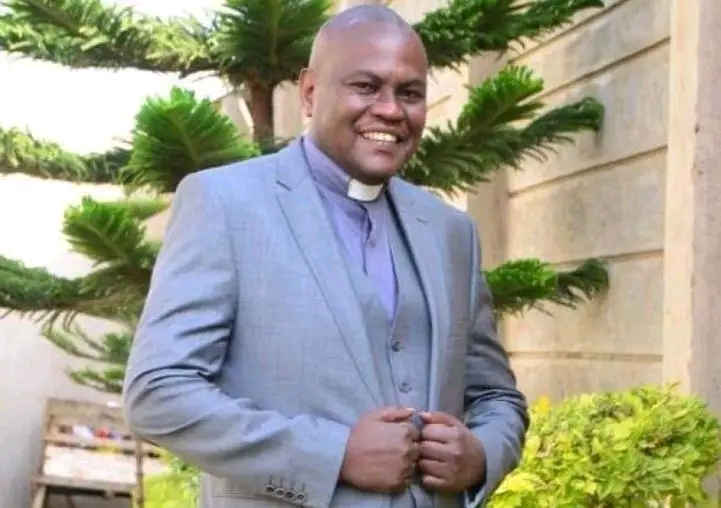
A 43-year-old Catholic priest was pronounced dead a few hours after he and his lover checked into a hotel.
A local media outlet, on Sunday, disclosed that the deceased, identified as Joseph Kariuki Wanjiku, from St. Peters Ruai, checked into the Monalisa Hotel Delview in Gatanga with his lover, a 32-year-old woman identified as, Ruth Nduhi on Saturday evening.
According to a police report, the lady informed the hotel management on Sunday morning that the clergy was experiencing dizziness and losing consciousness.
Concerned for his well-being, they decided to rush him to Kenol Hospital in Murang’a in his vehicle.
However, the unfortunate turn of events continued as Kariuki was pronounced dead upon arrival at the hospital.
The sudden demise has raised suspicions, leading authorities to launch an investigation into the circumstances surrounding his death.
“One Joseph Kariuki Wanjiku aged 43yrs old, a Catholic priest at Archdiocese of Nairobi and a farmer in the Mangu area checked in at the said hotel together with his girlfriend who also happens to be her colleague at the workplace in Ruai,”
“Then, this morning at around 0800hrs, the priest’s girlfriend notified the hotel management that the boyfriend was dizzy and getting unconscious so that they could rush him to the hospital. They then rushed him to Kenol Hospital where he was pronounced dead on arrival.
The body has been moved to Mater Hospital Mortuary, as police launch investigations to ascertain the cause of his death.
Ten people were murdered on Thursday when a tanker carrying Premium Motor Spirit (PMS) crashed at the Bauchi Road Junction in the Jos North Local Government Area of the Plateau.
This was revealed in a statement released on Thursday in Jos by DSP Alfred Alabo, the Plateau State Police Command’s public relations officer.
Alabo reported that the car lost control, overturned, and caught fire, igniting two tricycles and three other cars nearby.
“Angwan Rogo Divisional Police Officer and his team of investigators were ordered to proceed directly to the scene of the accident by the state’s commissioner of police, Bartholomew Onyeka.
“Upon arrival, it was found that ten unnamed individuals had been burned beyond recognition. Later, their dead remains were taken to Plateau Specialist Hospital in Jos.
The fire also “affected three other vehicles and two tricycles,” he added.
The Middle Belt Forum and Governor Samuel Ortom of Benue State have urged for postponing the 2023 census until Internally Displaced Persons (IPDs) in the region are relocated.
When the Middle Belt Forum’s leadership visited the state to express their condolences over the murder of more than 134 people in one week, Ortom made this call.
The Mgbam village in the Guma Local Government Area was the scene of the attacks. Herdsmen are accused of carrying out the attacks in the state’s Apa, Otukpo, and Guma regions.
The governor was comforted by the Middle Belt Forum’s leadership, who also took the opportunity to urge the National Population Commission to postpone the census’s start date from May 3, 2023.
Ortom claims that during the past six years, numerous lives have been lost as a result of these attacks on Benue communities.